Hyacinthoides × massartiana
Wild Hyacinth
Hyacinthoides non-scripta
(L.) Chouard ex Rothm. Species



- Botanical name
- Hyacinthoides non-scripta
- Also known as
- Bluebell, Harebell, Wild Hyacinth, Wood-Hyacinth
- Family
- Asparagaceae
- Genus
- Hyacinthoides
- Flowering period
- April to May
- Height
- 20–40 cm
- Spread
- 5–10 cm
- Hardiness
- Fully hardy (RHS H6)
- Reference
- World Flora Online
How to grow Wild Hyacinth
Dappled shade to partial shade
Moderate in spring; tolerates dry summer dormancy
Moist, humus-rich woodland soil that drains freely
Acid to neutral
Planting
Plant in the green in spring, or as bulbs in early autumn at about 10 cm deep, under deciduous trees and shrubs. The bulbs dry out badly in storage, so plant them the day they arrive. Buy only from suppliers who confirm cultivated British stock — wild bulbs are protected and much traded material is the Spanish species.
Pruning
None. Leave the foliage to die down completely; it looks messy for several weeks in early summer and that is unavoidable.
Propagation
Self-sows and increases by offsets, colonising slowly. Divide overcrowded clumps after flowering while still in leaf.
Pests and diseases
Generally trouble-free. Rust occasionally appears on the leaves late in the season.
Value to wildlife
A major spring nectar source for bumblebees, hoverflies and butterflies in woodland and shady gardens.
Notes
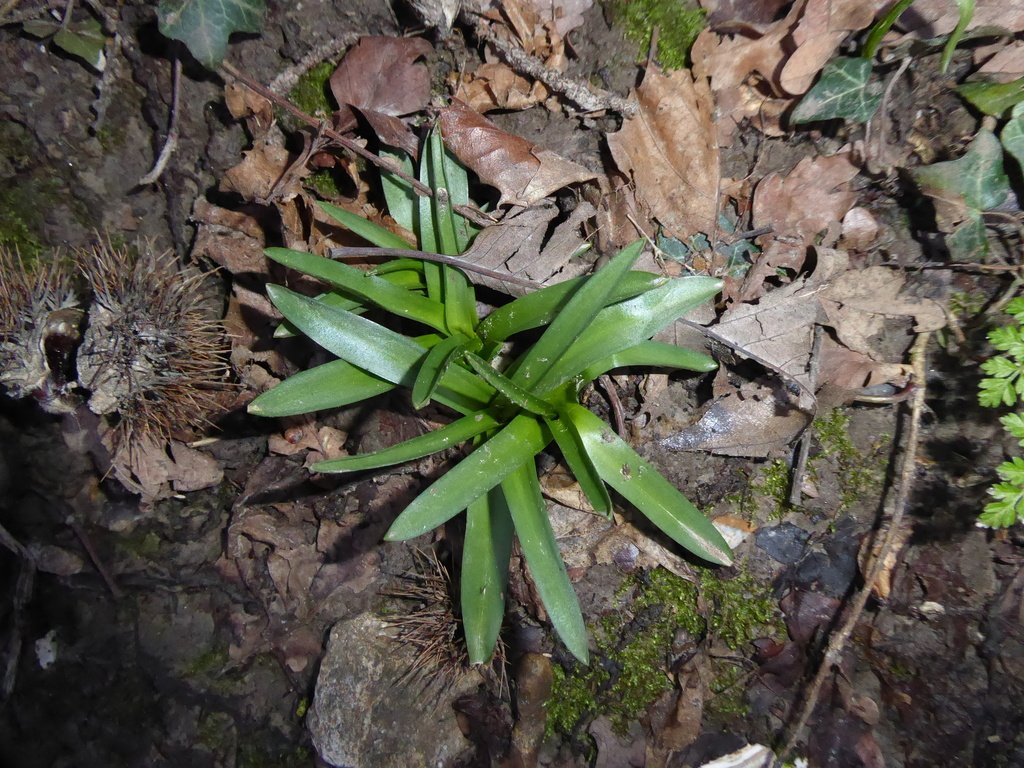
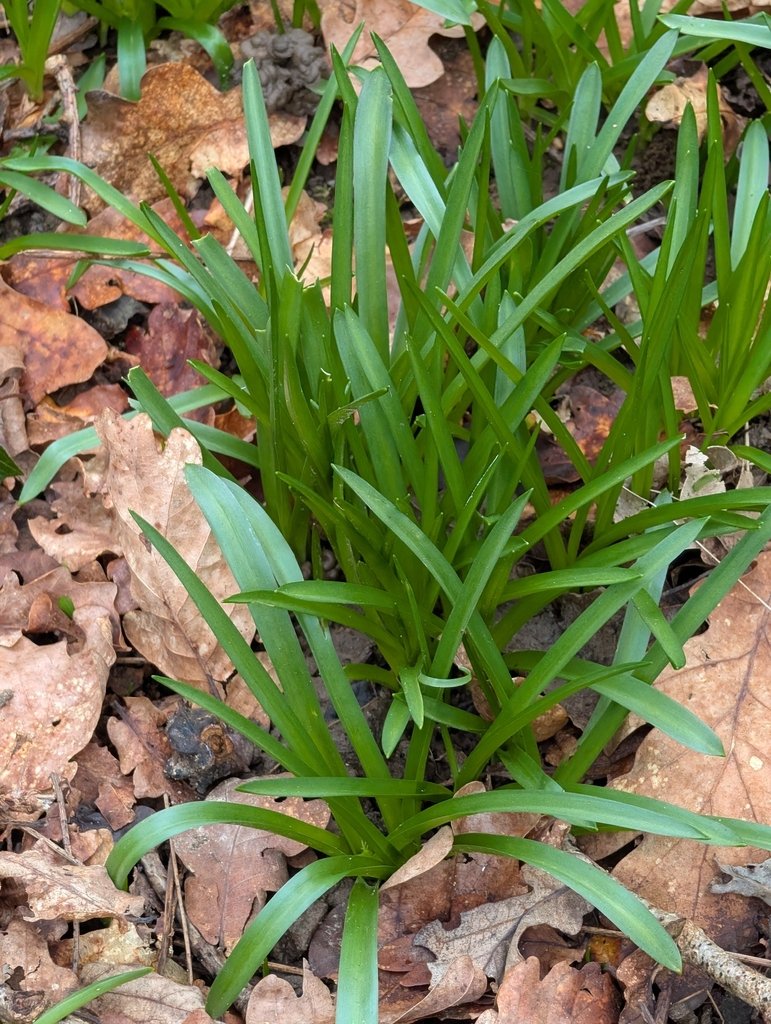
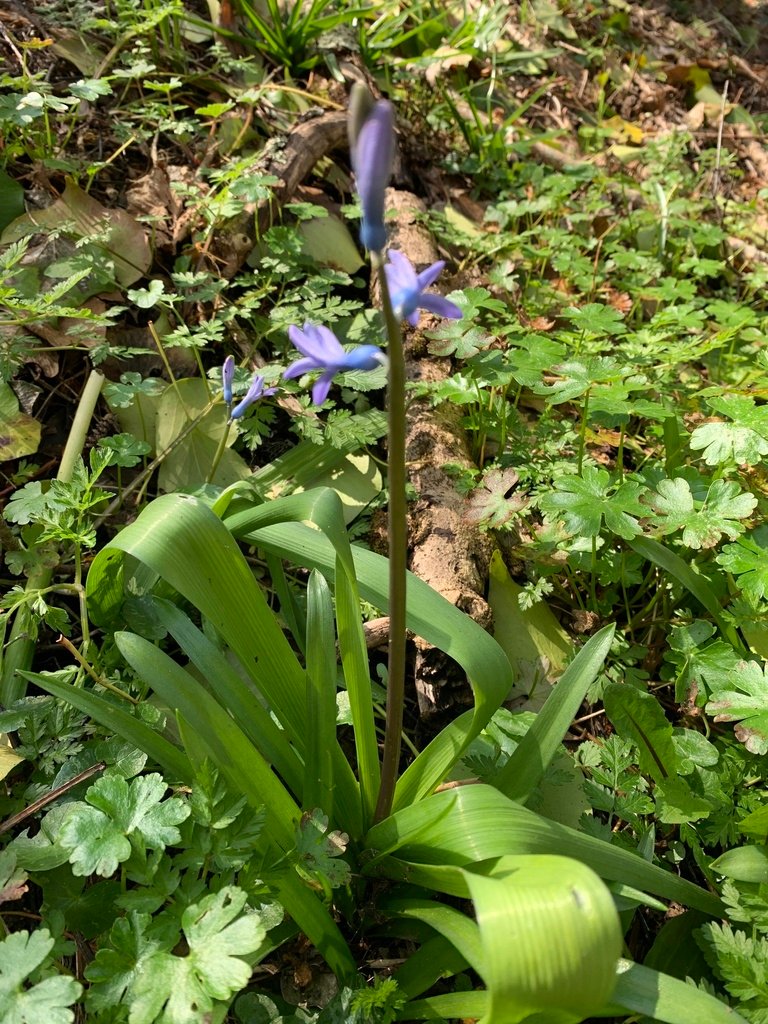
The native bluebell has narrow leaves, deep blue flowers hanging on one side of an arching stem, cream pollen and a strong scent. The Spanish bluebell and its hybrids are upright, broader-leaved, paler, blue-pollened and near-scentless, and they cross with the native readily — do not plant them near a native colony.
This guidance was researched and written by GardenDecoded — see our editorial policy for how guides are checked and reviewed.
Other names for this plant
These names have all been used for Hyacinthoides non-scripta but are no longer the accepted name. You may still meet them on old labels, in books, or in nursery catalogues.
Agraphis cernua
Agraphis nutans
Endymion cernuus
Endymion lacaillei
Endymion non-scriptus
Endymion nutans
Hyacinthoides non-scripta
Hyacinthoides non-scripta var. cernua
Hyacinthus campanulatus
Hyacinthus cernuus
Hyacinthus non-scriptus
Hyacinthus nutans
Hyacinthus pratensis
Hylomenes non-scripta
Lagocodes belgica
Lagocodes cernua
Lagocodes nutans
Scilla cernua
Scilla festalis
Scilla non-scripta subsp. cernua
Scilla nonscripta
Scilla nutans
Syncodium nutans
Usteria hyacinthiflora
Usteria non-scripta
Usteria secunda
Others in Hyacinthoides
GardenDecoded is an educational gardening reference. Botanical data comes from World Flora Online and GBIF; growing guidance is our own. Always check a plant's toxicity and local invasiveness status before planting, and never eat or apply a plant based on this site alone.