Humulus cordifolius
Common Hop
Humulus lupulus
L. Species
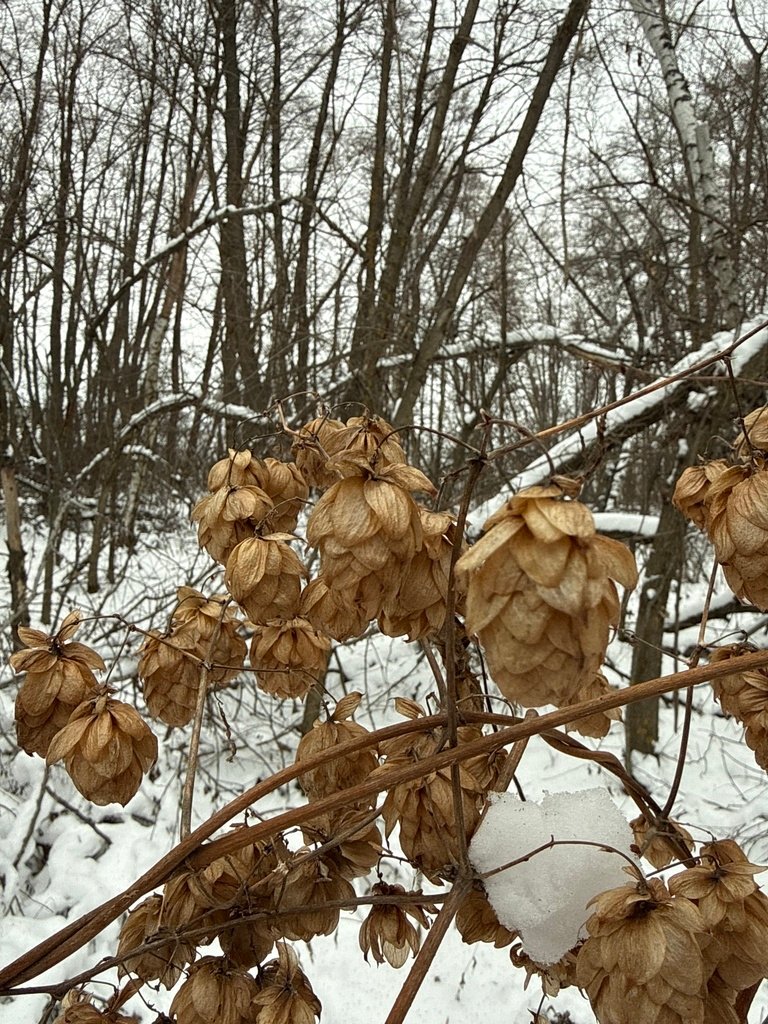
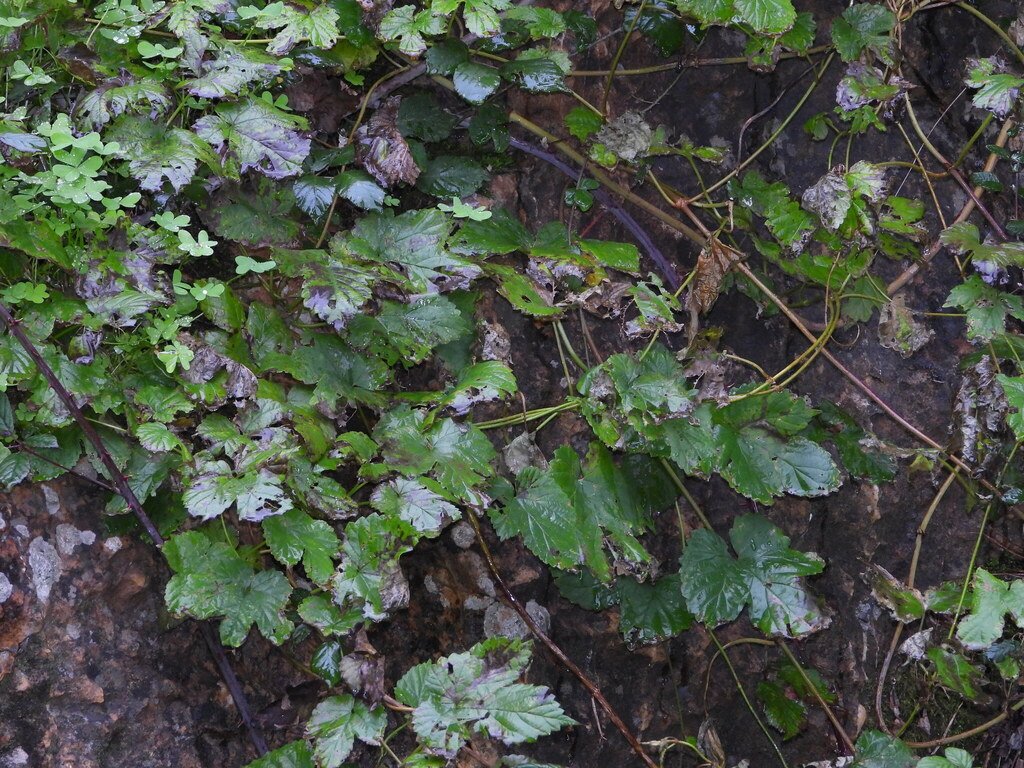
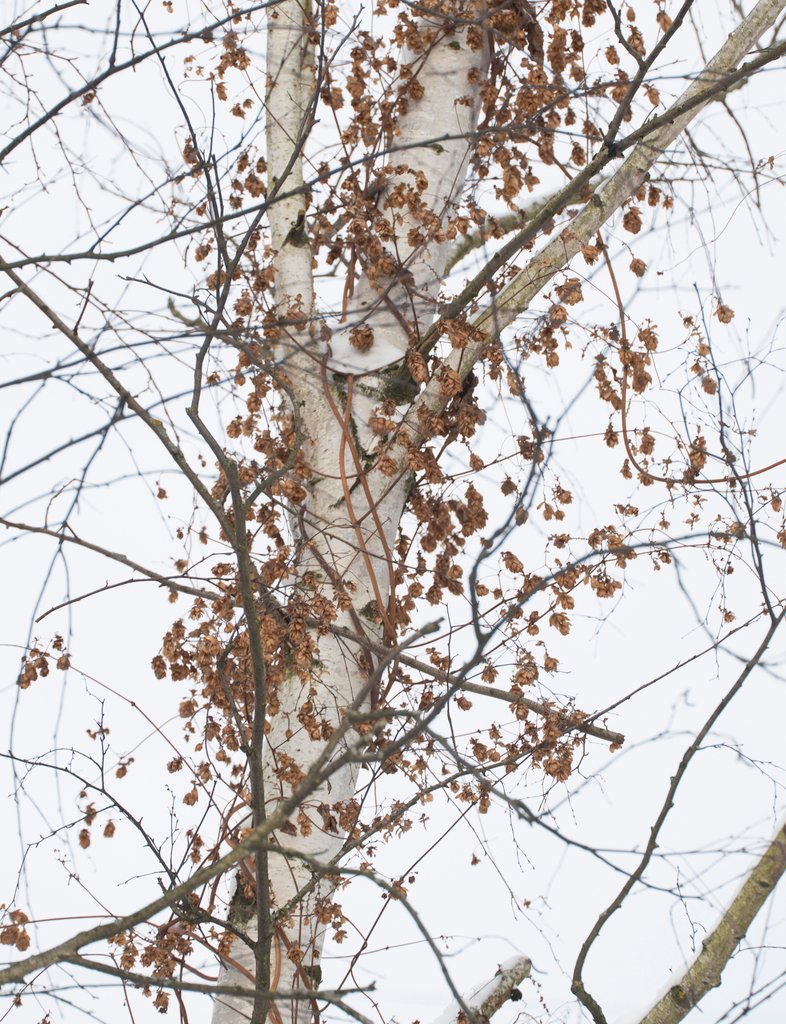

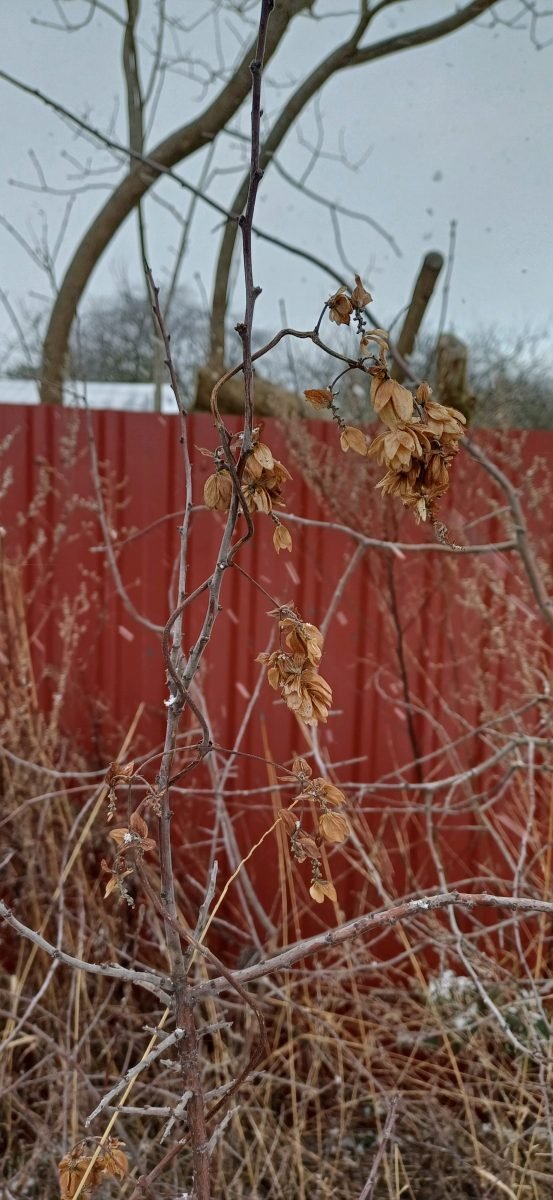
- Botanical name
- Humulus lupulus
- Also known as
- Bine, Common Hop, Common Hops, Hop, Hops
- Family
- Cannabaceae
- Genus
- Humulus
- Flowering period
- July to August
- Height
- 4–7 m
- Spread
- 100–200 cm
- Hardiness
- Fully hardy (RHS H6)
- Reference
- World Flora Online
How to grow Common Hop
Full sun to partial shade
Moderate; keep evenly moist in summer, it is a thirsty plant
Deep, fertile, well-drained soil enriched with organic matter
Neutral to slightly alkaline
Planting
Plant dormant crowns in early spring into ground dug through with compost, and give each plant strings or wires running up to 5 m or more. The top growth dies back to the ground every winter and regrows to full height in a single season, so the support must be in place before growth starts in April.
Pruning
Cut all the old bines to the ground in late autumn or winter and clear them away. In spring, thin the emerging shoots to the three or four strongest per string and twist them clockwise around the support to get them started.
Propagation
Divide the crown in early spring, or take basal cuttings from young shoots. Only female plants produce the cones used in brewing, so buy a named female plant rather than growing from seed.
Pests and diseases
Aphids build up quickly on soft young bines, and downy and powdery mildew are common in humid seasons — good air movement and generous spacing help more than anything else. Red spider mite can be a problem in hot dry summers.
Value to wildlife
The dense summer growth provides cover for nesting birds and invertebrates, and hop is a larval food plant for the comma butterfly.
Notes
The bines are covered in small hooked bristles that cause scratchy skin irritation — wear long sleeves and gloves when training or clearing them. The golden-leaved form is the usual choice for ornamental gardens; it is less vigorous and colours best in sun.
This guidance was researched and written by GardenDecoded — see our editorial policy for how guides are checked and reviewed.
Other names for this plant
These names have all been used for Humulus lupulus but are no longer the accepted name. You may still meet them on old labels, in books, or in nursery catalogues.
Humulus lupulus var. acrocarpus
Humulus lupulus var. effusus
Humulus lupulus var. fengxianensis
Humulus lupulus var. lupulus
Humulus lupulus var. silvestris
Humulus lupulus var. spaltensis
Humulus volubilis
Humulus vulgaris
Lupulus amarus
Lupulus communis
Lupulus humulus
Lupulus scandens
Waldensia lupulina
Others in Humulus
GardenDecoded is an educational gardening reference. Botanical data comes from World Flora Online and GBIF; growing guidance is our own. Always check a plant's toxicity and local invasiveness status before planting, and never eat or apply a plant based on this site alone.