Hosta kikutii
Siebold's plantain lily
Hosta sieboldiana
(Hook.) Engl. Species
- Botanical name
- Hosta sieboldiana
- Family
- Asparagaceae
- Genus
- Hosta
- Flowering period
- June to July
- Height
- 60–90 cm
- Spread
- 90–120 cm
- Hardiness
- Fully hardy (RHS H7)
- Reference
- World Flora Online
How to grow Siebold's plantain lily
Partial to full shade
Generous; keep the soil consistently moist through summer
Deep, fertile, moisture-retentive but not stagnant
Neutral to slightly acid
Planting
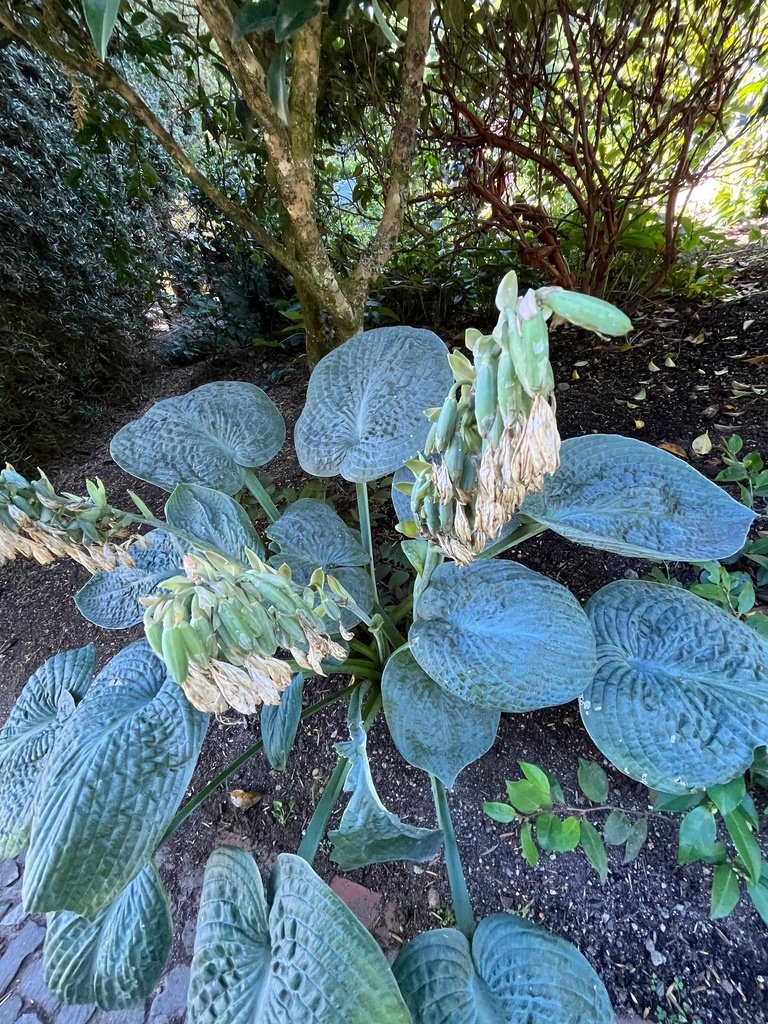
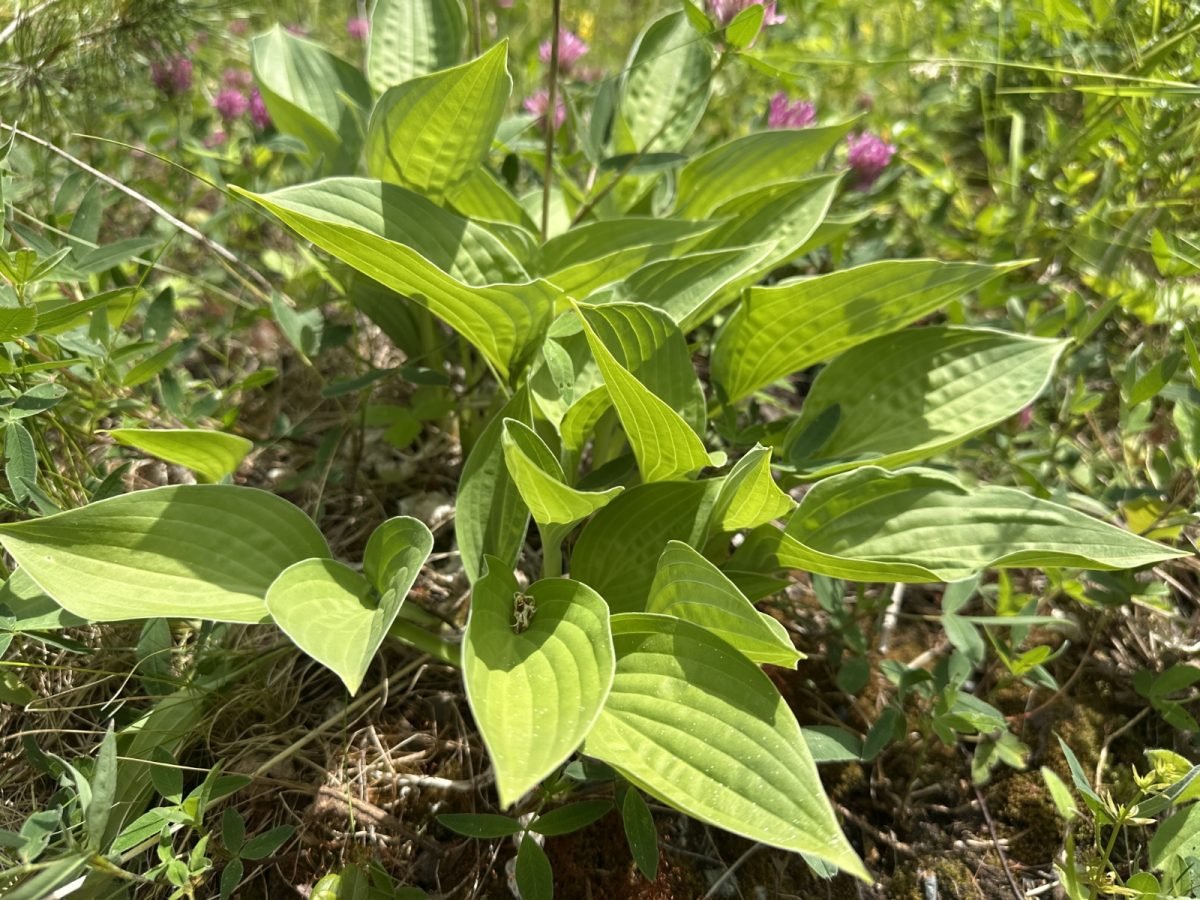
Plant in spring as the buds break, or in autumn, in ground improved with plenty of compost or leaf mould. Give it room from the start; a mature clump is far wider than a young plant suggests. It is grown for the heavily puckered blue-green leaves, so put it where the foliage will be seen against something darker.
Pruning
No pruning as such. Cut the flower stems out after flowering if you dislike them, and clear the collapsed yellow foliage in late autumn, which also removes slug shelter.
Propagation
Divide in early spring just as the shoots appear, cutting the crown through with a spade or knife. Each piece needs at least one growing point and some root.
Pests and diseases
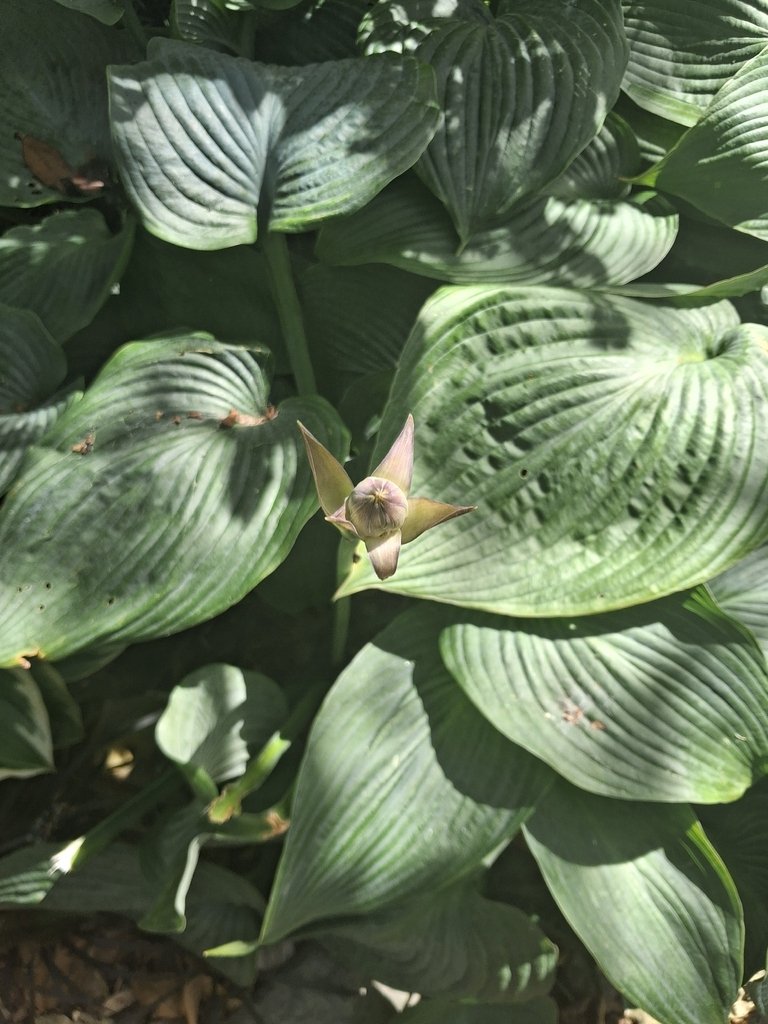
Slugs and snails are the main issue and can shred the leaves before they fully unfurl in spring. Protect from the moment the shoots emerge rather than after damage shows; the leaves do not recover and stay holed all season.
Value to wildlife
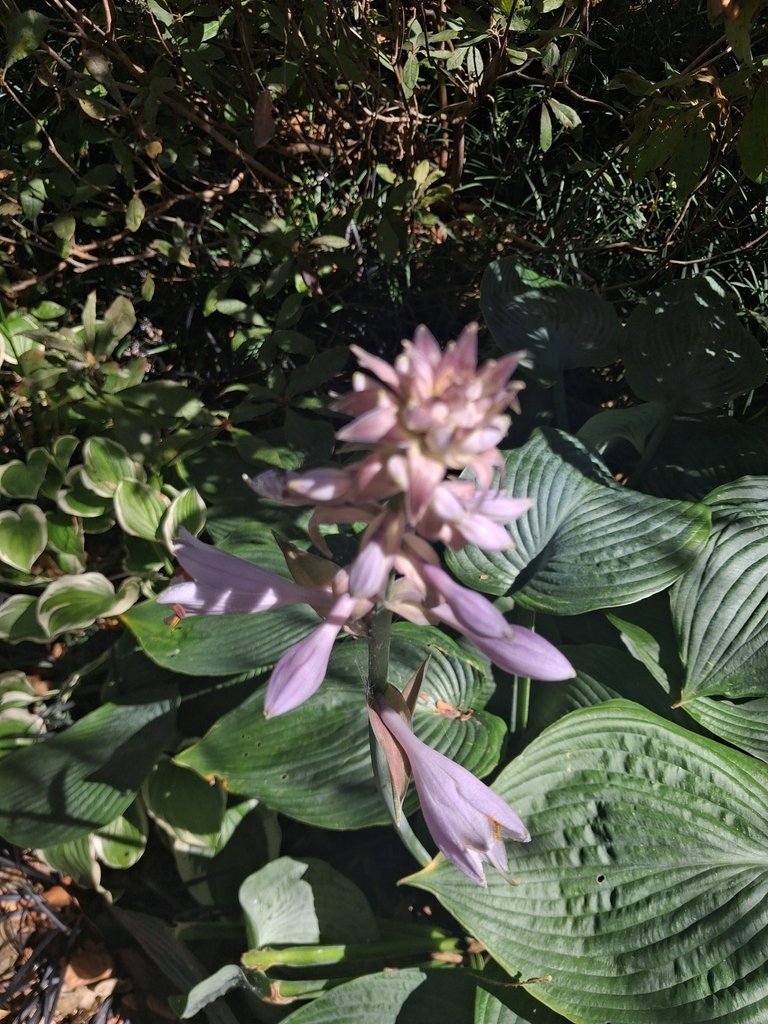
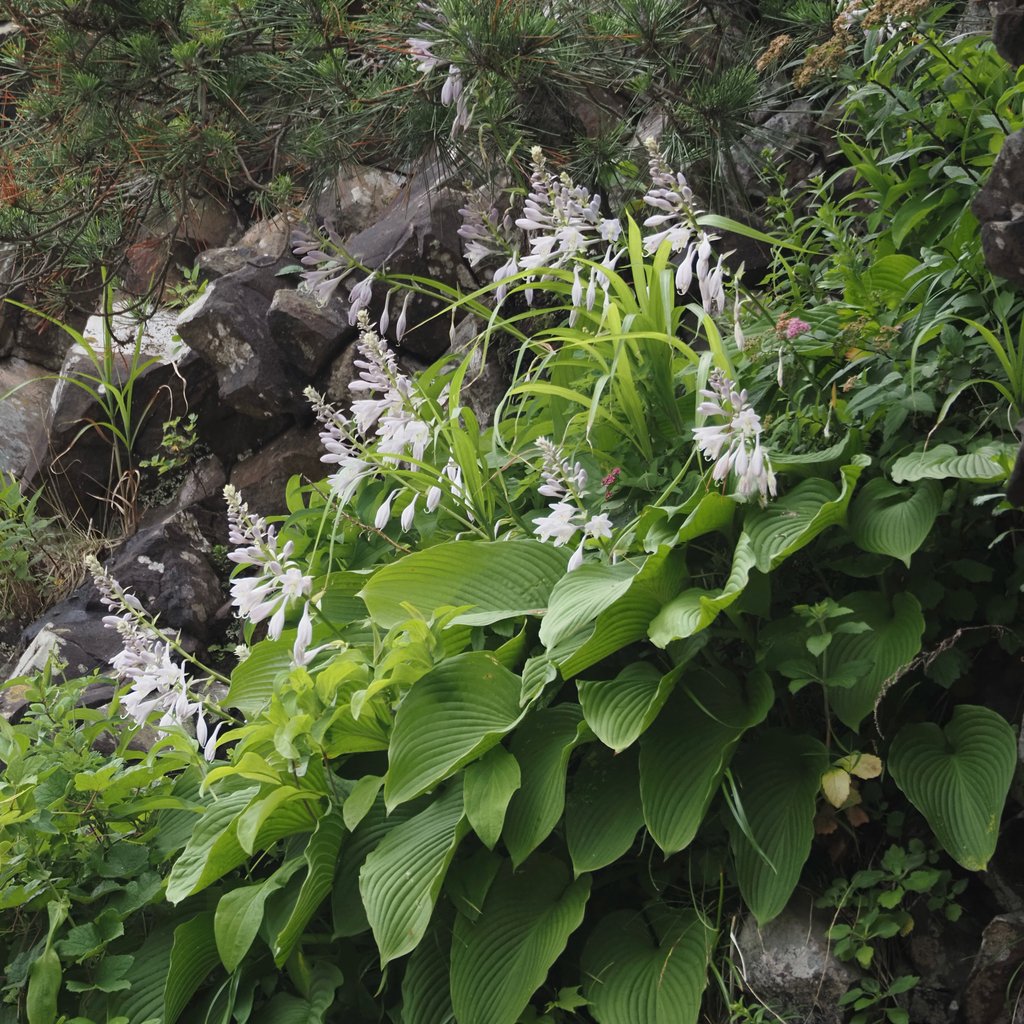
The pale lilac-white flowers are visited by bumblebees, and the dense foliage gives cover to frogs and beetles in a damp shady border.
Notes
The thick, waxy leaves stand slug damage rather better than thin-leaved hostas, but they scorch in direct afternoon sun and in dry soil. Container plants need watering far more often than you would expect.
This guidance was researched and written by GardenDecoded — see our editorial policy for how guides are checked and reviewed.
Other names for this plant
These names have all been used for Hosta sieboldiana but are no longer the accepted name. You may still meet them on old labels, in books, or in nursery catalogues.
Funkia cucullata
Funkia glauca var. cucullata
Funkia latifolia var. sinensis
Funkia ovata f. latifolia
Funkia ovata f. marginata
Funkia ovata var. albomarginata
Funkia ovata var. albopicta
Funkia sieboldiana
Funkia sieboldiana var. bracteata
Funkia sieboldiana var. condensata
Funkia sieboldiana var. marginata
Funkia sieboldii
Funkia sinensis
Funkia umbellata
Hosta aoki
Hosta aurea
Hosta caerulea f. albomarginata
Hosta caerulea f. latifolia
Hosta cucullata var. gigantea
Hosta fluctuans f. parvifolia
Hosta fortunei f. aurea
Hosta fortunei f. marginata
Hosta fortunei f. viridis
Hosta fortunei var. albopicta
Hosta fortunei var. gigantea
Hosta fortunei var. hyacinthina
Hosta fortunei var. marginatoalba
Hosta fortunei var. robusta
Hosta fortunei var. rugosa
Hosta fortunei var. stenantha
Hosta japonica var. aurea
Hosta lancifolia f. aureomarginata
Hosta lancifolia var. aurea
Hosta latifolia var. albomarginata
Hosta latifolia var. aureomaculata
Hosta sieboldiana f. fortunei
Hosta sieboldiana var. amplissima
Hosta sieboldiana var. aureomarginata
Hosta sieboldiana var. elegans
Hosta sieboldiana var. fortunei
Hosta sieboldiana var. gigantea
Hosta sieboldiana var. glauca
Hosta sieboldiana var. hypophylla
Hosta sieboldiana var. mira
Hosta tokudama f. aureonebulosa
Hosta tokudama f. flavocircinalis
Hosta tokudama f. flavoplanata
Hosta tokudama f. mediopicta
Niobe sieboldiana
Saussurea sieboldiana
Saussurea sieboldiana
Others in Hosta
GardenDecoded is an educational gardening reference. Botanical data comes from World Flora Online and GBIF; growing guidance is our own. Always check a plant's toxicity and local invasiveness status before planting, and never eat or apply a plant based on this site alone.