Hibiscus × sabei
Common Hibiscus
Hibiscus syriacus
L. Species
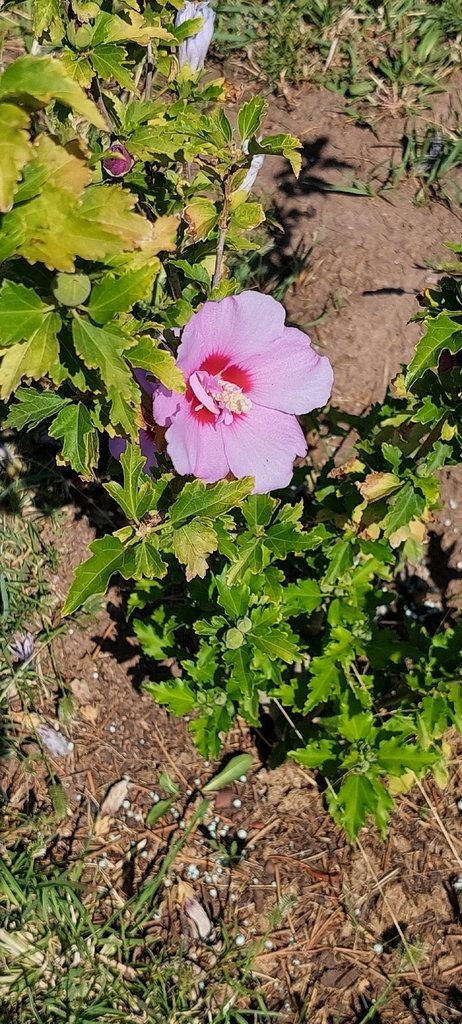
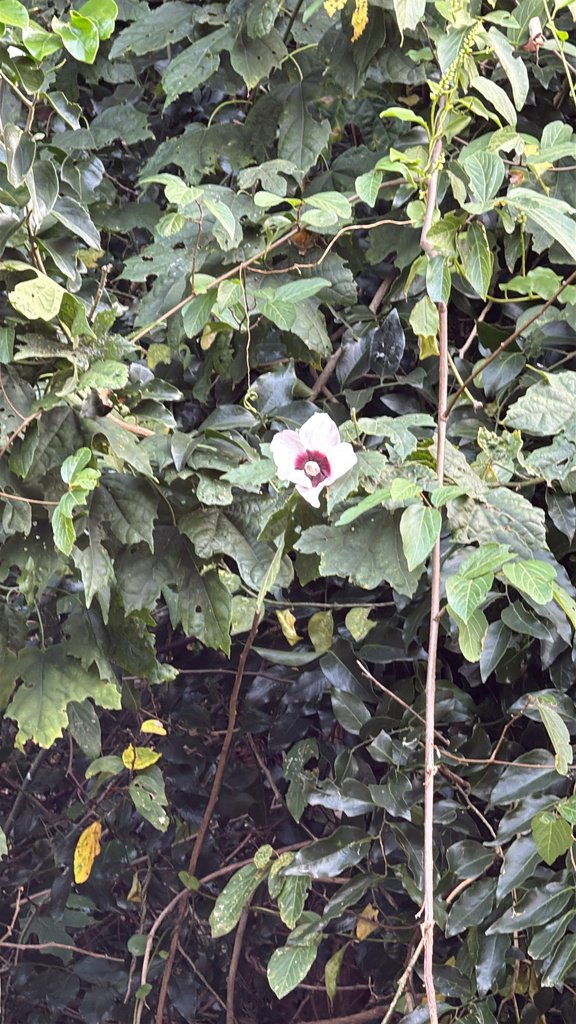
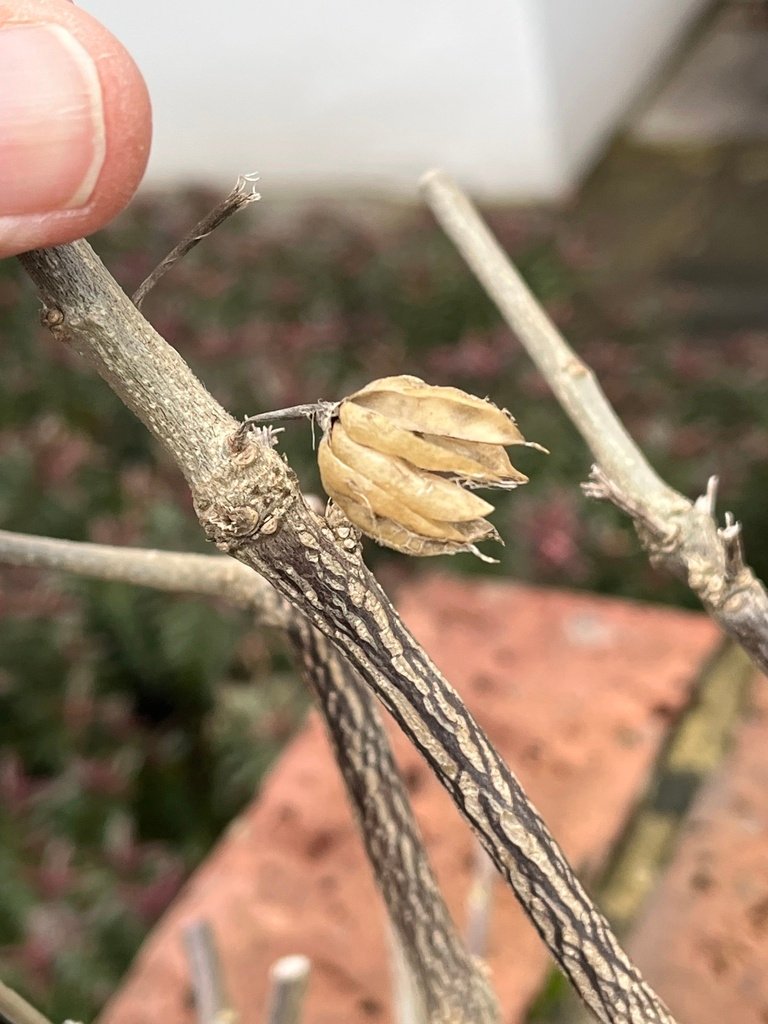
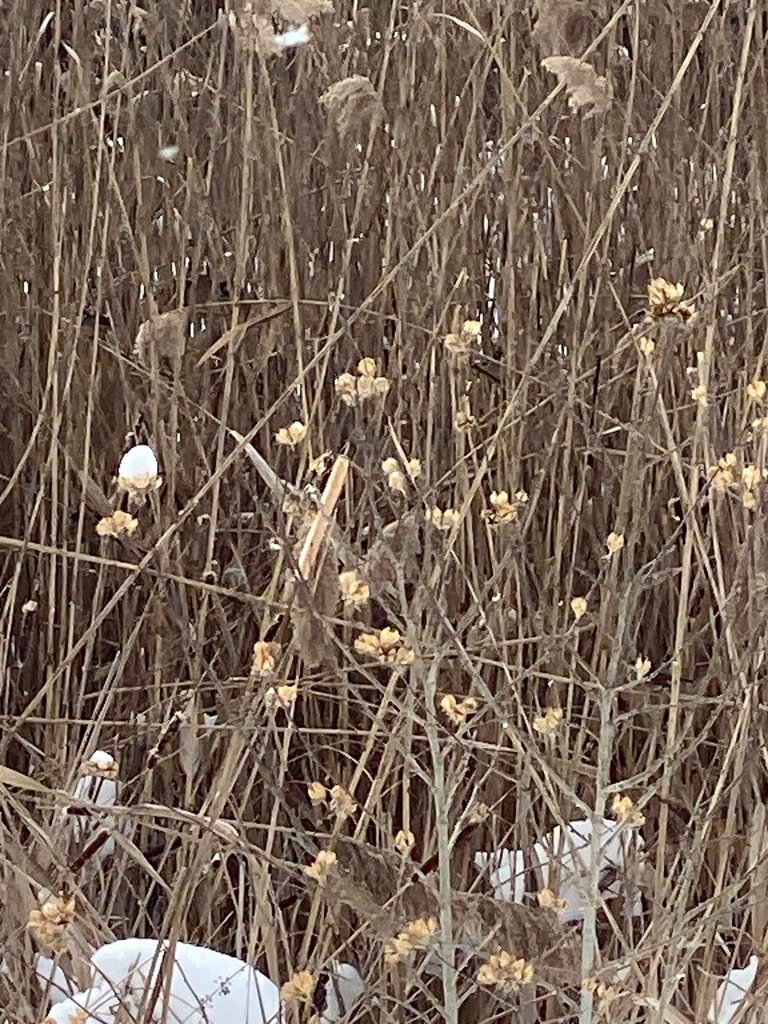
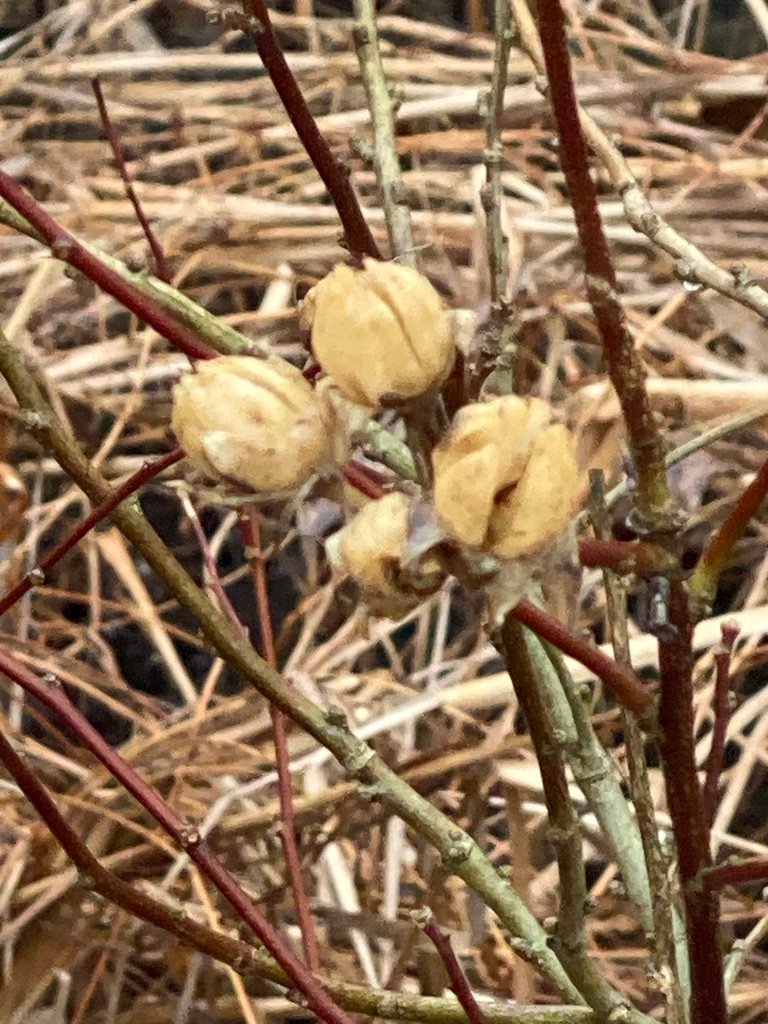
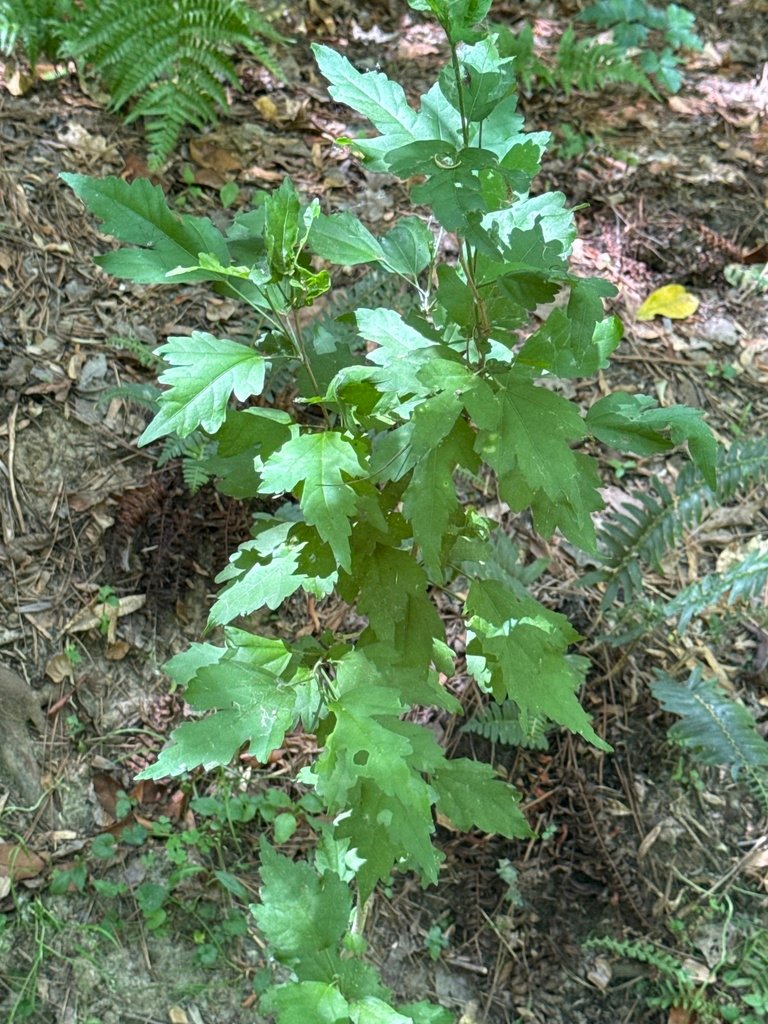
- Botanical name
- Hibiscus syriacus
- Also known as
- Althea, Common Hibiscus, Korean Hibiscus, Rose of Sharon, Rose-of-Sharon, Shrub Althea, Shrub-Althaea, Syrian Hibiscus, Syrian Ketmia
- Family
- Malvaceae
- Genus
- Hibiscus
- Flowering period
- August to September
- Height
- 2–3 m
- Spread
- 150–200 cm
- Hardiness
- Fully hardy (RHS H5)
- Reference
- World Flora Online
How to grow Common Hibiscus
Full sun
Moderate; water well in dry spells while flower buds are forming
Fertile, well-drained
Neutral to slightly alkaline
Planting
Give it the warmest, sunniest spot you have — against a south or west wall is ideal. In a cool or shaded position it will grow but flower sparsely, and in a bad summer may barely open at all.
Pruning
Prune in early spring, cutting the previous year's shoots back to two or three buds. It flowers on the current season's growth, so spring pruning does not cost you blooms.
Propagation
Semi-ripe cuttings in summer under cover. Named forms will not come true from seed.
Pests and diseases
Aphids cluster on soft new shoots. Sudden leaf yellowing and drop is more often waterlogging or drought stress than disease.
Value to wildlife
Bees work the open flowers readily, and the large single-flowered forms are more use to them than the doubles.
Notes
It comes into leaf very late — often not until May. Do not write off a bare plant in April and dig it up; scratch the bark and check for green first.
This guidance was researched and written by GardenDecoded — see our editorial policy for how guides are checked and reviewed.
Other names for this plant
These names have all been used for Hibiscus syriacus but are no longer the accepted name. You may still meet them on old labels, in books, or in nursery catalogues.
Althaea frutex
Hibiscus acerifolius
Hibiscus arborescens
Hibiscus chinensis
Hibiscus floridus
Hibiscus rhombifolius
Hibiscus syriacus var. alboplenus
Hibiscus syriacus var. albus
Hibiscus syriacus var. amplissimus
Hibiscus syriacus var. brevibracteatus
Hibiscus syriacus var. chinensis
Hibiscus syriacus var. elegantissimus
Hibiscus syriacus var. grandiflorus
Hibiscus syriacus var. longibracteatus
Hibiscus syriacus var. marginatus
Hibiscus syriacus var. micranthus
Hibiscus syriacus var. paeoniiflorus
Hibiscus syriacus var. purpureoplenus
Hibiscus syriacus var. purpureus
Hibiscus syriacus var. ruber
Hibiscus syriacus var. sinensis
Hibiscus syriacus var. syriacus
Hibiscus syriacus var. totoalbus
Hibiscus syriacus var. variegatus
Hibiscus syriacus var. violaceus
Ketmia arborea
Ketmia syriaca
Ketmia syrorum
Others in Hibiscus
GardenDecoded is an educational gardening reference. Botanical data comes from World Flora Online and GBIF; growing guidance is our own. Always check a plant's toxicity and local invasiveness status before planting, and never eat or apply a plant based on this site alone.