Gleditsia caspia
Common Honeylocust
Gleditsia triacanthos
L. Species
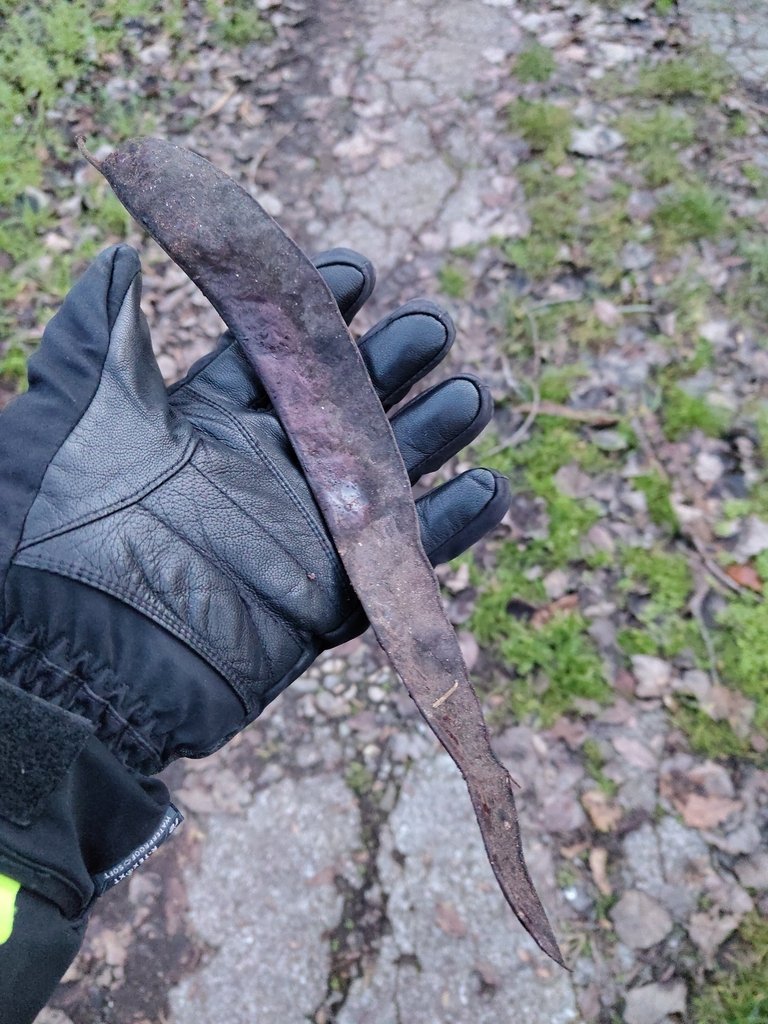
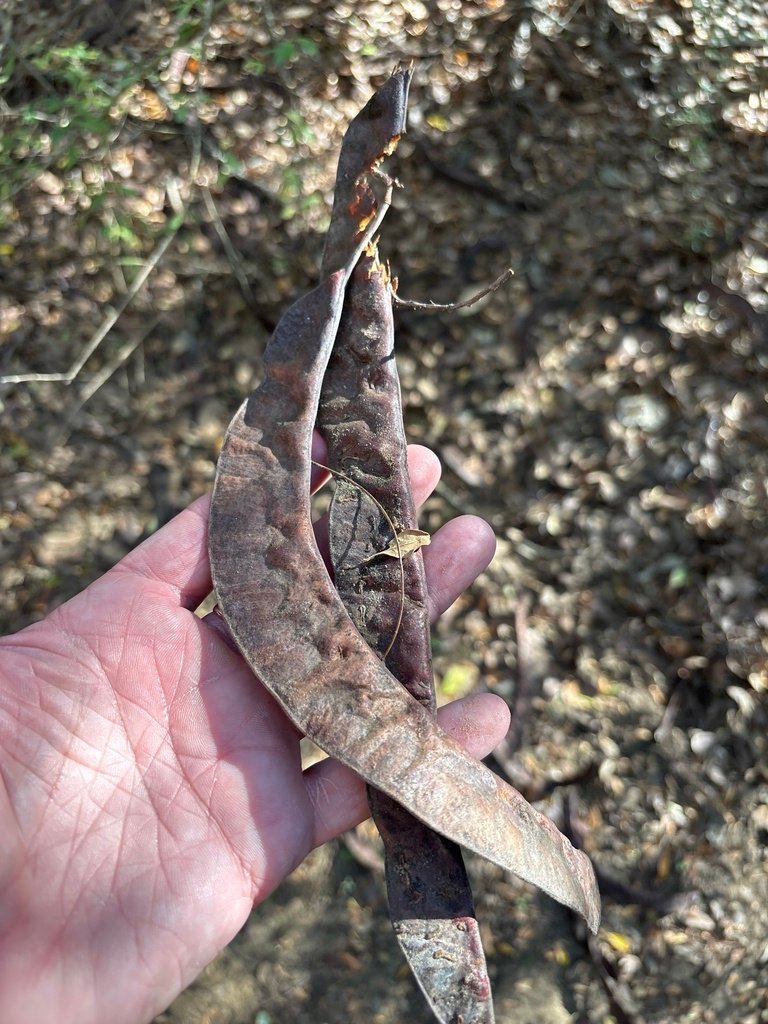
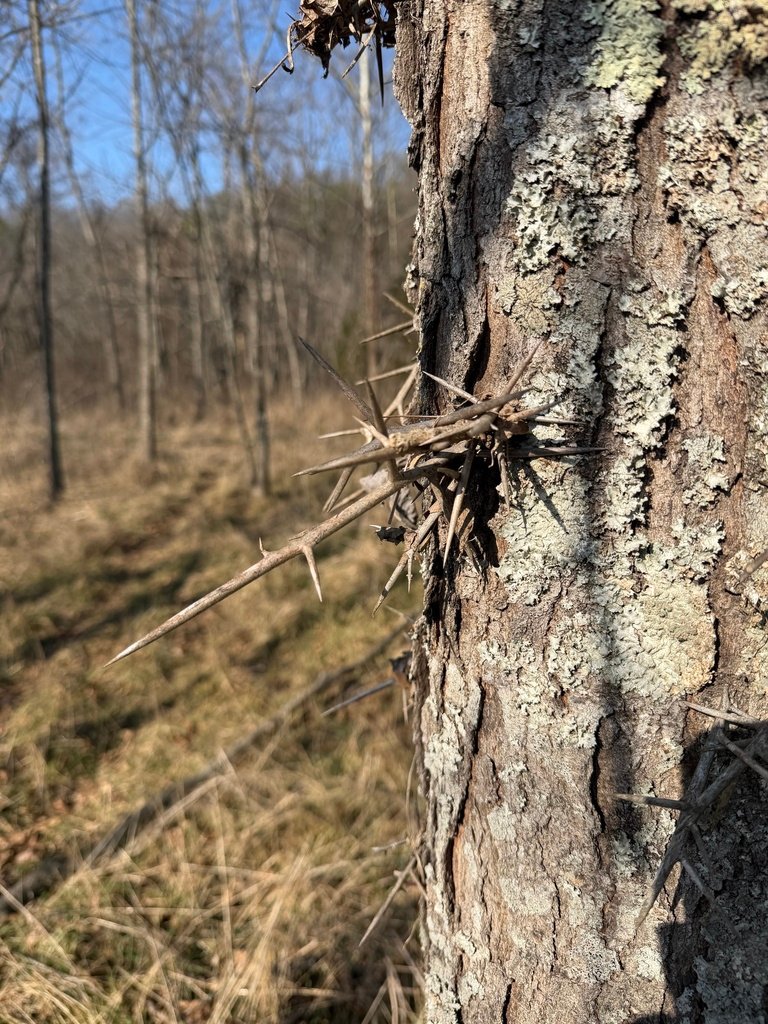
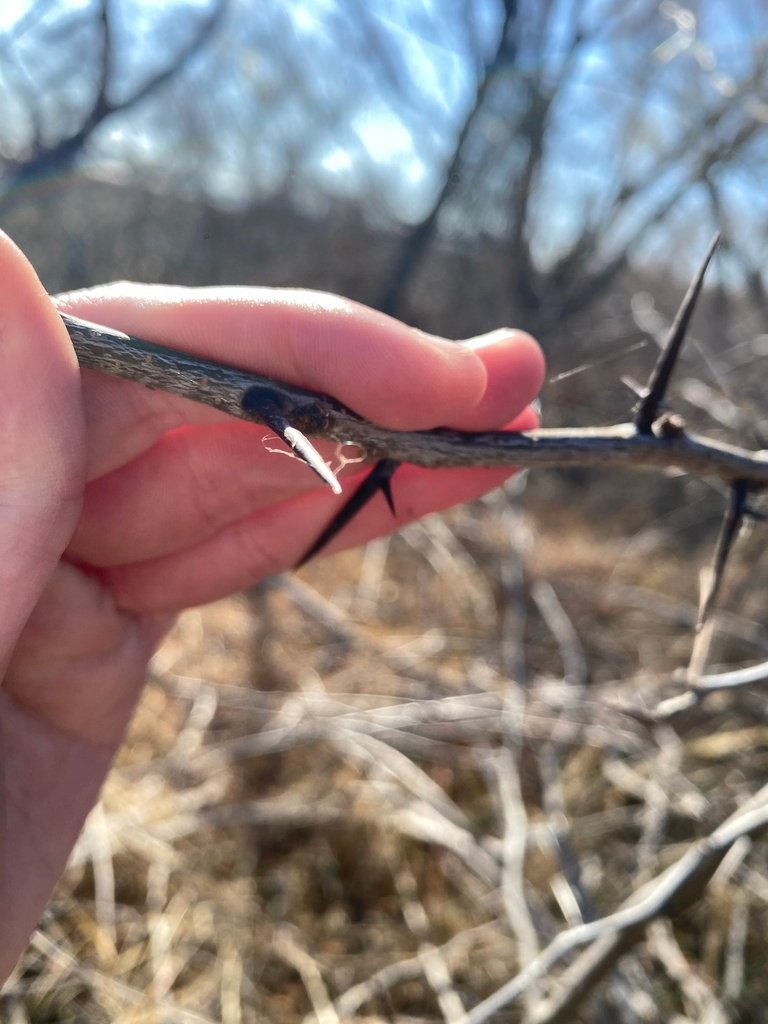
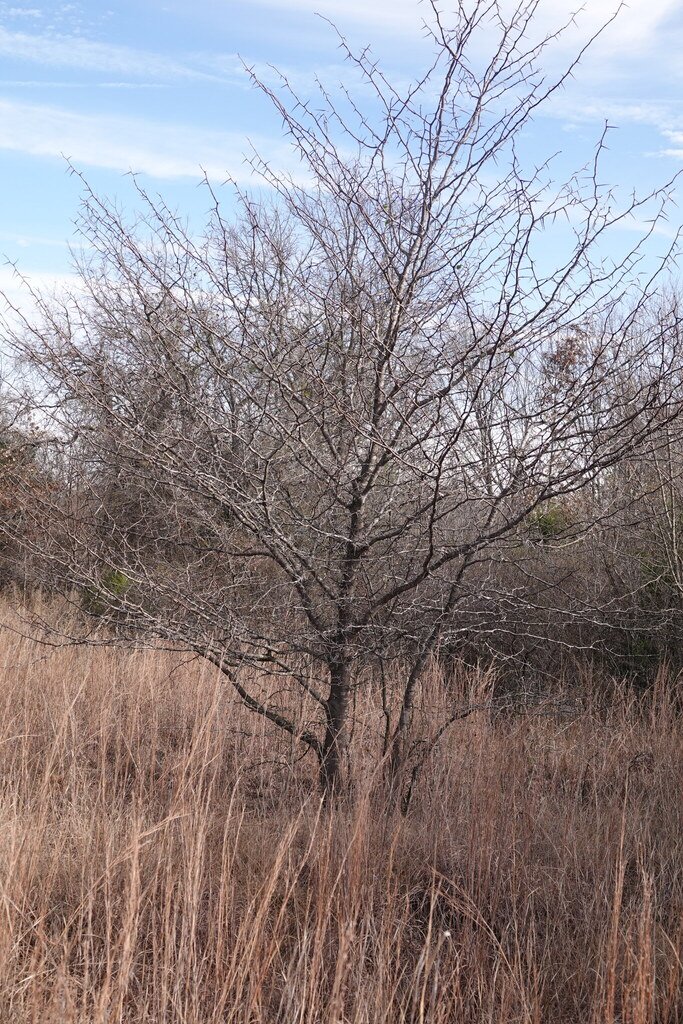

- Botanical name
- Gleditsia triacanthos
- Also known as
- Common Honey-Locust, Common Honeylocust, Honey Locust, Honey-Chuck, Honey-Locust, Honeylocust, Sweet Locust, Sweet-Bean, Sweet-Locust, Thorny Common Honeylocust, Thorny Locust, Three-Thorn-Acacia, Three-Thorned Acacia
- Family
- Fabaceae
- Genus
- Gleditsia
- Flowering period
- May
- Height
- 12–20 m
- Spread
- 8–15 m
- Hardiness
- Fully hardy (RHS H6)
- Reference
- World Flora Online
How to grow Common Honeylocust
Full sun
Low; drought tolerant once established
Well-drained; tolerates poor, dry and compacted soils
Acid, neutral or alkaline
Planting
Plant in spring in a sunny, sheltered spot. It is tolerant of urban pollution, drought and poor soil, and its light ferny canopy casts only dappled shade, so planting can continue underneath it.
Pruning
Prune in late summer or autumn to remove crossing or damaged branches. The wild species is armed with substantial branched spines on the trunk and limbs; thornless garden forms are the ones normally sold.
Propagation
Seed germinates after scarification and soaking, though named cultivars are grafted.
Pests and diseases
Generally healthy in the UK. Late frosts can damage the young growth on trees coming into leaf.
Value to wildlife
Little value to UK wildlife, being a North American species with no native associates here.
Notes
Leafs out late and drops early, and the small leaflets are fine enough that they largely disappear into a lawn rather than needing raking. The golden-leaved forms are the most commonly planted in gardens and hold their colour best in full sun.
Some structured details on this page (such as tolerances, pH and hardiness) come from USDA PLANTS Database (public domain). The written guidance is GardenDecoded's own, researched as described in our editorial policy.
Other names for this plant
These names have all been used for Gleditsia triacanthos but are no longer the accepted name. You may still meet them on old labels, in books, or in nursery catalogues.
Acacia americana
Acacia inermis
Acacia laevis
Acacia triacanthos
Acacia villaregalis
Caesalpiniodes heterophylla
Caesalpiniodes triacanthum
Gleditschia triacanthos
Gleditsia brachycarpa
Gleditsia brachycarpos
Gleditsia bujotii
Gleditsia bujotii unranked pendula
Gleditsia bujotii var. pendula
Gleditsia elegans
Gleditsia excelsa-pendula
Gleditsia ferox
Gleditsia ferox var. nana
Gleditsia flava
Gleditsia heterophylla
Gleditsia horrida
Gleditsia inermis var. elegantissima
Gleditsia inermis var. elegantissima
Gleditsia laevis
Gleditsia latifolia
Gleditsia latisiliqua
Gleditsia latisilique
Gleditsia meliloba
Gleditsia micracantha
Gleditsia micracantha
Gleditsia micracantha
Gleditsia mimosifolia
Gleditsia mimosifolia var. pendula
Gleditsia pendula
Gleditsia polysperma
Gleditsia sinensis var. nana
Gleditsia sinensis var. nana
Gleditsia spinosa
Gleditsia triacanthos f. brachycarpos
Gleditsia triacanthos f. elegantissima
Gleditsia triacanthos f. inermis
Gleditsia triacanthos f. nana
Gleditsia triacanthos f. pendula
Gleditsia triacanthos var. brachycarpos
Gleditsia triacanthos var. bujotii
Gleditsia triacanthos var. ferox
Gleditsia triacanthos var. horrida
Gleditsia triacanthos var. inermis
Gleditsia triacanthos var. inermis
Gleditsia triacanthos var. inermis
Gleditsia triacanthos var. laevis
Gleditsia triacanthos var. macrocarpos
Gleditsia triacanthos var. nana
Gleditsia triacanthos var. pendula
Gleditsia triacanthos var. polysperma
Gleditsia triacanthus
Melilobus heterophyla
Vachellia villaregalis
Others in Gleditsia
GardenDecoded is an educational gardening reference. Botanical data comes from World Flora Online and GBIF; growing guidance is our own. Always check a plant's toxicity and local invasiveness status before planting, and never eat or apply a plant based on this site alone.