Gladiolus × dubius
Eastern Gladiolus
Gladiolus communis
L. Species
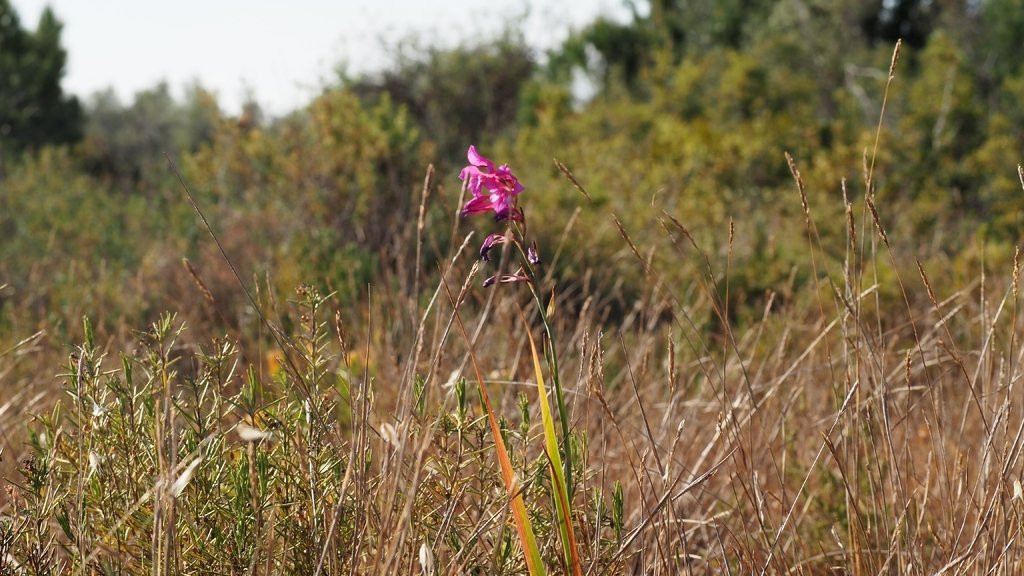
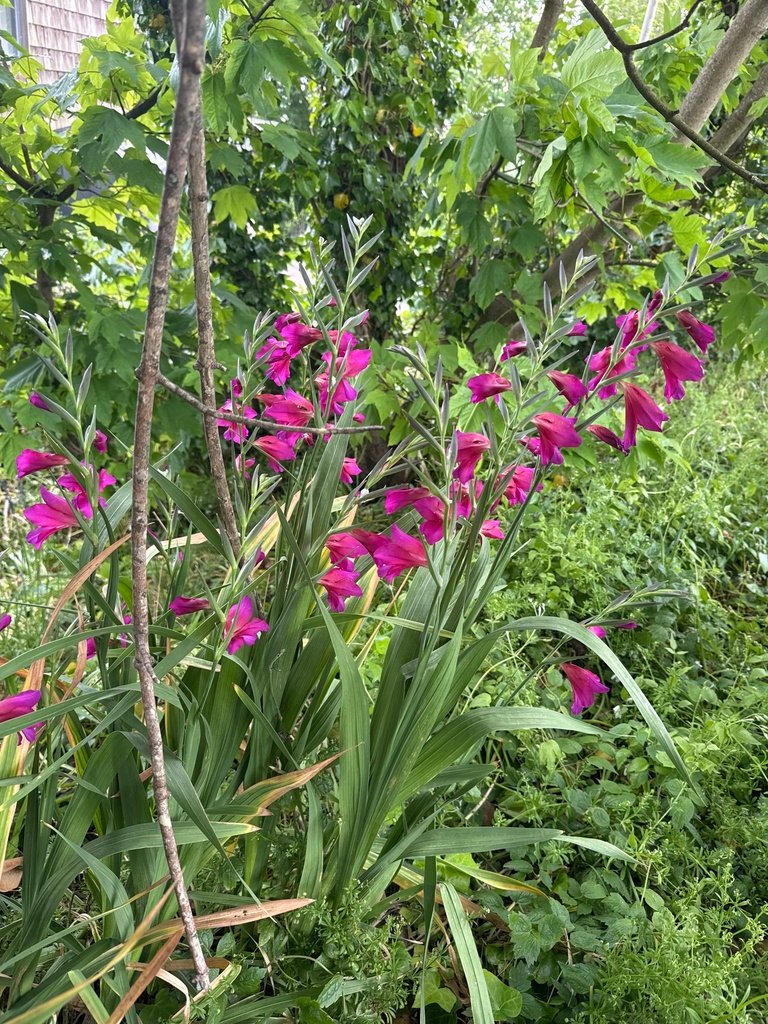

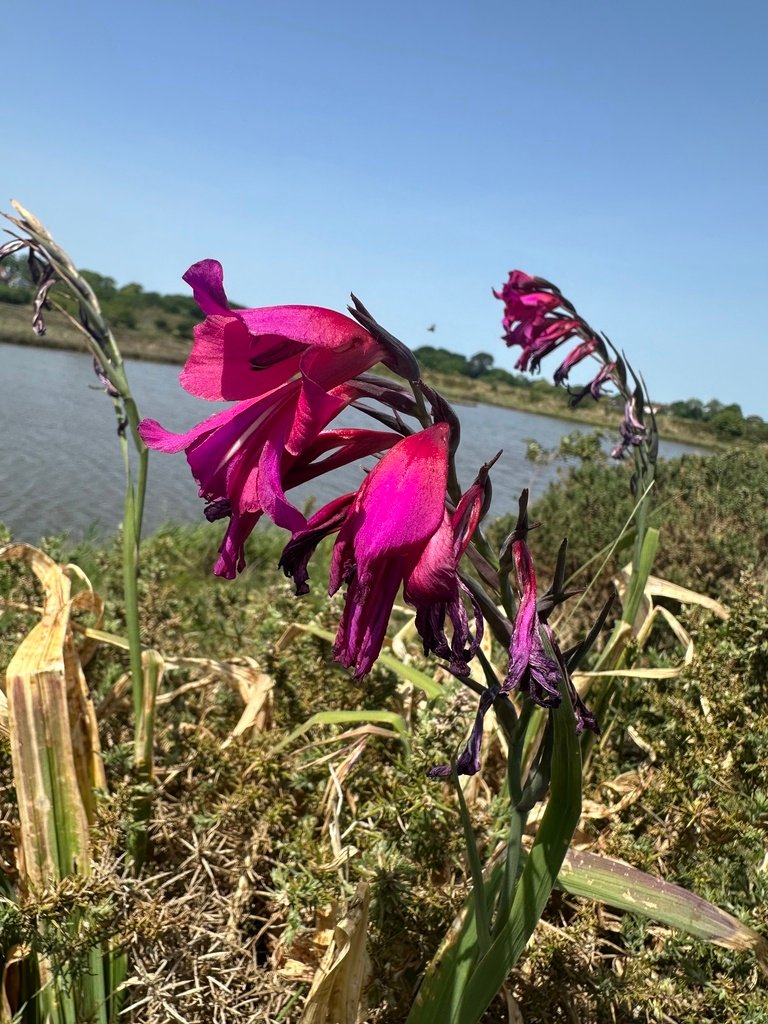
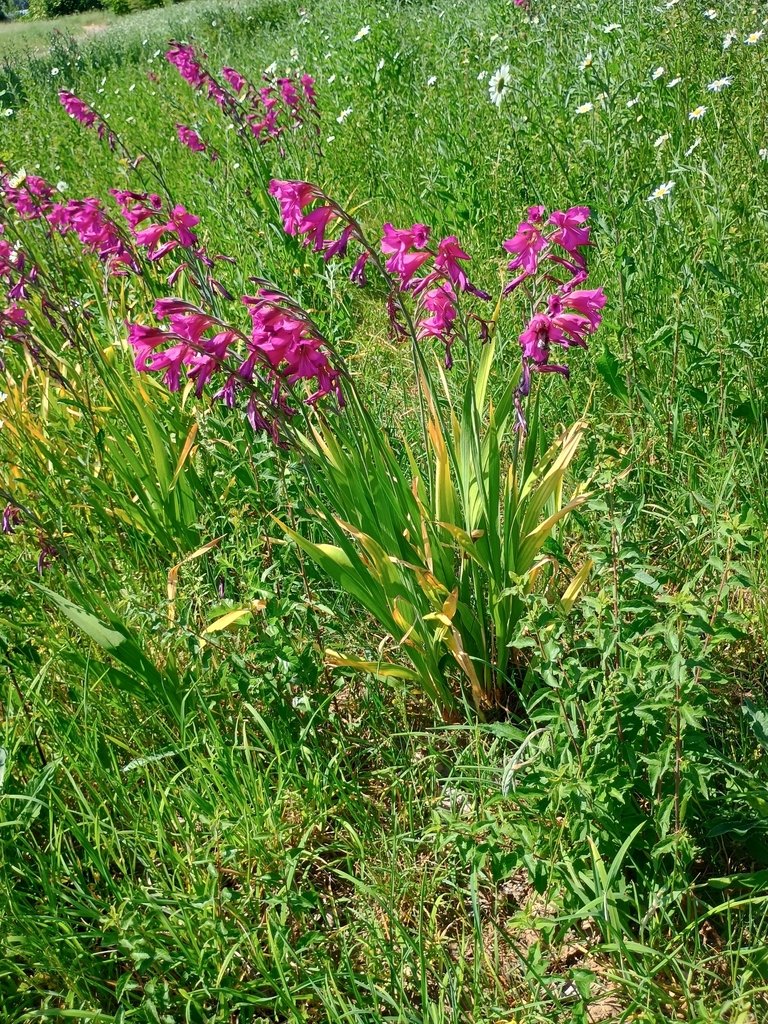

- Botanical name
- Gladiolus communis
- Also known as
- Cornflag, Eastern Gladiolus
- Family
- Iridaceae
- Genus
- Gladiolus
- Flowering period
- May to June
- Height
- 60–100 cm
- Spread
- 10–15 cm
- Hardiness
- Hardy in most of the UK (RHS H4)
- Reference
- World Flora Online
How to grow Eastern Gladiolus
Full sun
Low; drought-tolerant and needs a dry summer rest
Sharply drained, light soil; poor ground is acceptable
Neutral to alkaline
Planting
Plant corms in autumn, about 10–15 cm deep, in the sunniest and driest position you have. It is much hardier and more graceful than the large-flowered summer gladioli, and once settled in a well-drained sunny border it comes back and increases year on year.
Pruning
Cut flowered stems down after flowering, or leave a few to set seed if you want it to spread. Let the foliage die back naturally.
Propagation
It increases readily by cormlets and self-sows on light soil. Lift and separate the corms in late summer if a clump becomes crowded.
Pests and diseases
Gladiolus thrips can silver the leaves and mark the flowers. Corms rot in heavy wet soil, which is the usual reason it fails to persist.
Value to wildlife
The magenta flower spikes are visited by bumblebees in late spring.
Notes
The plant usually sold and grown in British gardens is the subspecies byzantinus, which is the form worth seeking out. On light, hot soil it can naturalise to the point of becoming a nuisance in a small border — a virtue in gravel or a dry meadow.
This guidance was researched and written by GardenDecoded — see our editorial policy for how guides are checked and reviewed.
Other names for this plant
These names have all been used for Gladiolus communis but are no longer the accepted name. You may still meet them on old labels, in books, or in nursery catalogues.
Gladiolus byzantinus var. lutarius
Gladiolus byzantinus var. numidicus
Gladiolus collinus
Gladiolus communis subsp. notarisii
Gladiolus communis var. byzantinus
Gladiolus communis var. carneus
Gladiolus communis var. montserratii
Gladiolus gussonei
Gladiolus illyricus subsp. reuteri
Gladiolus illyricus var. reuteri
Gladiolus lannesii
Gladiolus notarisii
Gladiolus numidicus
Gladiolus reuteri
Gladiolus reuteri var. subuniflorus
Gladiolus tinei
Gladiolus tineoi
Others in Gladiolus
GardenDecoded is an educational gardening reference. Botanical data comes from World Flora Online and GBIF; growing guidance is our own. Always check a plant's toxicity and local invasiveness status before planting, and never eat or apply a plant based on this site alone.