Fuchsia × bacillaris
Hardy Fuchsia
Fuchsia magellanica
Lam. Species
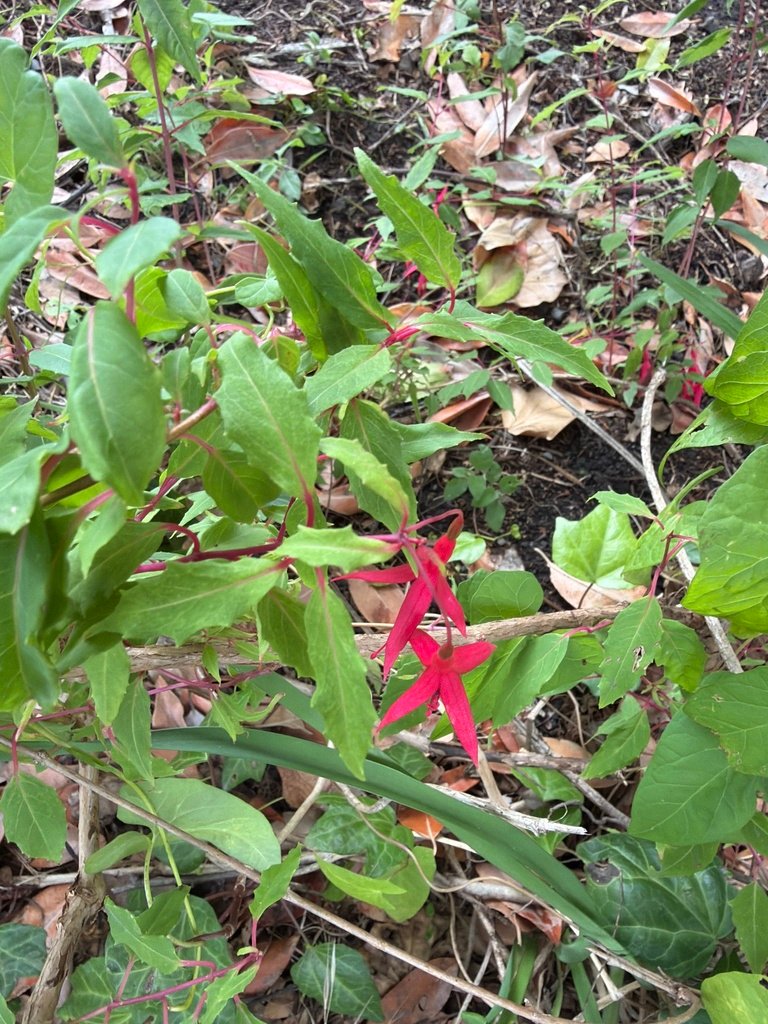
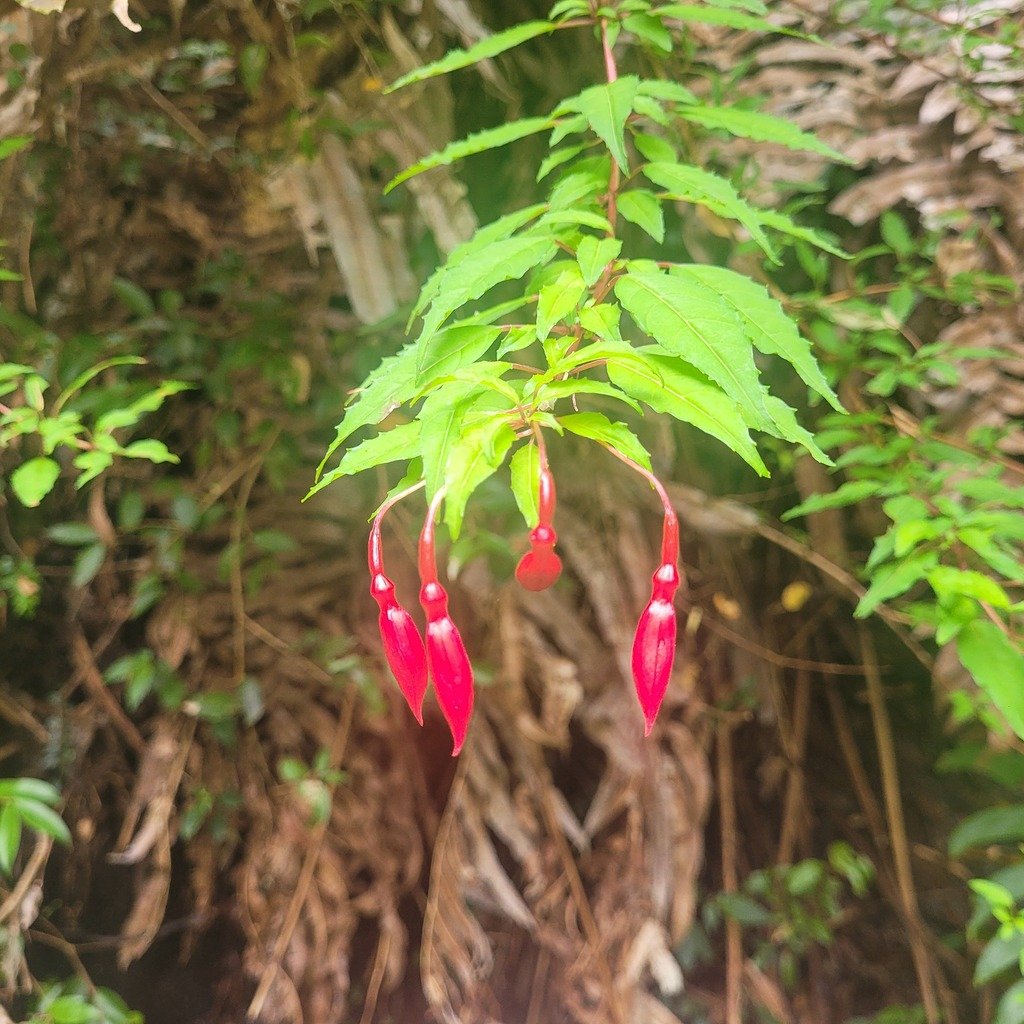
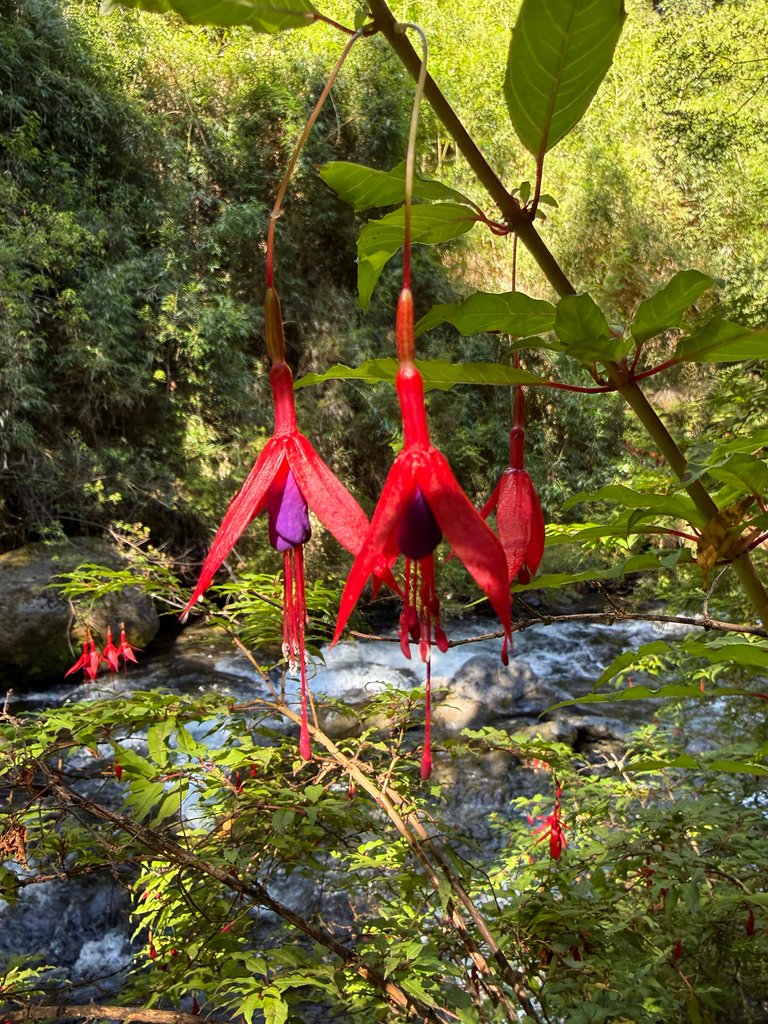

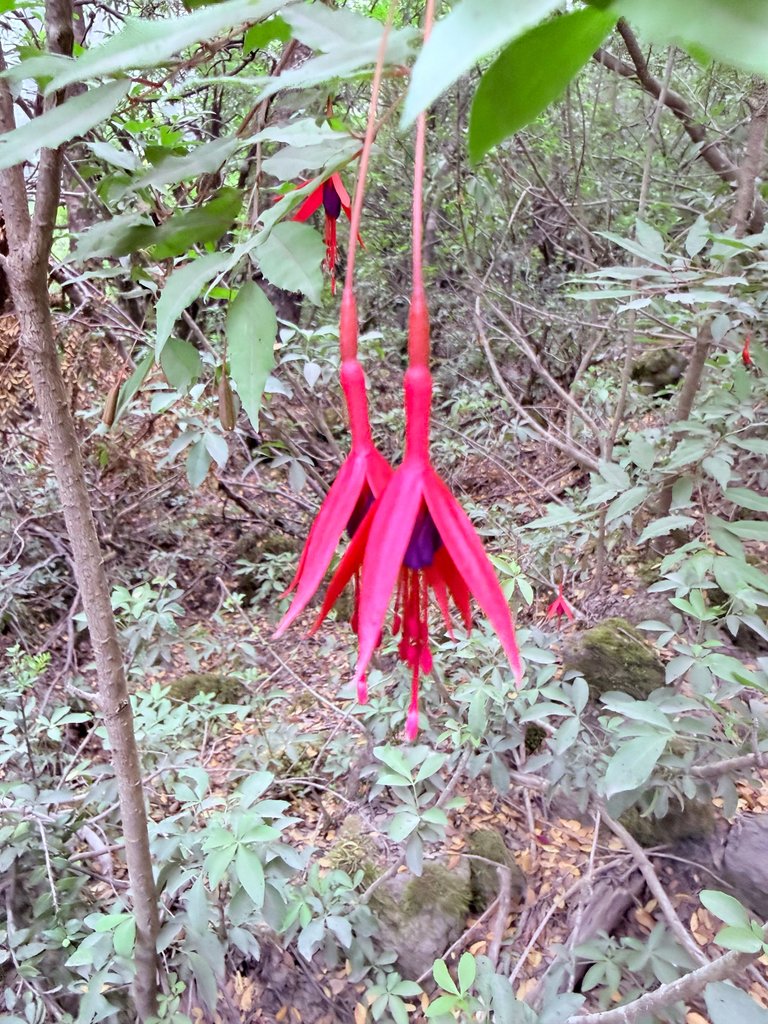

- Botanical name
- Fuchsia magellanica
- Also known as
- Fuchsia, Hardy Fuchsia
- Family
- Onagraceae
- Genus
- Fuchsia
- Flowering period
- July to October
- Height
- 150–250 cm
- Spread
- 150–250 cm
- Hardiness
- Hardy in most of the UK (RHS H4)
- Reference
- World Flora Online
How to grow Hardy Fuchsia
Full sun to partial shade
Moderate; keep from drying out in summer
Fertile, moisture-retentive but well-drained
Acid to alkaline
Planting
Plant in late spring, once frost risk has passed, setting the crown about 5 cm below soil level. That extra depth protects the base if the top is killed in a hard winter. It hedges well in mild western and coastal areas and is a familiar sight in Ireland and Cornwall.
Pruning
In mild areas trim back in spring to a low framework. In colder gardens the top growth is usually killed by frost - leave it in place over winter as protection, then cut everything to ground level in April once new shoots appear at the base. It flowers on new wood, so this costs nothing.
Propagation
Softwood cuttings in spring or semi-ripe cuttings in summer; both root very quickly.
Pests and diseases
Fuchsia gall mite has spread through southern England and causes badly distorted, thickened shoot tips that never recover - cut out and dispose of affected growth, and do not compost it. Capsid bug and vine weevil (in pots) also occur.
Value to wildlife
The long flowering season into autumn gives bees a late nectar source, and the pendent flowers are worked by bumblebees.
Notes
Mulch the crown in autumn in colder gardens. It flowers from midsummer until the first real frost, which makes it one of the more useful shrubs for late-season colour in a shaded border.
This guidance was researched and written by GardenDecoded — see our editorial policy for how guides are checked and reviewed.
Other names for this plant
These names have all been used for Fuchsia magellanica but are no longer the accepted name. You may still meet them on old labels, in books, or in nursery catalogues.
Dorvalia eucharis
Dorvalla eucharis
Fuchsia araucana
Fuchsia chonotica
Fuchsia coccinea var. chonotica
Fuchsia coccinea var. macrostema
Fuchsia coccinea var. robustior
Fuchsia conica
Fuchsia decussata
Fuchsia discolor
Fuchsia globosa
Fuchsia globosa var. devonia
Fuchsia gracilis
Fuchsia gracilis unranked superba
Fuchsia gracilis var. macrostema
Fuchsia gracilis var. multiflora
Fuchsia gracilis var. tenella
Fuchsia macrostema var. conica
Fuchsia macrostema var. globosa
Fuchsia macrostema var. gracilis
Fuchsia macrostema var. tenella
Fuchsia macrostemma
Fuchsia macrostemma var. conica
Fuchsia macrostemma var. globosa
Fuchsia macrostemma var. gracilis
Fuchsia macrostemma var. grandiflora
Fuchsia macrostemma var. parviflora
Fuchsia macrostemma var. recurvata
Fuchsia magellanica var. alba
Fuchsia magellanica var. conica
Fuchsia magellanica var. discolor
Fuchsia magellanica var. eburnea
Fuchsia magellanica var. globosa
Fuchsia magellanica var. gracilis
Fuchsia magellanica var. macrostema
Fuchsia magellanica var. magellanica
Fuchsia magellanica var. molinae
Fuchsia magellanica var. riccartonii
Fuchsia magellanica var. typica
Fuchsia multiflora
Fuchsia myrtifolia
Fuchsia pumila
Fuchsia pumila
Fuchsia recurvata
Fuchsia ricoartonii
Fuchsia tenella
Fuchsia thomsonii
Fuchsia virgata
Thilcum tinctorium
Others in Fuchsia
GardenDecoded is an educational gardening reference. Botanical data comes from World Flora Online and GBIF; growing guidance is our own. Always check a plant's toxicity and local invasiveness status before planting, and never eat or apply a plant based on this site alone.