Fritillaria alfredae subsp. alfredae
Snakehead Fritillary
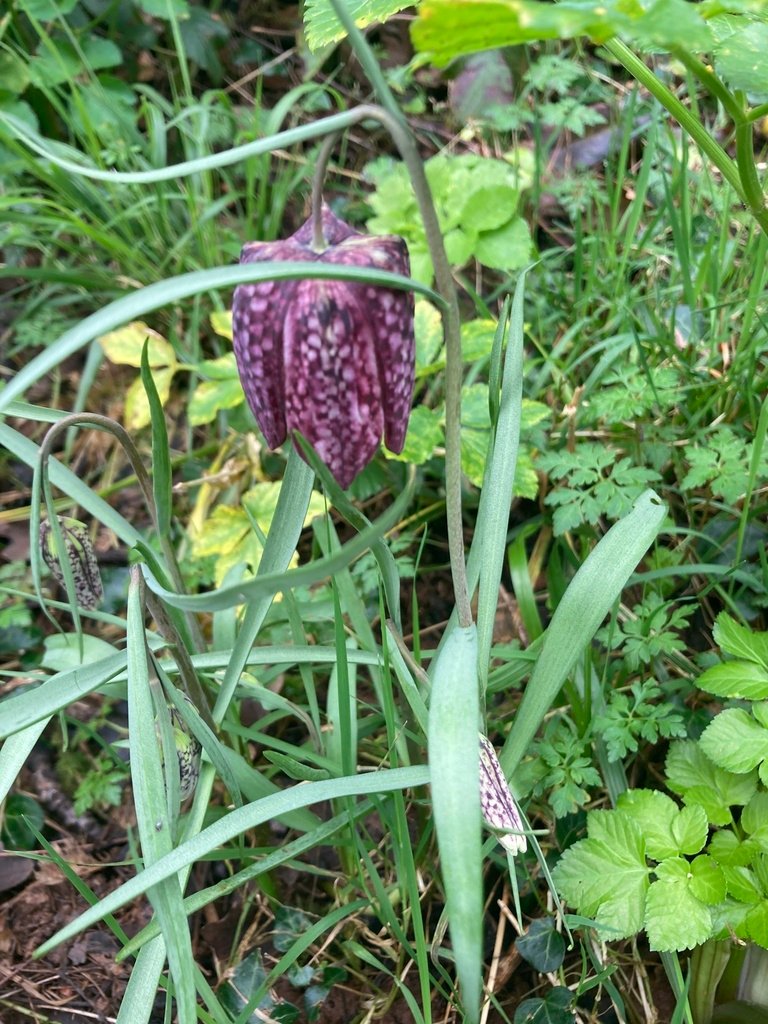
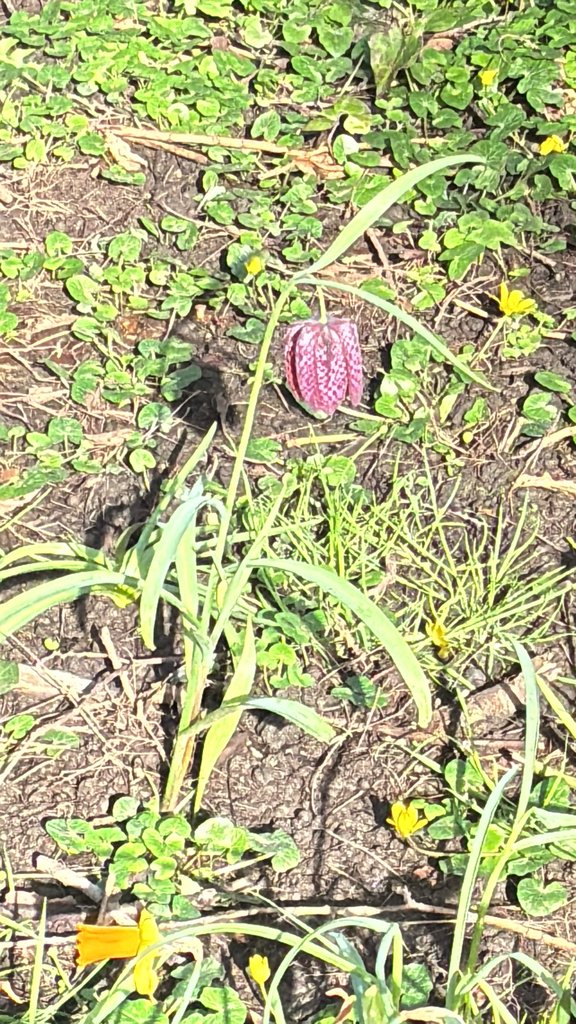
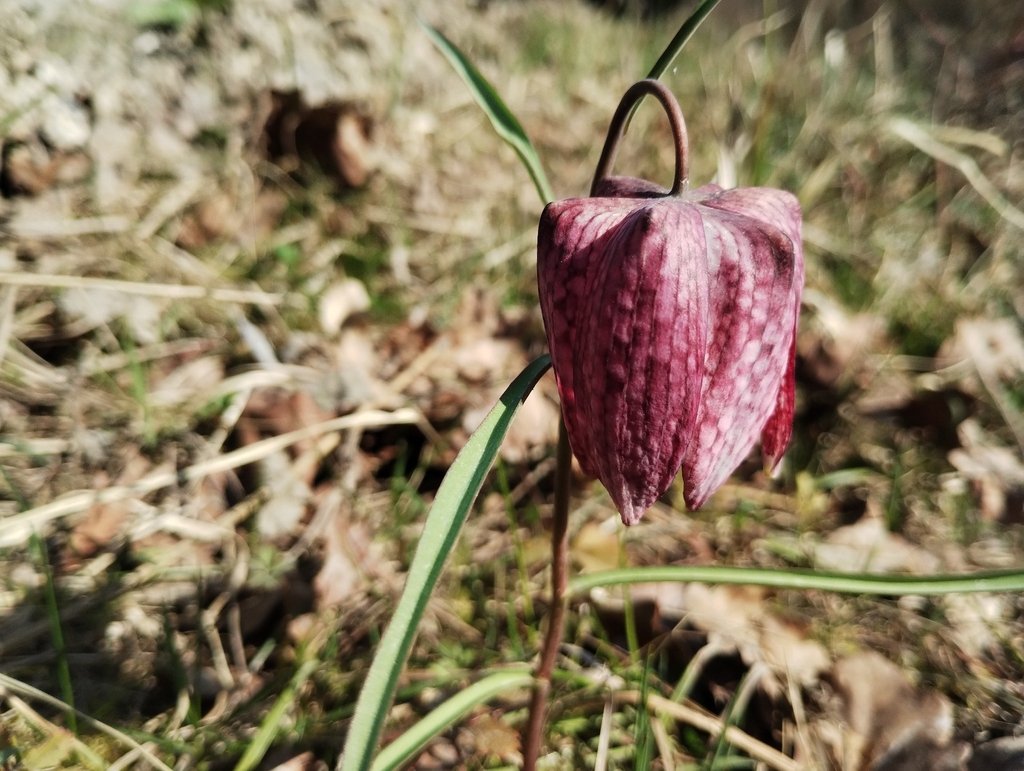
Fritillaria meleagris
L. Species
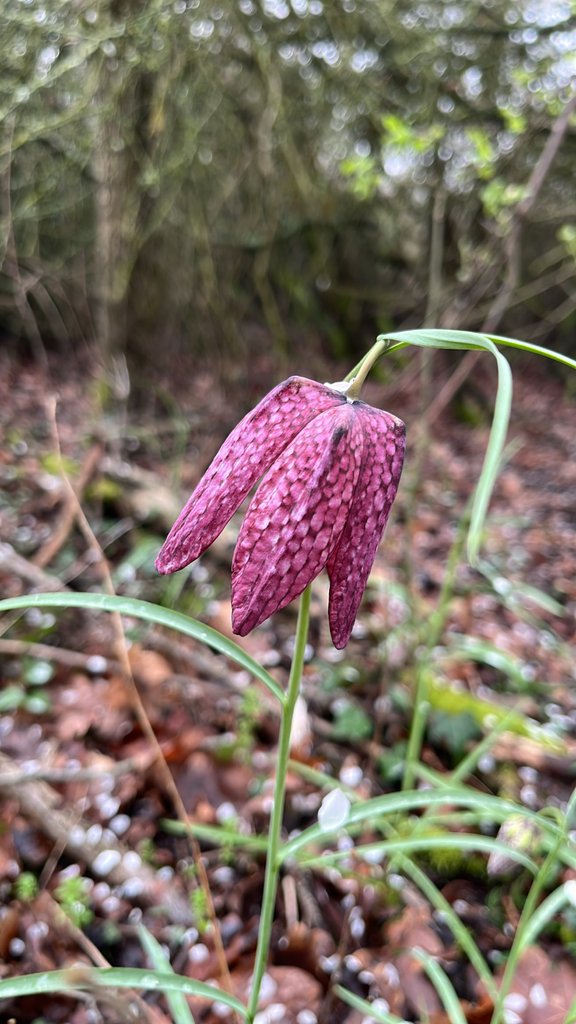
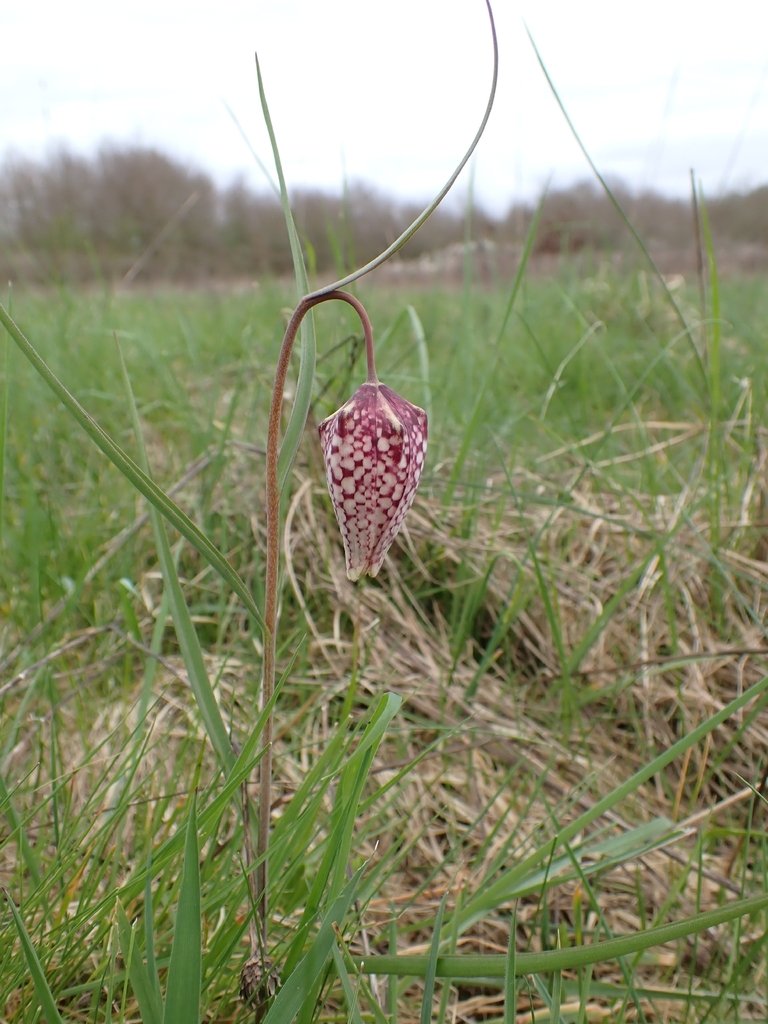
- Botanical name
- Fritillaria meleagris
- Also known as
- Chequered-Lily, Fritillary, Guinea-Hen-Flower, Snake's Head, Snakehead Fritillary
- Family
- Liliaceae
- Genus
- Fritillaria
- Flowering period
- April to May
- Height
- 20–30 cm
- Spread
- 5–10 cm
- Hardiness
- Fully hardy (RHS H6)
- Reference
- World Flora Online
How to grow Snakehead Fritillary
Full sun to light shade
Moderate; needs soil that stays damp in spring
Moisture-retentive soil that does not dry out hard in spring
Neutral
Planting
Plant bulbs in early autumn, about 10 cm deep, and get them in the ground quickly — they are soft and dry out fast in the packet. Damp meadow grass is the natural habitat and the best place for them; they also do well in a border that stays moist in spring.
Pruning
None. In grass, leave the first cut until the foliage has yellowed and the seed pods have ripened, usually well into summer.
Propagation
Self-sows where the grass is not cut too early, which is how a colony builds. Seedlings take four or five years to flower, so patience is required; offsets can also be separated when dormant.
Pests and diseases
Scarlet lily beetle eats the leaves and flowers and should be picked off by hand. Mice and squirrels take newly planted bulbs.
Value to wildlife
The nodding chequered bells are worked by bumblebees in spring. Wild populations are scarce in Britain, so garden plantings have some conservation value.
Notes
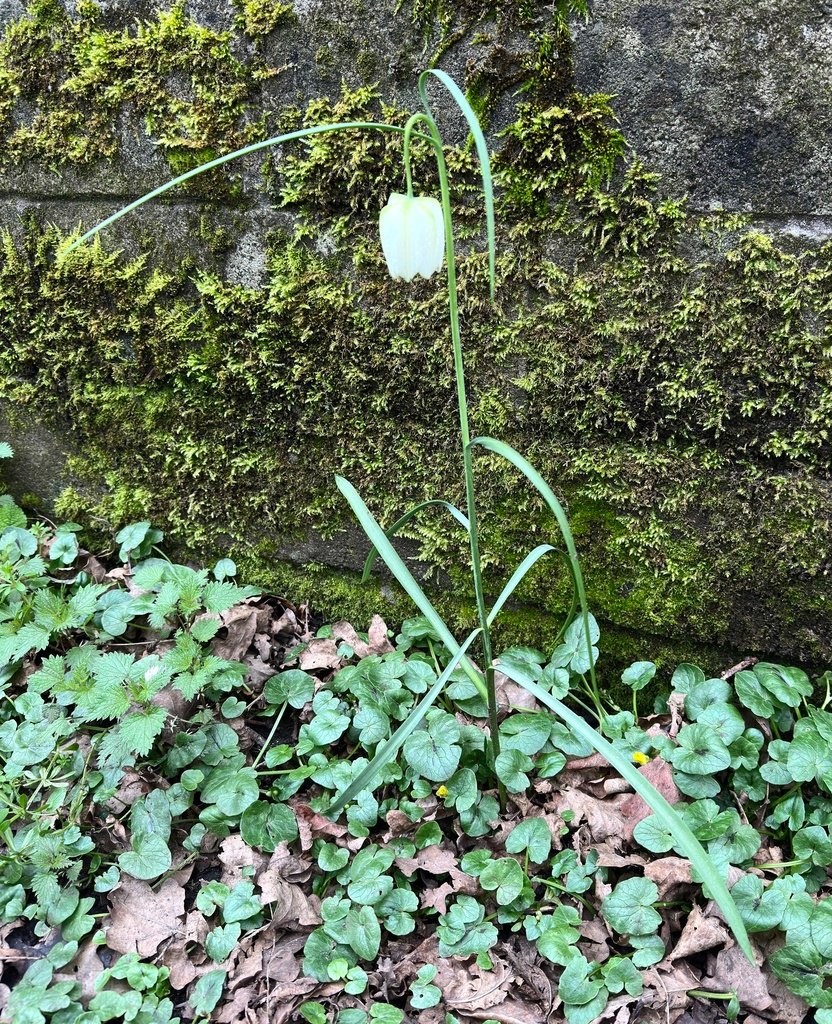
Buy bulbs from a reputable supplier that grows rather than collects them. Roughly a fifth of the plants in a mixed batch will be the white form, which is normal and not a fault.
This guidance was researched and written by GardenDecoded — see our editorial policy for how guides are checked and reviewed.
Other names for this plant
These names have all been used for Fritillaria meleagris but are no longer the accepted name. You may still meet them on old labels, in books, or in nursery catalogues.
Fritillaria contorta
Fritillaria graminifolia
Fritillaria lutea
Fritillaria major
Fritillaria meleagris subsp. meleagris
Fritillaria meleagris var. contorta
Fritillaria montana
Fritillaria pallida
Fritillaria praecox
Fritillaria tesselata
Fritillaria tesselata var. alba
Fritillaria tesselata var. lutea
Fritillaria tesselata var. multiflora
Fritillaria tesselata var. serotina
Lilium meleagris
Others in Fritillaria
GardenDecoded is an educational gardening reference. Botanical data comes from World Flora Online and GBIF; growing guidance is our own. Always check a plant's toxicity and local invasiveness status before planting, and never eat or apply a plant based on this site alone.