Festuca × belensis
Blue Fescue
Festuca glauca
Vill. Species

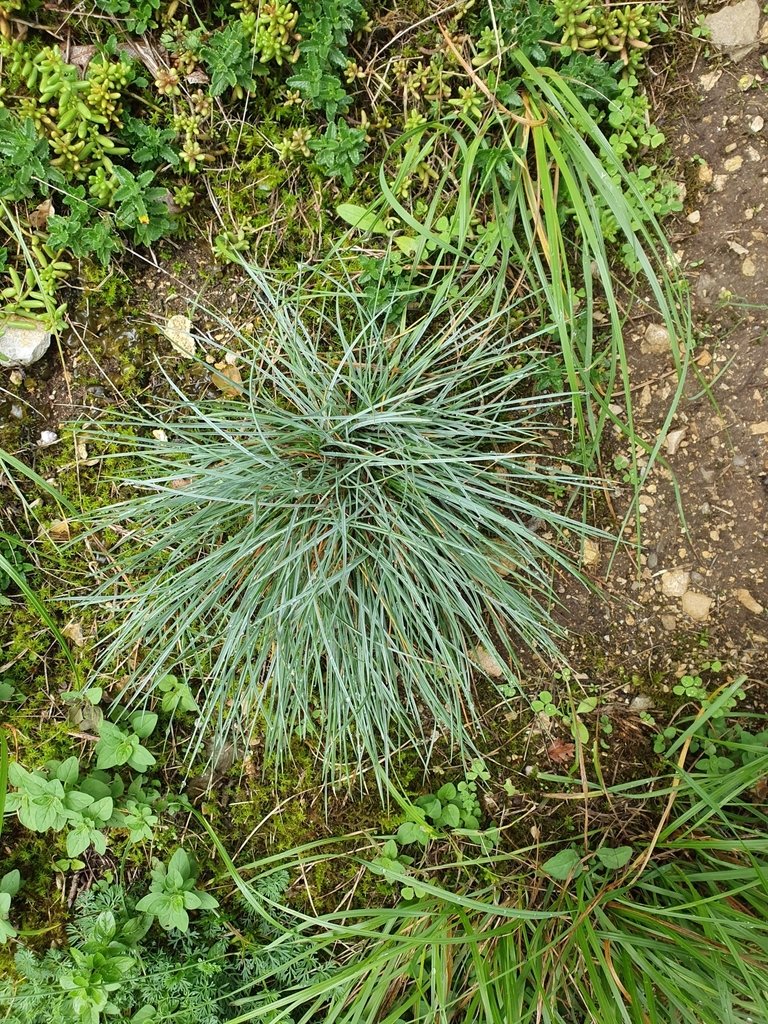

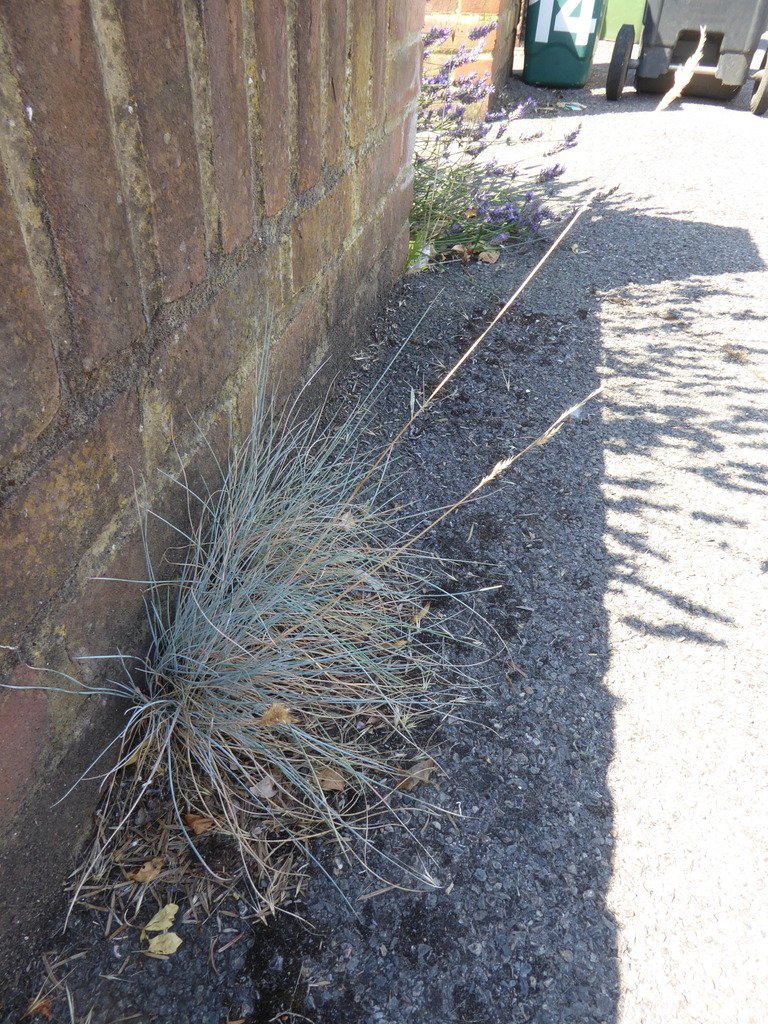
- Botanical name
- Festuca glauca
- Also known as
- Blue Fescue, Gray Fescue
- Family
- Poaceae
- Genus
- Festuca
- Flowering period
- June to July
- Height
- 20–40 cm
- Spread
- 25–30 cm
- Hardiness
- Fully hardy
- Reference
- World Flora Online
How to grow Blue Fescue
Full sun — colour fades badly in shade
Low; drought tolerant and intolerant of wet soil
Poor to moderately fertile, sharply drained; grit on heavy ground
Acid to alkaline
Planting
Plant in spring into free-draining soil in full sun. It suits gravel gardens, raised beds, containers and the front edge of a dry sunny border. Rich moist soil produces floppy green growth rather than the tight blue tuft you are after.
Pruning
Evergreen, so do not cut it to the ground. Comb dead material out by hand in early spring and remove the flowering stems once they brown, or cut them off early if you prefer the neat foliage mound.
Propagation
Divide in spring every two or three years — this is maintenance as much as propagation. Seed-raised plants vary considerably in how blue they are.
Pests and diseases
Few problems. Clumps die out in the middle after a few years, and plants rot over winter on heavy wet soil.
Notes
Individual plants are short-lived and lose their colour and shape after about three years. Plan to lift, split and replant regularly, discarding the tired brown centre and replanting only the strong outer sections.
This guidance was researched and written by GardenDecoded — see our editorial policy for how guides are checked and reviewed.
Other names for this plant
These names have all been used for Festuca glauca but are no longer the accepted name. You may still meet them on old labels, in books, or in nursery catalogues.
Festuca calcarea
Festuca calcarea
Festuca duriuscula var. glauca
Festuca eragrostoides
Festuca strictifolia
Festuca veneris
Others in Festuca
GardenDecoded is an educational gardening reference. Botanical data comes from World Flora Online and GBIF; growing guidance is our own. Always check a plant's toxicity and local invasiveness status before planting, and never eat or apply a plant based on this site alone.