Eryngium × heteracanthum
Blue Eryngo
Eryngium planum
L. Species



- Botanical name
- Eryngium planum
- Also known as
- Blue Eryngo, Cross Thistle, Flat Eryngo, Flat Rattlesnake Master, Kok-Bas, Plains Coyote-Thistle, Plains Eryngo
- Family
- Apiaceae
- Genus
- Eryngium
- Flowering period
- July to September
- Height
- 60–90 cm
- Spread
- 30–45 cm
- Hardiness
- Fully hardy (RHS H7)
- Reference
- World Flora Online
How to grow Blue Eryngo
Full sun
Low; drought tolerant once established
Poor to moderately fertile, sharply drained
Neutral to alkaline
Planting
Plant in spring in full sun with free-draining soil; gravel gardens and dry sunny borders suit it. It makes a long taproot and dislikes being moved, so plant young and leave it alone. Rich or damp soil produces floppy stems and short-lived plants.
Pruning
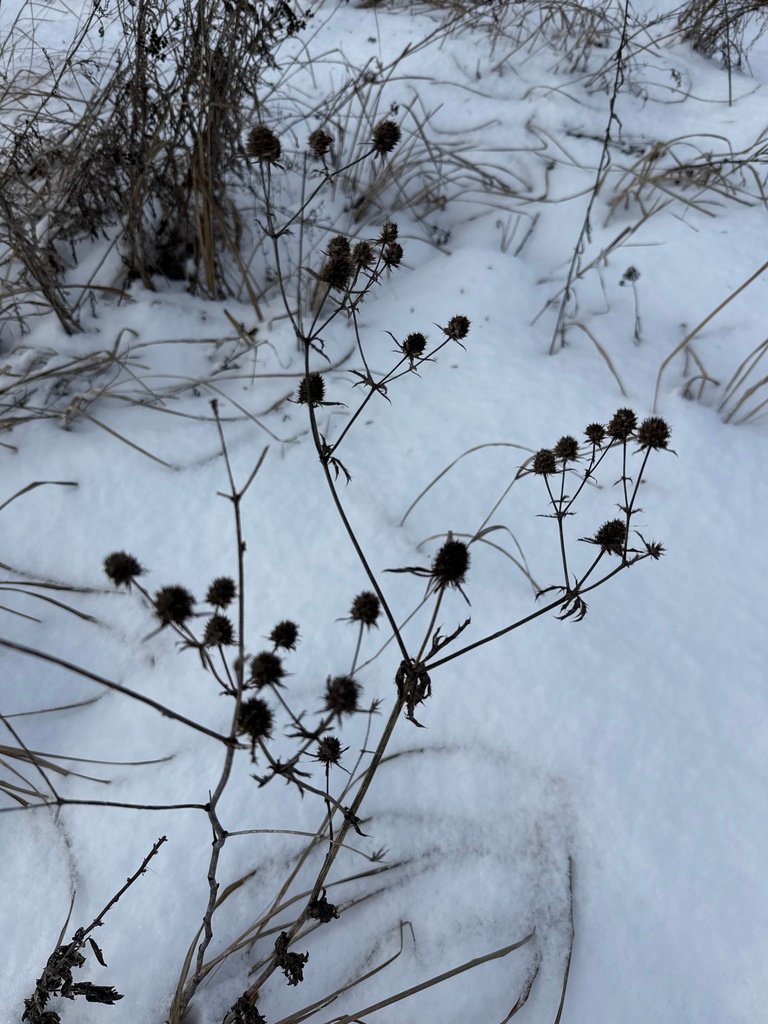
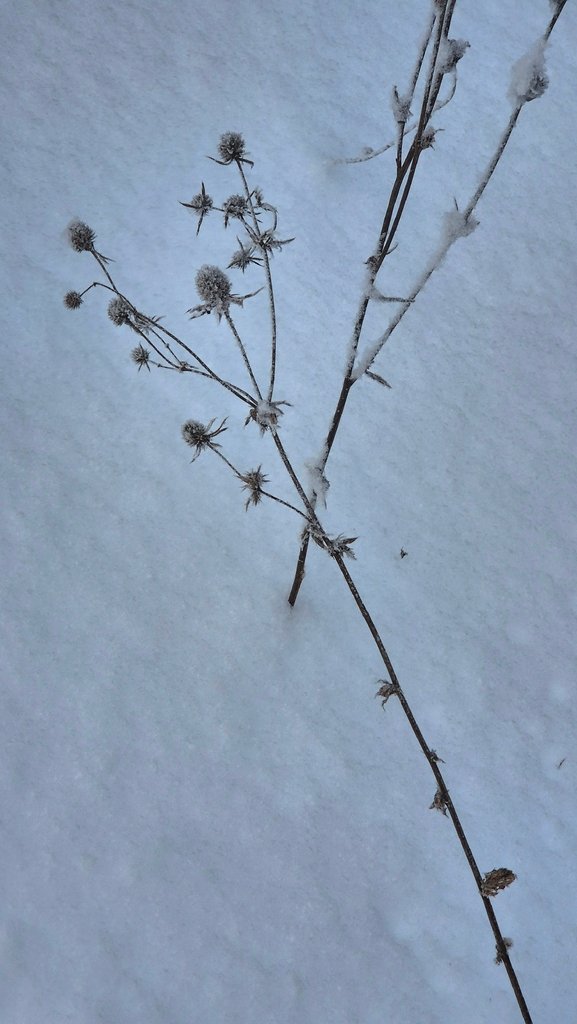
Leave the stems and cone-like heads standing through winter, as they dry well and hold their shape. Cut back to the basal rosette in early spring. Deadheading during the season is only needed if you want to limit self-seeding.
Propagation
Root cuttings in winter are the most reliable method. Seed germinates after a cold period but is slow. Division is possible in spring, though the taproot makes it awkward.
Pests and diseases
Slugs on young growth in spring. Root rot in poorly drained soil is the main killer; pests are rarely an issue.
Value to wildlife
Bees, hoverflies and wasps work the flowerheads heavily in high summer, and the dried heads give winter shelter to insects.
Notes
Drainage is everything. If your soil is heavy clay, grow it in a raised bed or a large gritty container rather than fighting the ground.
This guidance was researched and written by GardenDecoded — see our editorial policy for how guides are checked and reviewed.
Other names for this plant
These names have all been used for Eryngium planum but are no longer the accepted name. You may still meet them on old labels, in books, or in nursery catalogues.
Eryngium armatum
Eryngium brunardii
Eryngium caeruleum
Eryngium intermedium
Eryngium latifolium
Eryngium planifolium
Eryngium planum var. armatum
Eryngium pumilum
Eryngium pusillum
Others in Eryngium
GardenDecoded is an educational gardening reference. Botanical data comes from World Flora Online and GBIF; growing guidance is our own. Always check a plant's toxicity and local invasiveness status before planting, and never eat or apply a plant based on this site alone.