Eriocapitella japonica
Japanese anemone
Eriocapitella hupehensis
(Lemoine) Christenh. & Byng Species
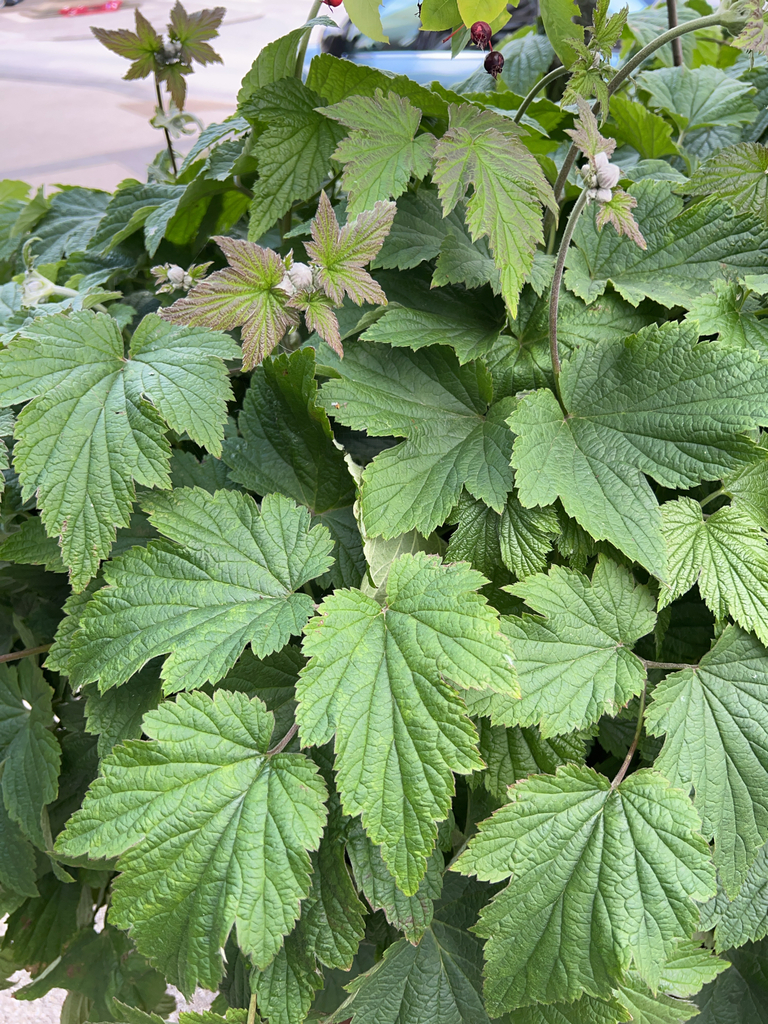
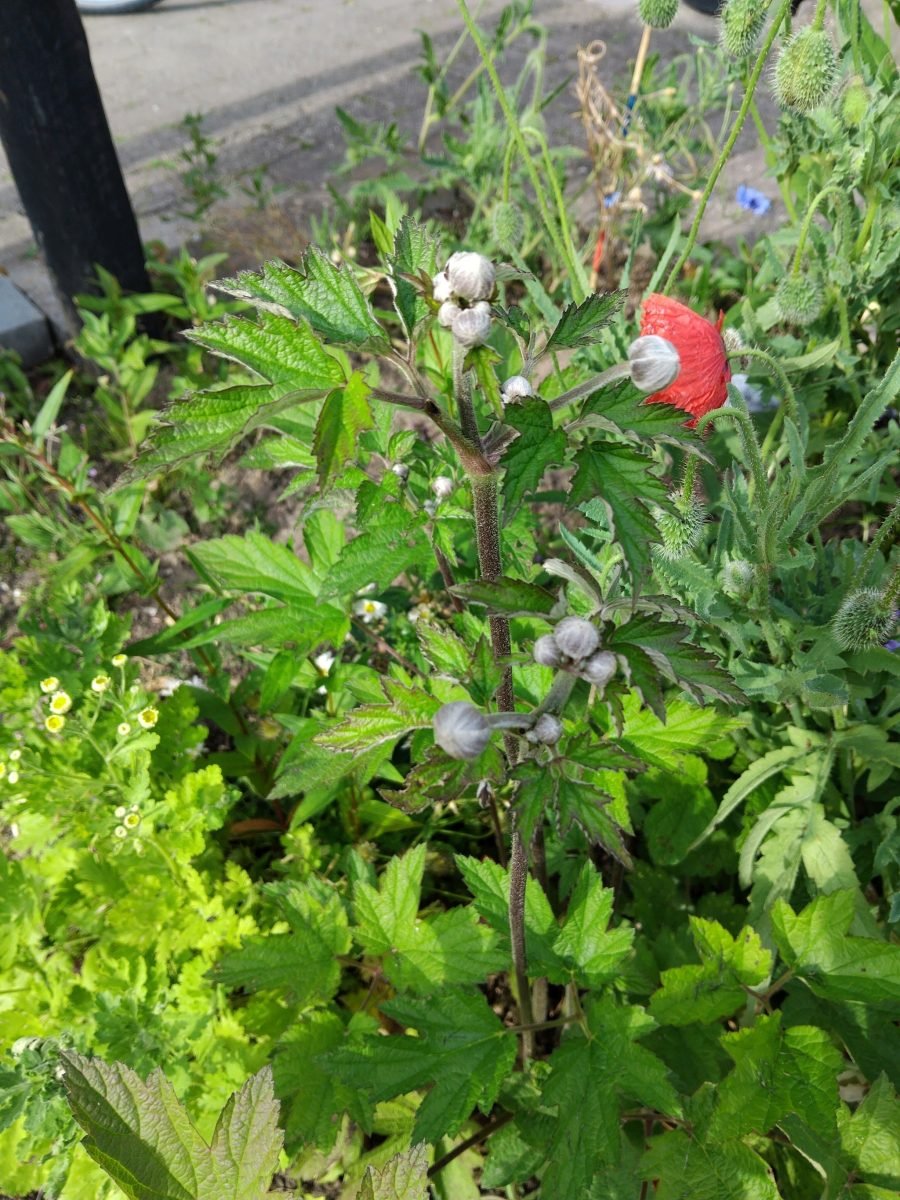
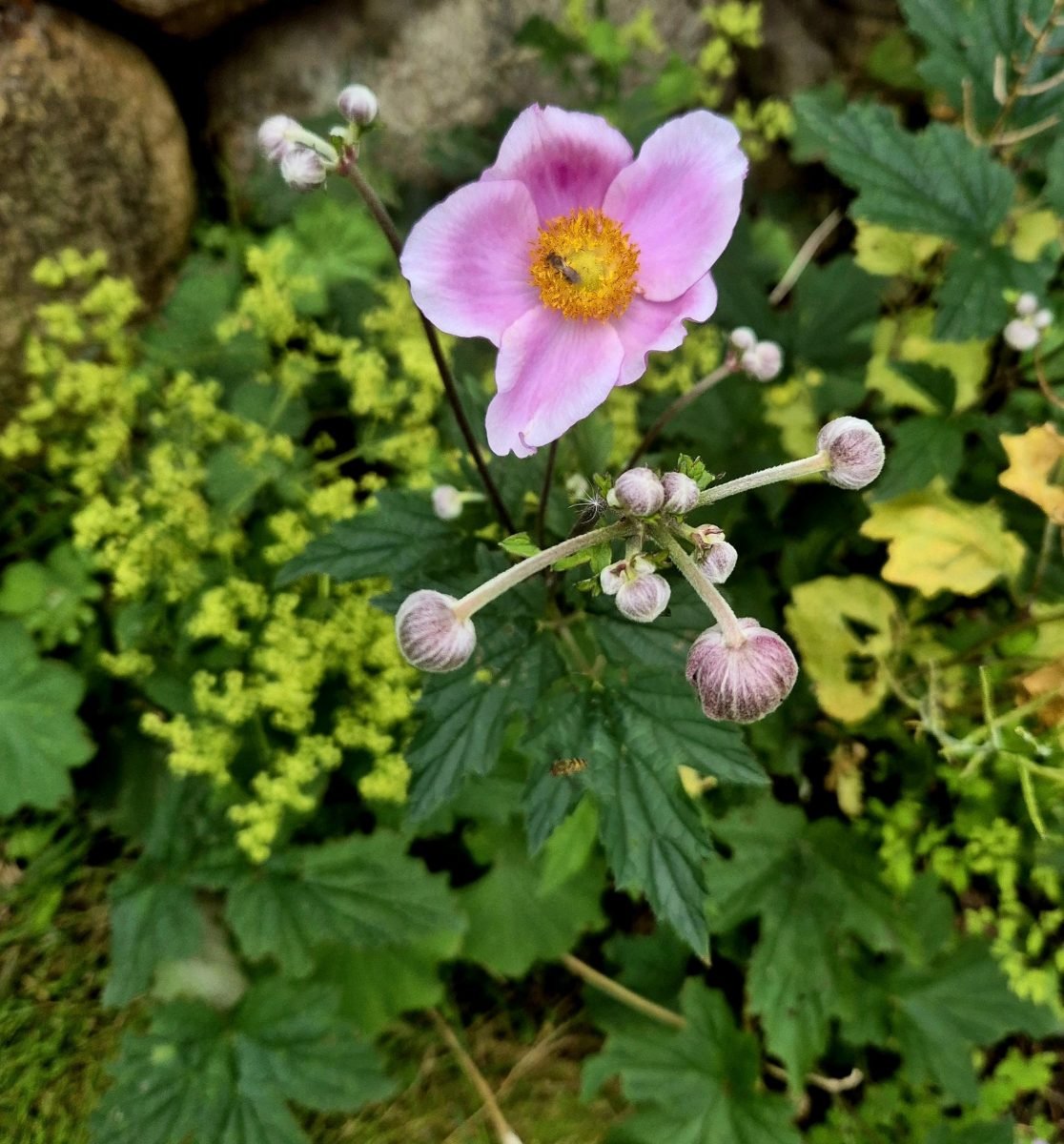
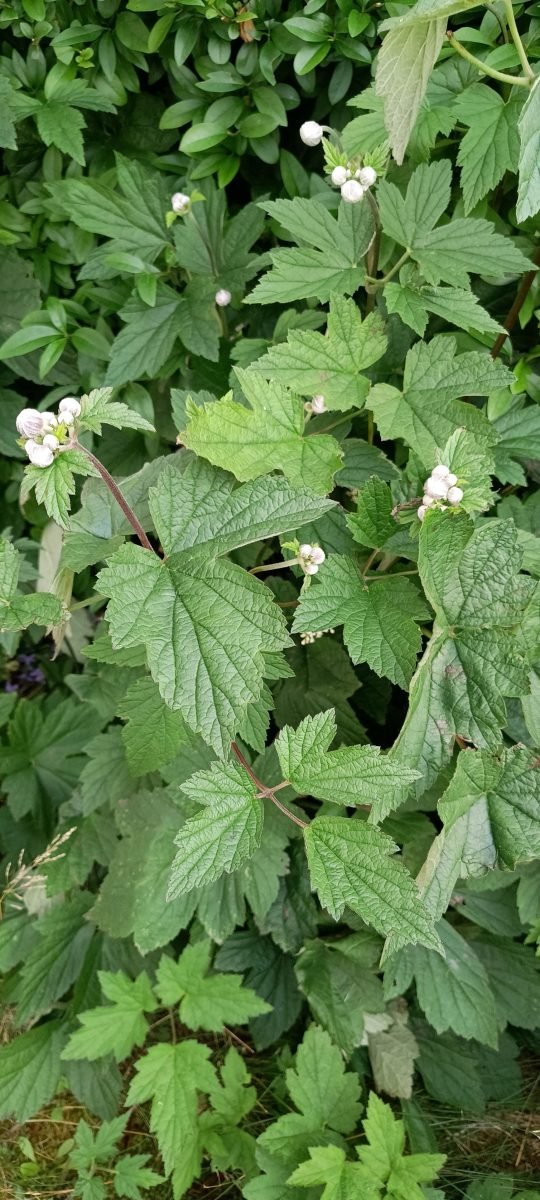
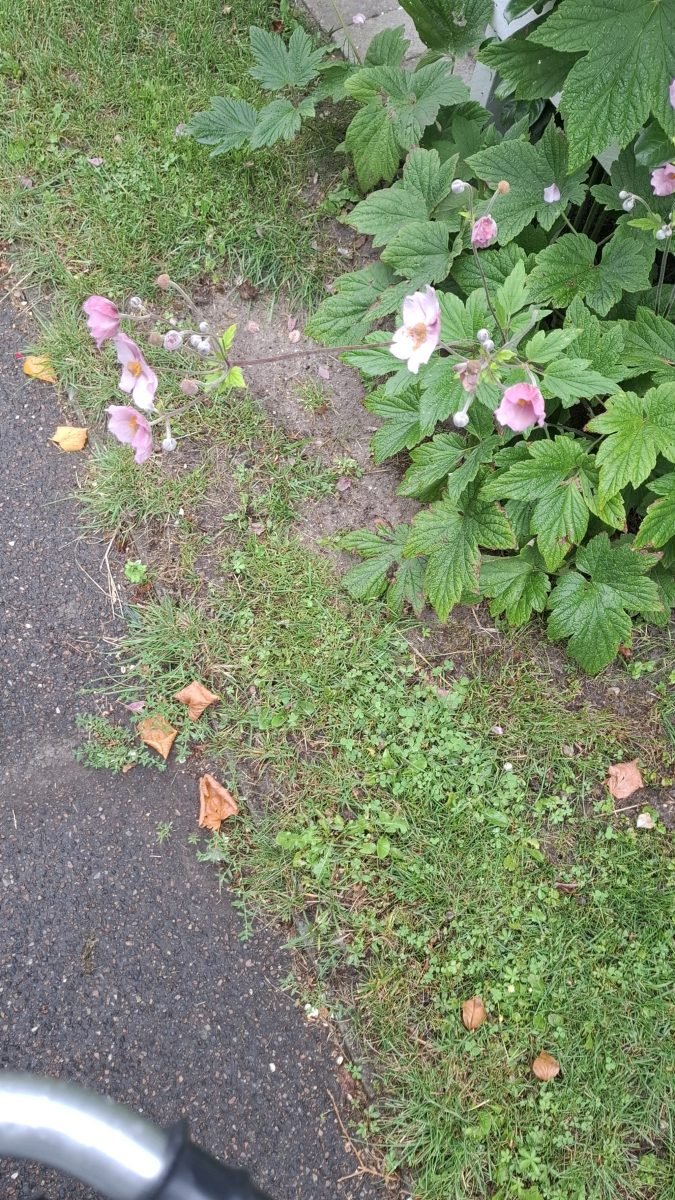
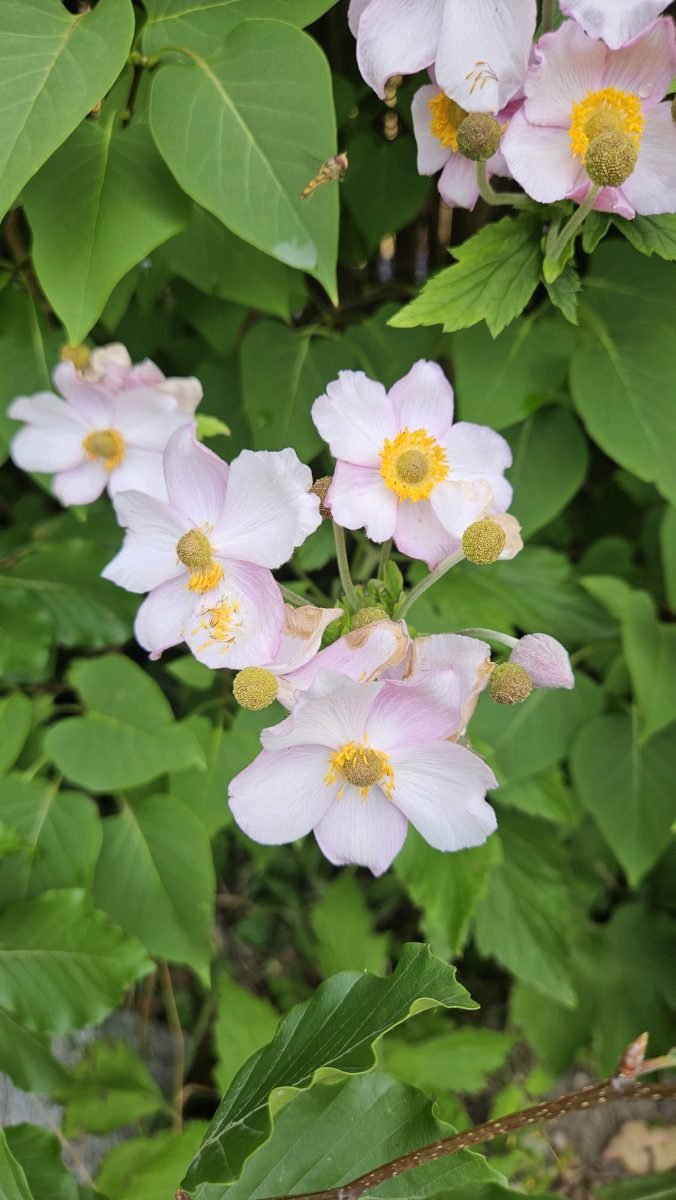
- Botanical name
- Eriocapitella hupehensis
- Family
- Ranunculaceae
- Genus
- Eriocapitella
- Flowering period
- August to October
- Height
- 60–120 cm
- Spread
- 45–100 cm
- Hardiness
- Fully hardy (RHS H6)
- Reference
- World Flora Online
How to grow Japanese anemone
Partial shade to full sun
Moderate; keep moist in the first two seasons
Moist, humus-rich, well-drained
Acid, neutral or alkaline
Planting
Plant in spring so the roots are established before winter. It takes a year or two to settle and then spreads steadily by underground runners, so put it where that is acceptable. Partial shade with moisture at the root suits it better than a hot dry site.
Pruning
Deadhead through the season if you want, though the seedheads are attractive. Cut the stems down after the foliage collapses in late autumn or leave them until early spring. No other pruning is needed.
Propagation
Lift and separate rooted suckers in spring, or take root cuttings in winter, which is the more reliable method. Named forms will not come true from seed.
Pests and diseases
Anemone leaves are prone to a leaf-spotting fungus in wet summers, and powdery mildew can occur late in the season. Caterpillars occasionally shred the foliage.
Value to wildlife
The open flowers are a useful late nectar source for bees and hoverflies at a point in the year when many borders have finished.
Notes
It is slow to start and then hard to stop. Once running through a border, fragments of root left in the soil will regrow, so think carefully about siting rather than planning to move it later.
This guidance was researched and written by GardenDecoded — see our editorial policy for how guides are checked and reviewed.
Other names for this plant
These names have all been used for Eriocapitella hupehensis but are no longer the accepted name. You may still meet them on old labels, in books, or in nursery catalogues.
Anemone hupehensis
Anemone hupehensis f. alba
Anemone japonica var. hupehensis
Anemone matsudae
Anemone vitifolia var. matsudae
Eriocapitella vitifolia var. matsudae
Others in Eriocapitella
GardenDecoded is an educational gardening reference. Botanical data comes from World Flora Online and GBIF; growing guidance is our own. Always check a plant's toxicity and local invasiveness status before planting, and never eat or apply a plant based on this site alone.