Echinacea angustifolia
Purple Coneflower
Echinacea purpurea
(L.) Moench Species



- Botanical name
- Echinacea purpurea
- Also known as
- Broad-Leaved Purple Coneflower, Eastern Purple Coneflower, Eastern Purple-Coneflower, Purple Cone-Flower, Purple Coneflower, Purple-Coneflower
- Family
- Asteraceae
- Genus
- Echinacea
- Flowering period
- July to September
- Height
- 60–120 cm
- Spread
- 45–60 cm
- Hardiness
- Hardy (RHS H5)
- Reference
- World Flora Online
How to grow Purple Coneflower
Full sun
Moderate in summer; needs good drainage in winter
Fertile, well-drained; dislikes heavy wet clay
Neutral to slightly alkaline
Planting
Plant in spring rather than autumn so the roots establish before their first winter. Full sun and free-draining soil are both essential; winter wet in heavy ground kills more plants than cold does. Space about 45 cm apart.
Pruning
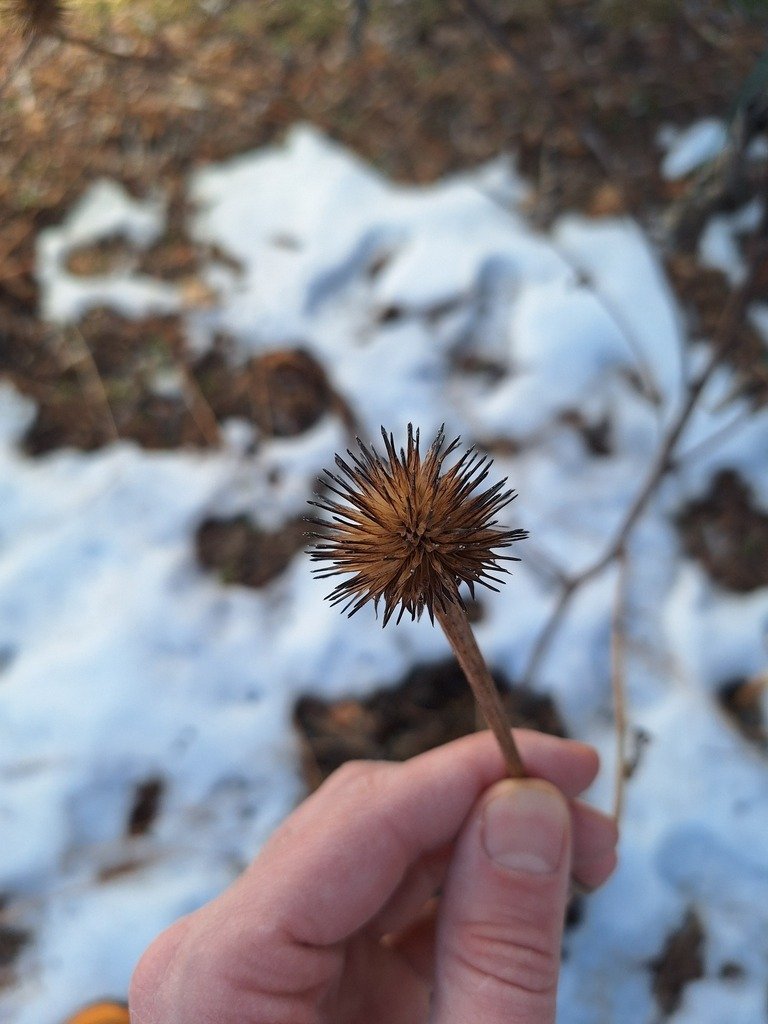
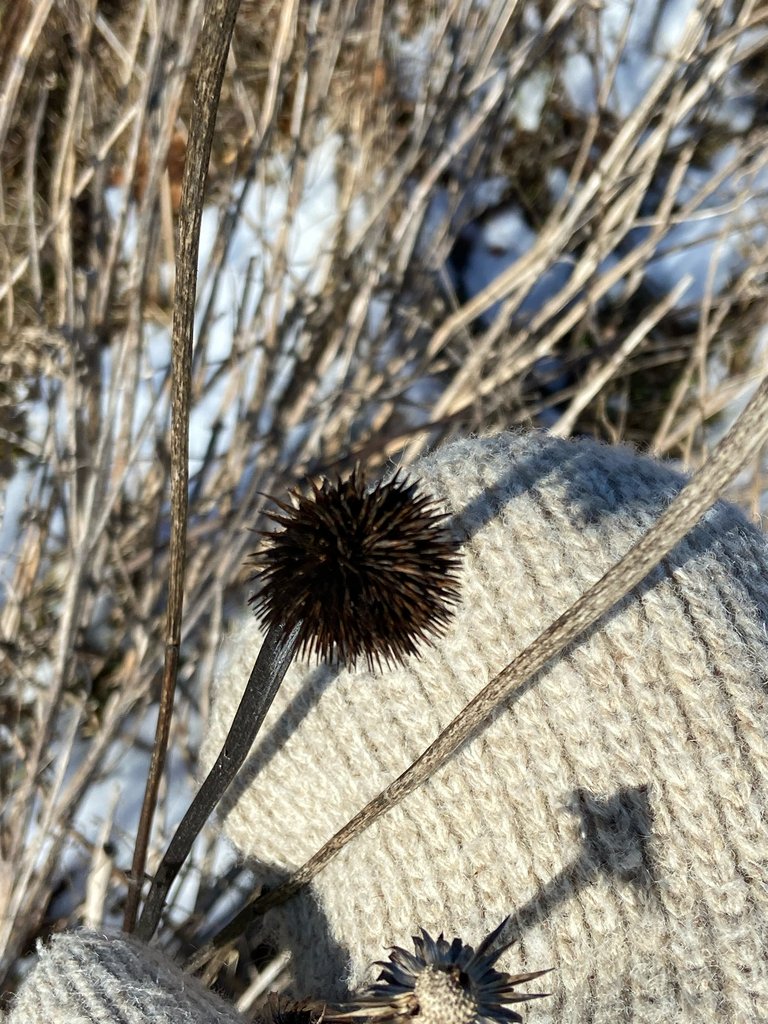
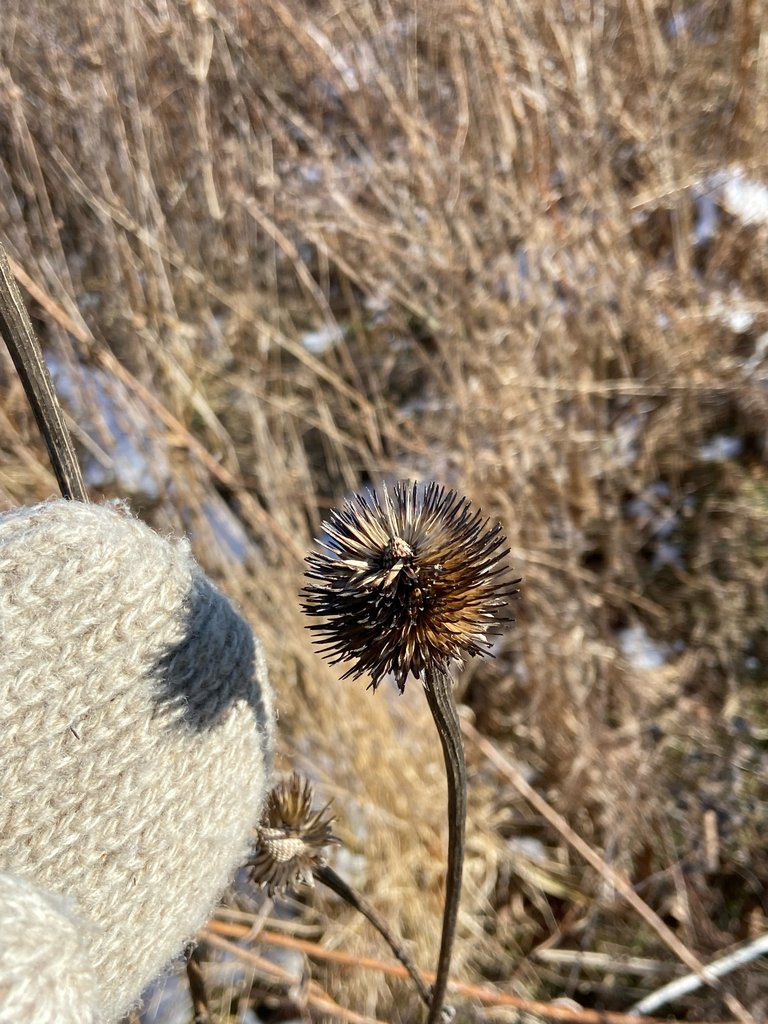
Deadhead through summer to prolong flowering, or leave the later heads to form seedheads. Leave the stems and cones standing over winter for structure and for birds, and cut back in early spring.
Propagation
Divide in spring every three or four years. Root cuttings in autumn also work. Seed of the straight species germinates reasonably well after a cold period, but the many named cultivars will not come true.
Pests and diseases
Slugs and snails on young growth in spring. Plants weakened by winter wet often rot at the crown, and aster leafhopper-borne aster yellows occasionally distorts flowerheads.
Value to wildlife
Butterflies, bees and hoverflies use the flowers through late summer, and goldfinches take the seed from the standing cones in autumn and winter.
Notes
Many of the highly bred coloured cultivars are noticeably shorter-lived than the plain purple species. If you want a clump that persists for years, the straight species on well-drained soil is the safer choice.
Some structured details on this page (such as tolerances, pH and hardiness) come from USDA PLANTS Database (public domain). The written guidance is GardenDecoded's own, researched as described in our editorial policy.
Other names for this plant
These names have all been used for Echinacea purpurea but are no longer the accepted name. You may still meet them on old labels, in books, or in nursery catalogues.
Brauneria purpurea
Echinacea intermedia
Echinacea purpurea f. liggettii
Echinacea purpurea f. purpurea
Echinacea purpurea var. arkansana
Echinacea purpurea var. purpurea
Echinacea serotina
Helichroa purpurea
Rudbeckia hispida
Rudbeckia purpurea
Rudbeckia purpurea var. purpurea
Others in Echinacea
GardenDecoded is an educational gardening reference. Botanical data comes from World Flora Online and GBIF; growing guidance is our own. Always check a plant's toxicity and local invasiveness status before planting, and never eat or apply a plant based on this site alone.