Dryopteris × algonquinensis
Common Male Fern
Dryopteris filix-mas
(L.) Schott Species
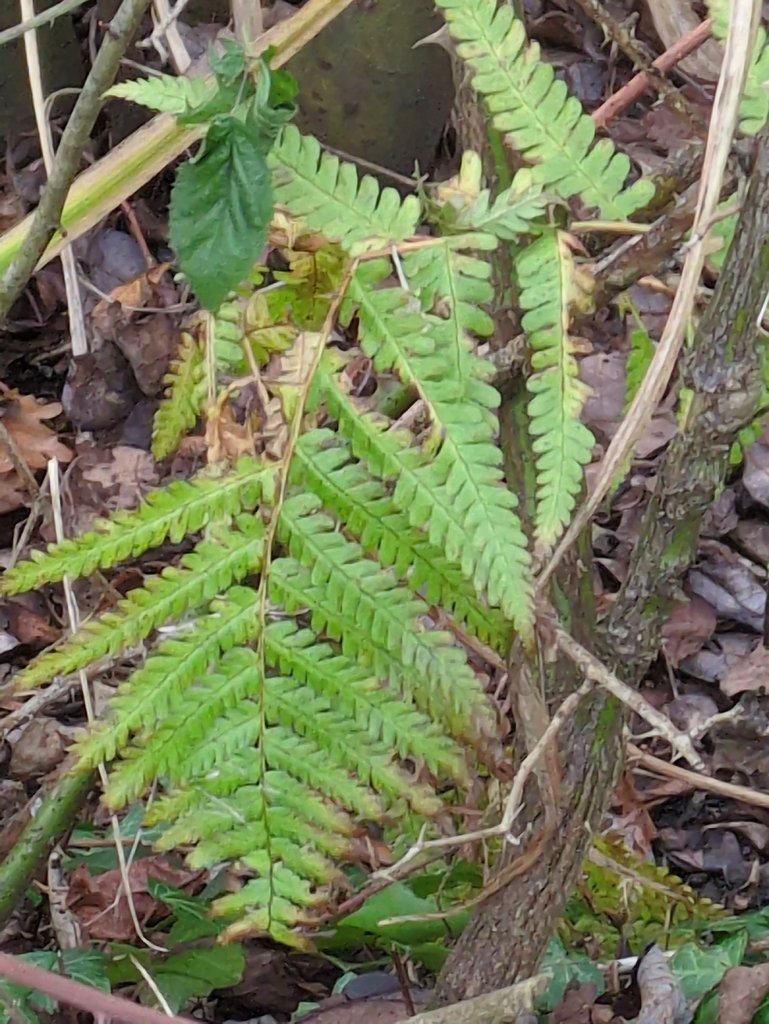
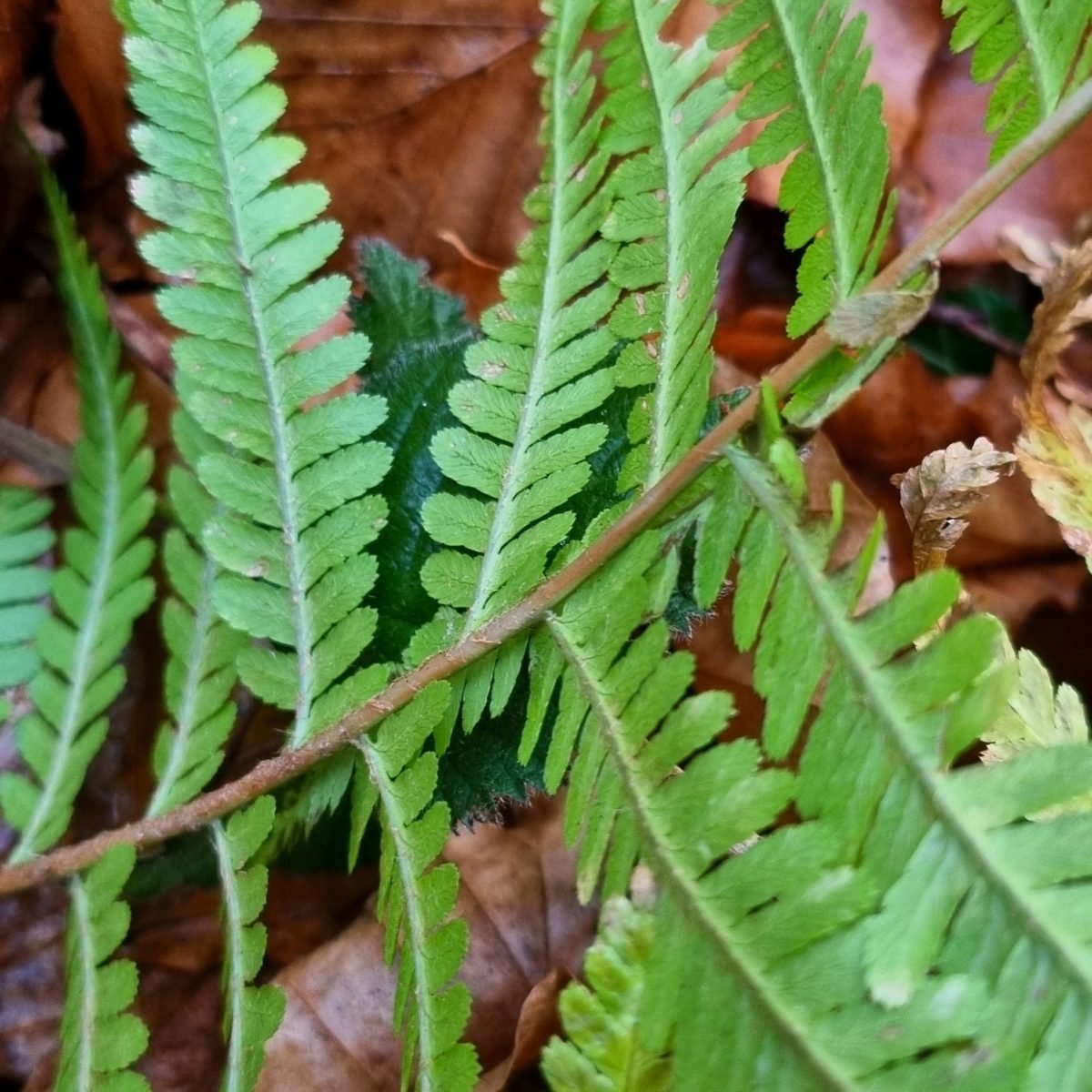
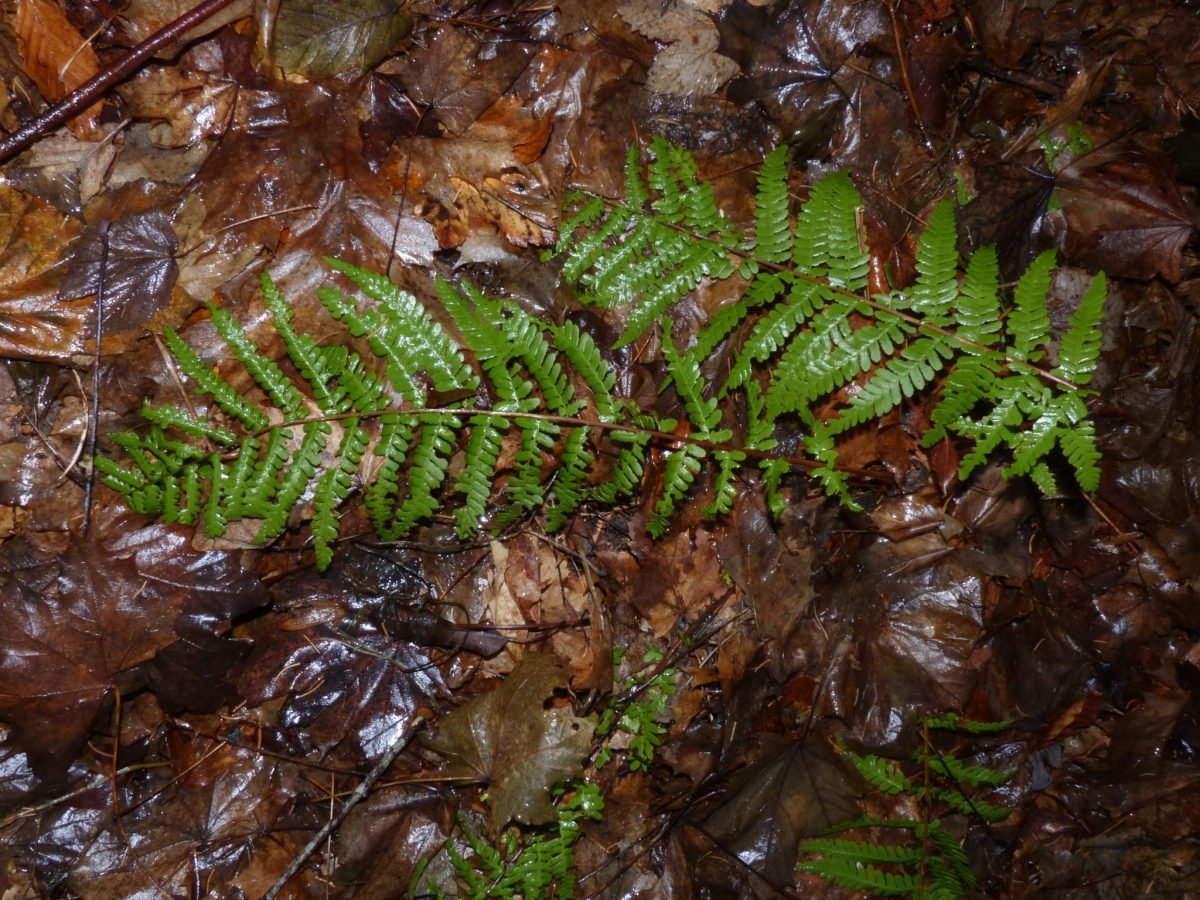
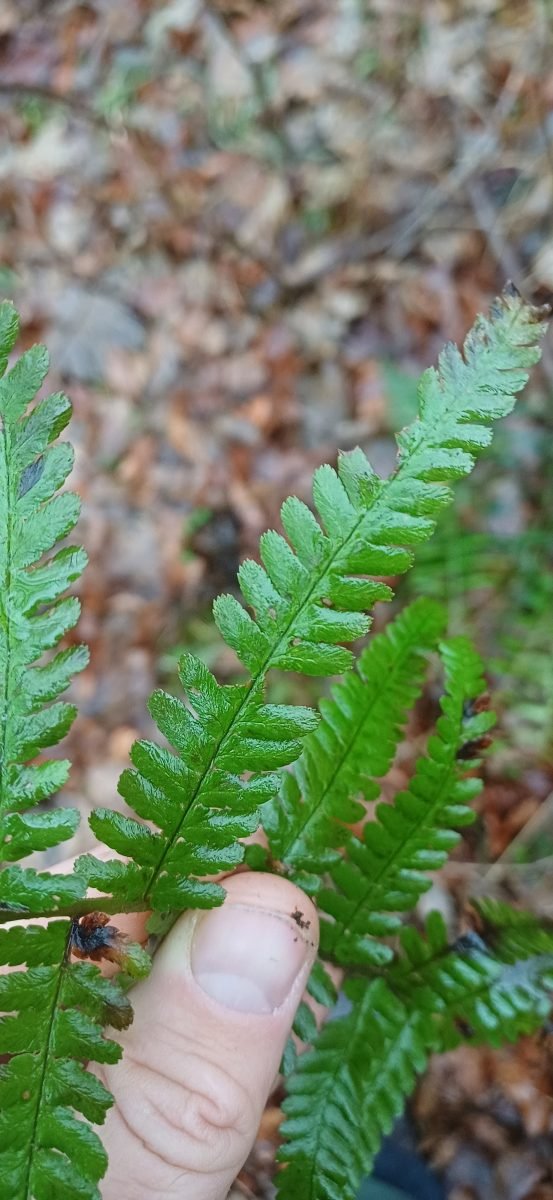
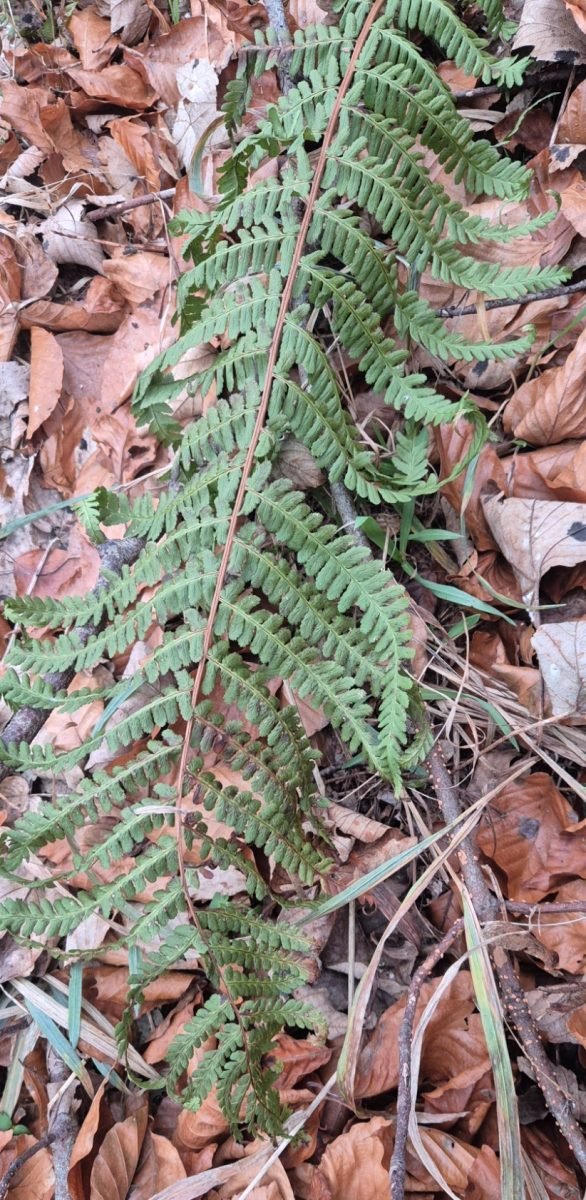
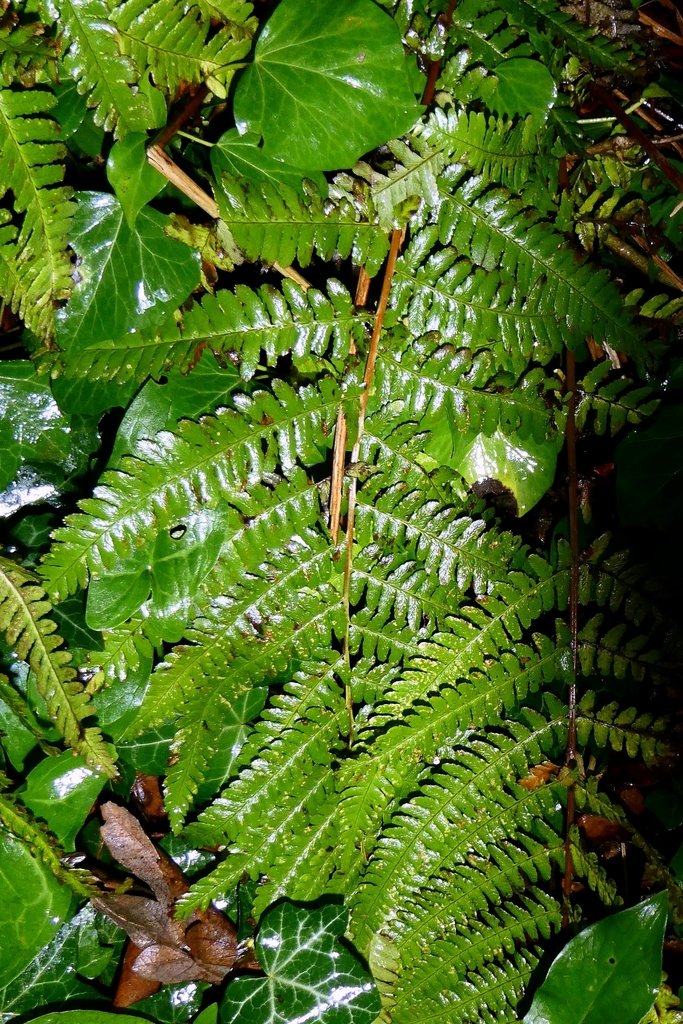
- Botanical name
- Dryopteris filix-mas
- Also known as
- Common Male Fern, Male Fern, Male Shield Fern, Male Wood Fern, Male Woodfern, Male-Fern, Malefern
- Family
- Dryopteridaceae
- Genus
- Dryopteris
- Height
- 90–120 cm
- Spread
- 90–120 cm
- Hardiness
- Fully hardy (RHS H7)
- Reference
- World Flora Online
How to grow Common Male Fern
Partial to full shade; tolerates more sun than most ferns if damp
Moderate; more drought tolerant than most garden ferns once settled
Moist, humus-rich, well-drained
Acid to neutral
Planting
Plant in spring or autumn in shade or part shade with the crown at soil level. It is the most forgiving of the common native ferns and will cope with drier and more exposed shade than lady fern, which makes it the sensible first choice for difficult dark corners.
Pruning
Cut the old fronds back to the base in late winter, before the new croziers unroll. The dying fronds look reasonable through much of the winter and shelter the crown, so there is no benefit in tidying earlier.
Propagation
Divide clumps in spring. It also self-sows into shady damp corners, and seedlings transplant well while small.
Pests and diseases
Very few problems. Vine weevil can damage crowns in containers.
Value to wildlife
The dense crown and old fronds provide overwintering shelter for insects and cover for amphibians.
Notes
The most reliable large fern for general UK garden use. A spring mulch of leafmould keeps the roots cool and reduces the need for watering through summer.
This guidance was researched and written by GardenDecoded — see our editorial policy for how guides are checked and reviewed.
Other names for this plant
These names have all been used for Dryopteris filix-mas but are no longer the accepted name. You may still meet them on old labels, in books, or in nursery catalogues.
Aspidium filix-mas
Dryopteris filix-mas f. filix-mas
Lastrea filix-mas
Nephrodium filix-mas
Polypodium filix-mas
Polystichum filix-mas
Others in Dryopteris
GardenDecoded is an educational gardening reference. Botanical data comes from World Flora Online and GBIF; growing guidance is our own. Always check a plant's toxicity and local invasiveness status before planting, and never eat or apply a plant based on this site alone.