Digitalis × sibirica
Common Foxglove
Digitalis purpurea
L. Species
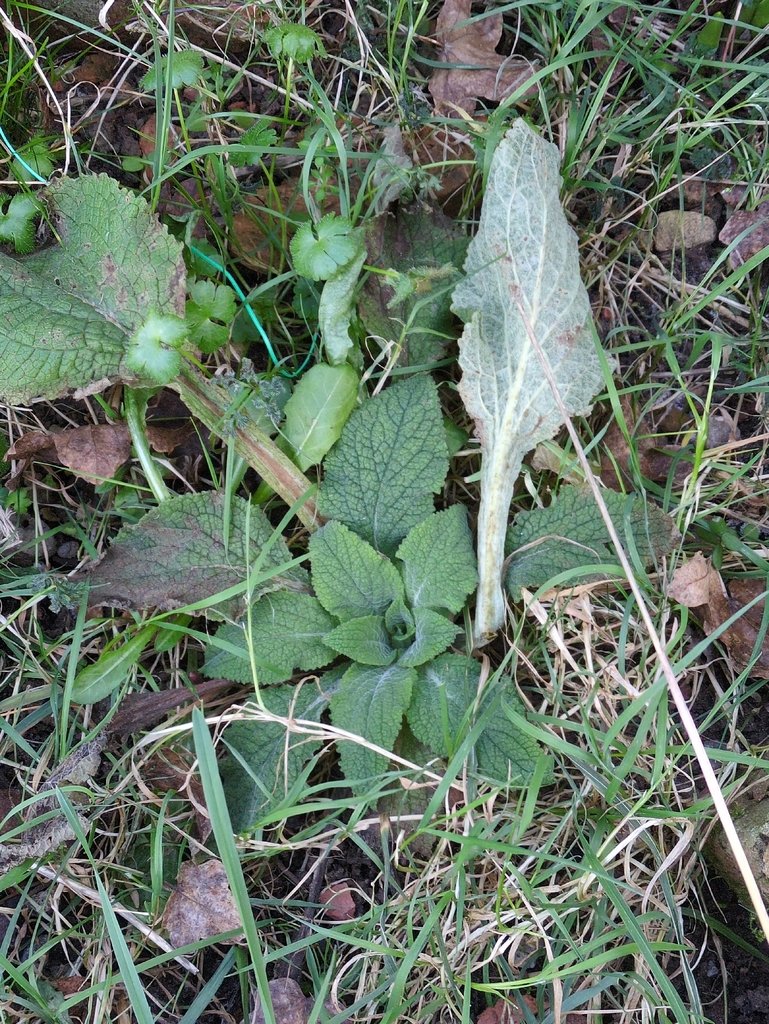
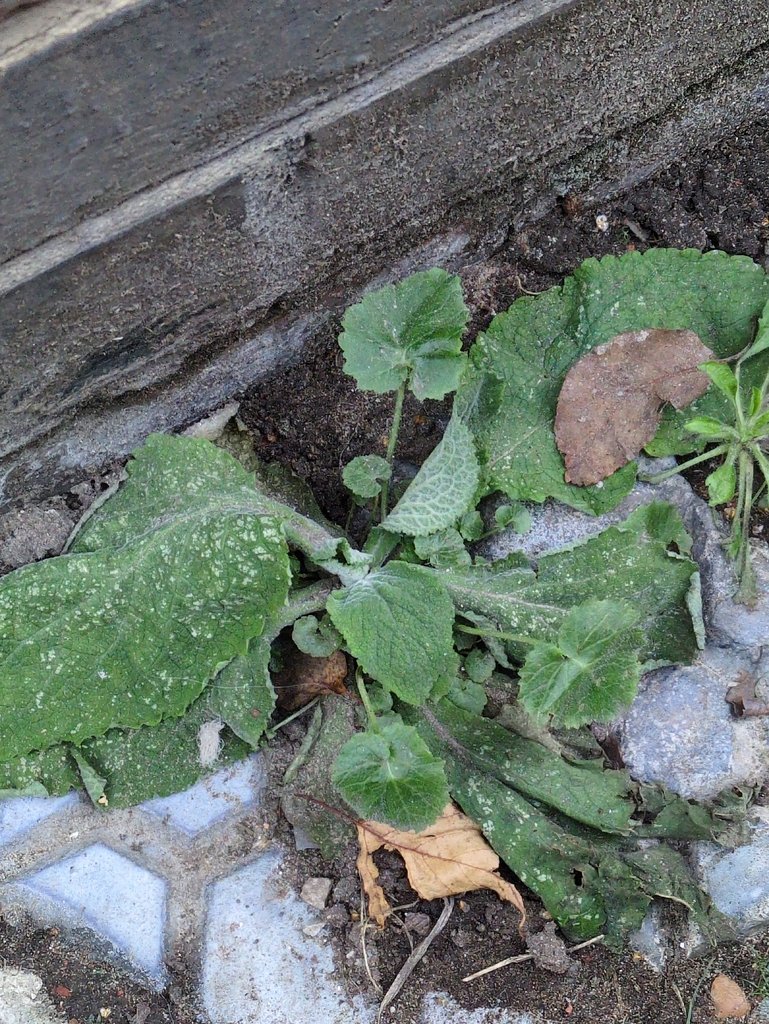
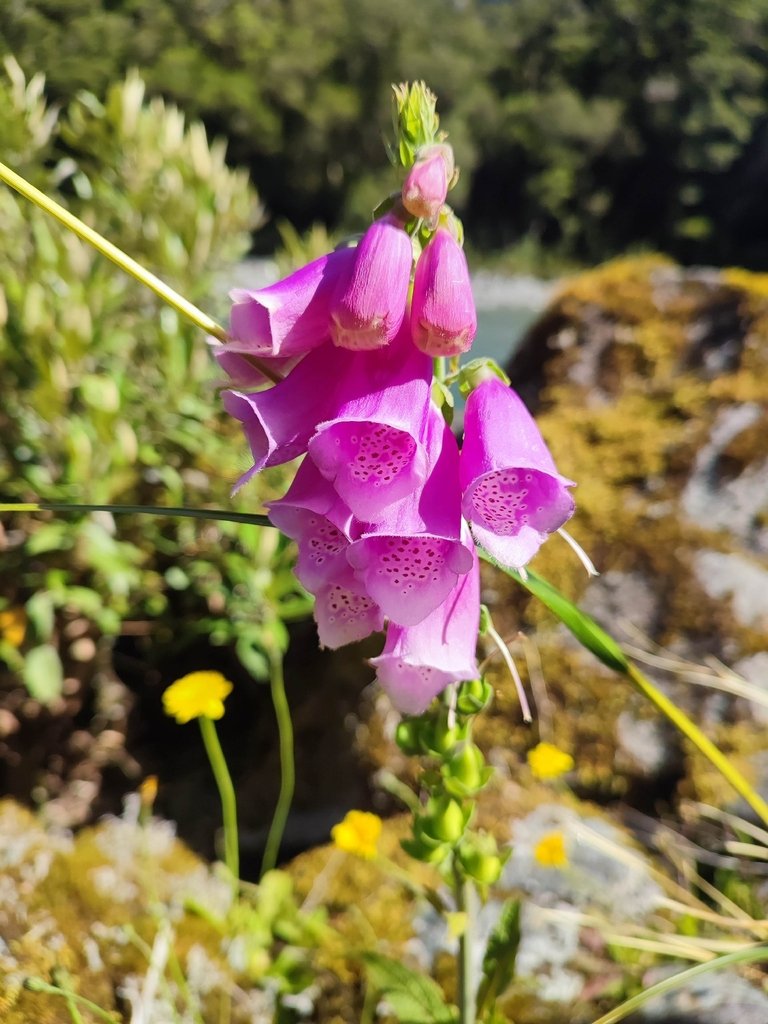
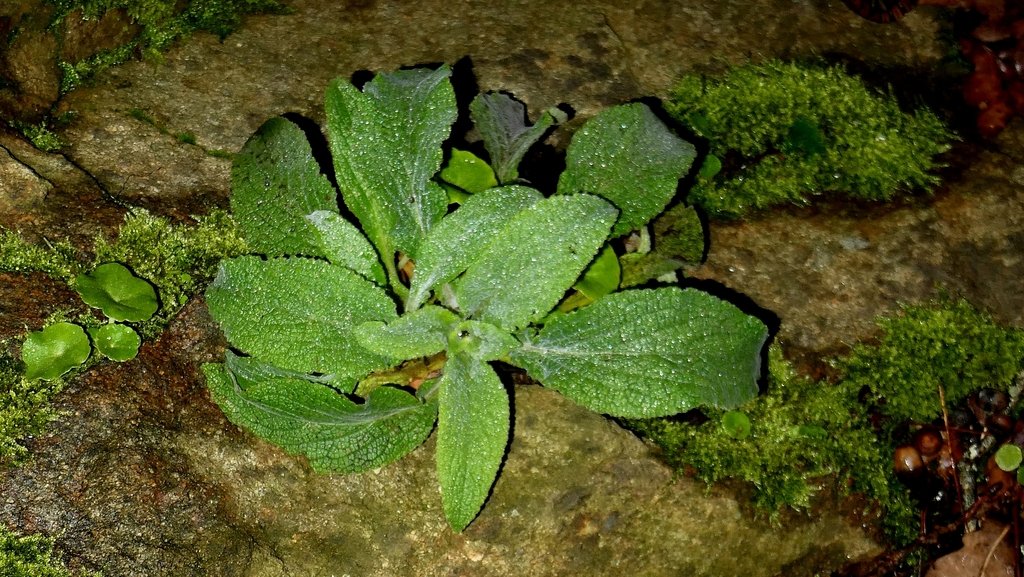
- Botanical name
- Digitalis purpurea
- Also known as
- Common Foxglove, Digitalis, Fairy Cap, Foxglove, Purple Foxglove
- Family
- Plantaginaceae
- Genus
- Digitalis
- Flowering period
- June to July
- Height
- 90–180 cm
- Spread
- 30–60 cm
- Hardiness
- Fully hardy (RHS H6)
- Native range
- Western and central Europe, including the British Isles
- Reference
- World Flora Online
How to grow Common Foxglove
Partial shade to dappled sun
Moderate; keep evenly moist
Moist, humus-rich, well-drained
Acid to neutral
Planting
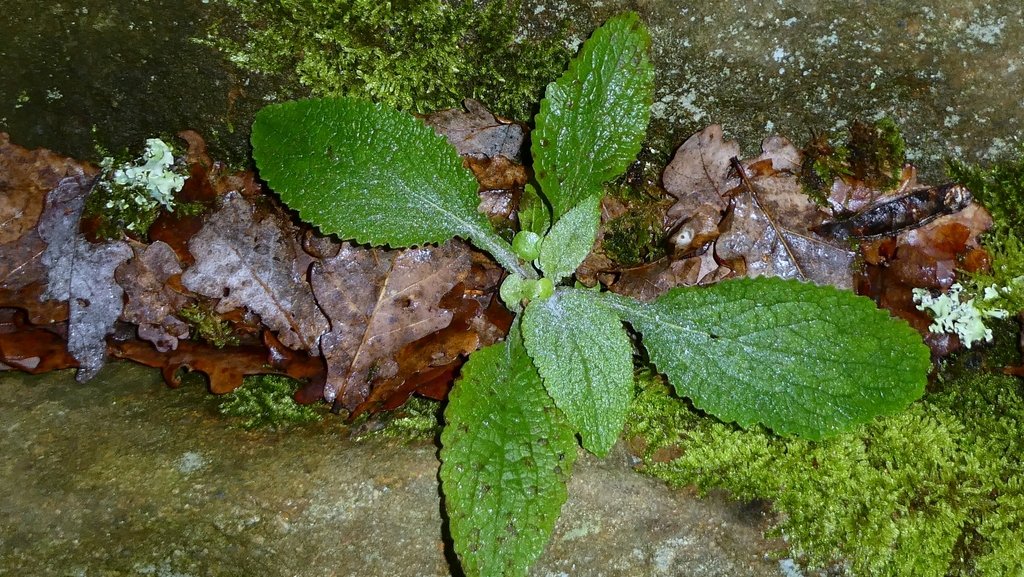
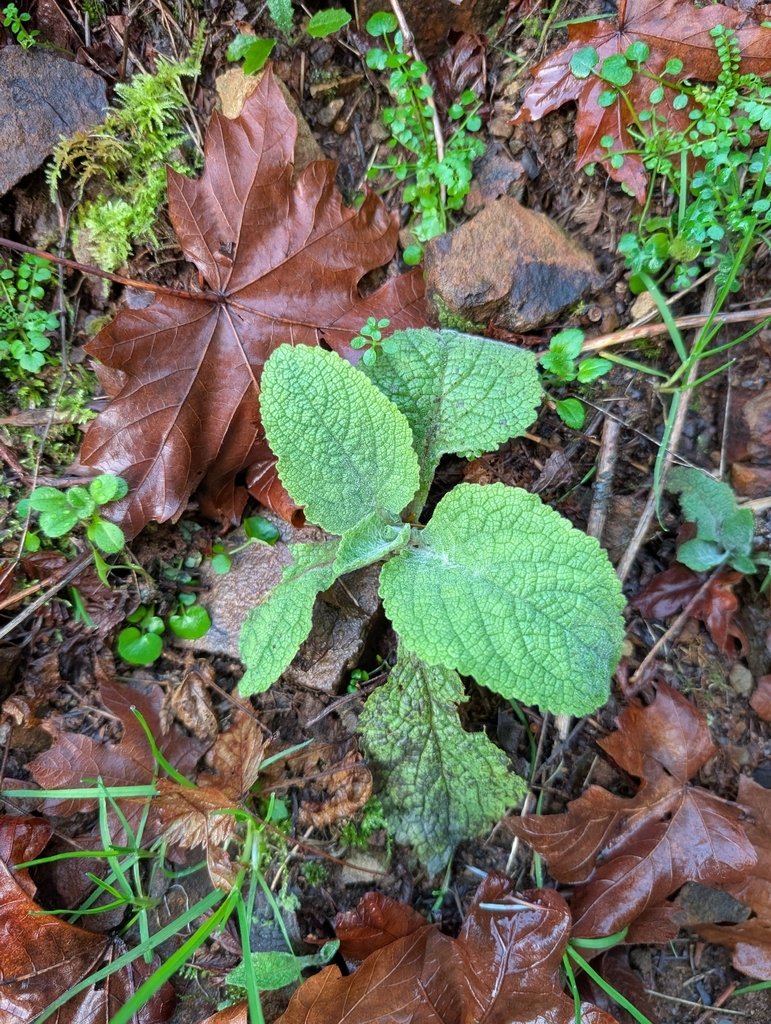
A biennial: it makes a leaf rosette in its first year and flowers in its second, then usually dies. Sow in early summer for flowers the following year, or buy second-year plants for immediate effect.
Happiest at a woodland edge — shade for the roots, light overhead. It self-seeds freely once established, which is the easiest way to keep a colony going.
Pruning
Cut the main spike once the lower flowers have faded and side shoots often follow with a smaller second flush. Leave one or two spikes to set seed if you want the colony to continue; deadhead everything if you do not.
Propagation
From seed, which is fine as dust — sow on the surface and do not cover, as it needs light to germinate. Press onto moist compost and keep it from drying out.
Pests and diseases
Generally trouble-free. Leaf spot and powdery mildew can appear in a dry summer; slugs will graze young rosettes.
Value to wildlife
Excellent for long-tongued bumblebees, which are well matched to the tubular flowers. A staple of a shady wildlife border.
Some structured details on this page (such as tolerances, pH and hardiness) come from USDA PLANTS Database (public domain). The written guidance is GardenDecoded's own, researched as described in our editorial policy.
Toxicity
USDA PLANTS rates this species as having moderate toxicity. Keep it away from children and animals, wash your hands after handling it, and seek medical or veterinary advice immediately if any part is eaten.
Source: USDA PLANTS Database (public domain) — always confirm with an authoritative source before acting on it.
Other names for this plant
These names have all been used for Digitalis purpurea but are no longer the accepted name. You may still meet them on old labels, in books, or in nursery catalogues.
Digitalis campbelliana
Digitalis thapsi
Others in Digitalis
GardenDecoded is an educational gardening reference. Botanical data comes from World Flora Online and GBIF; growing guidance is our own. Always check a plant's toxicity and local invasiveness status before planting, and never eat or apply a plant based on this site alone.