Crataegus × aberrans
Common Hawthorn
Crataegus monogyna
Jacq. Species

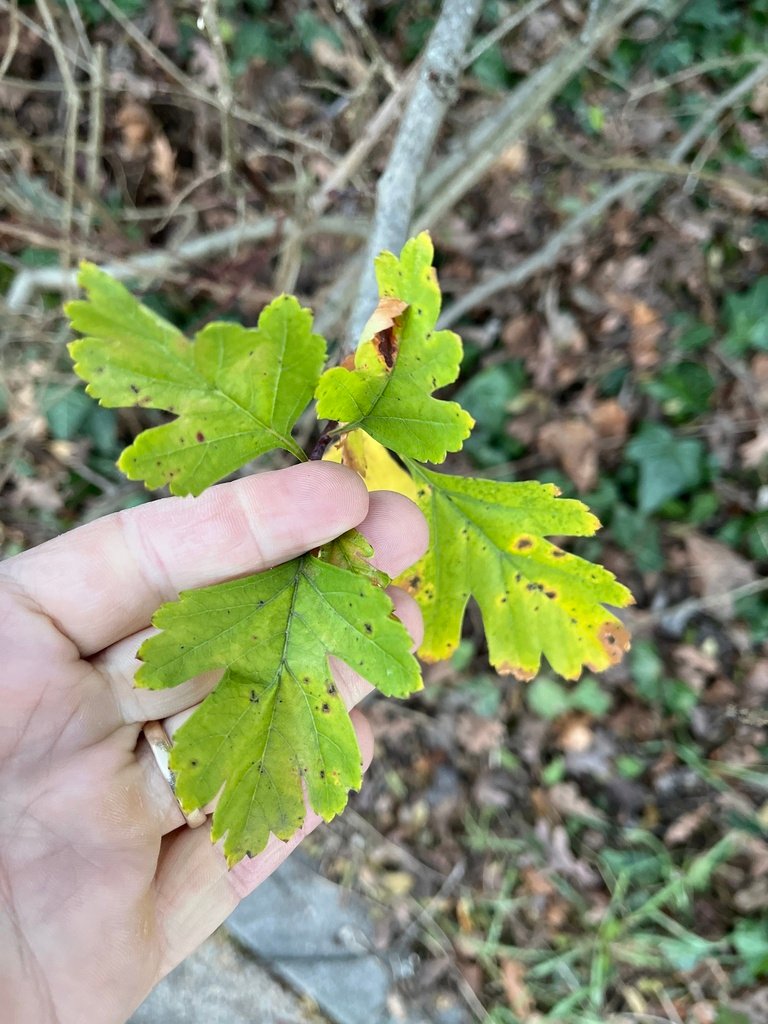
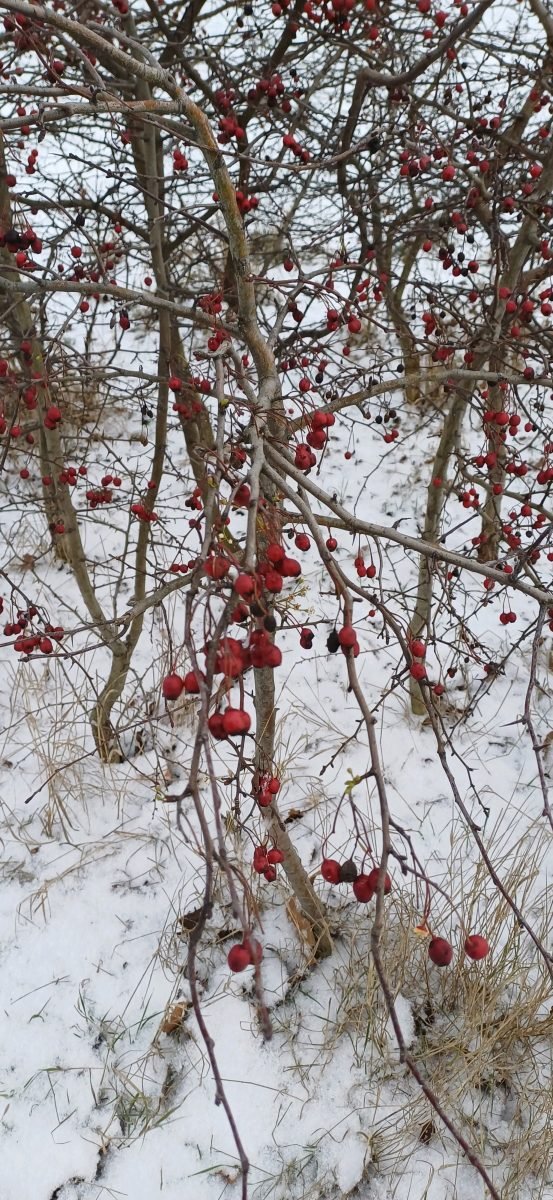
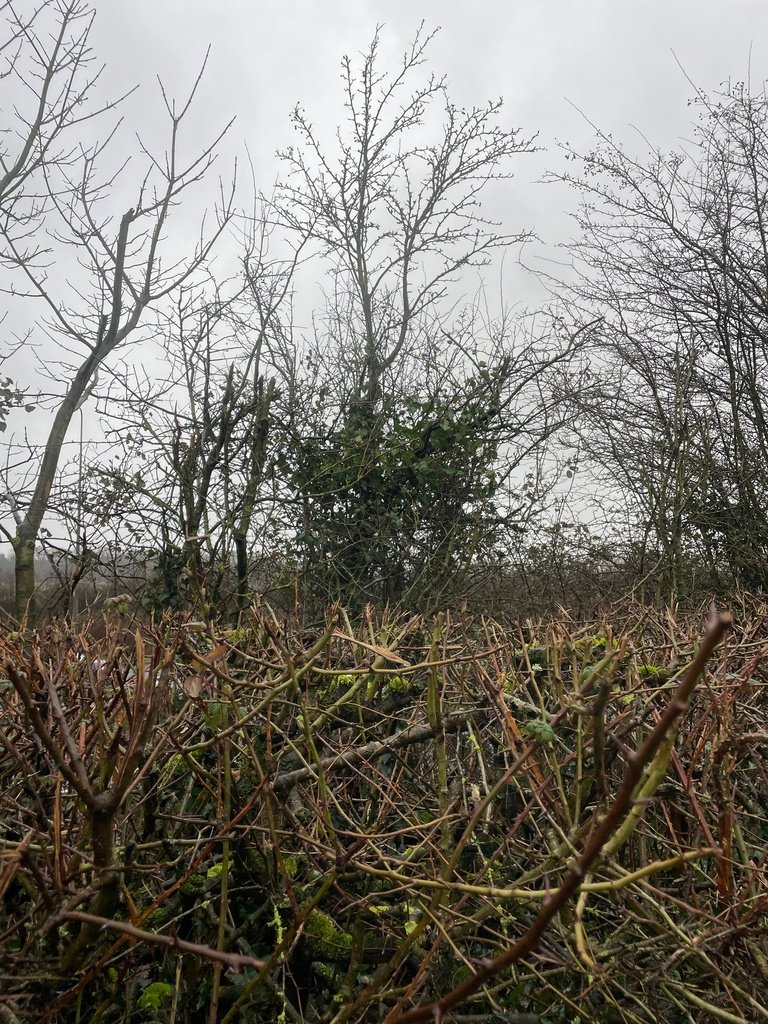


- Botanical name
- Crataegus monogyna
- Also known as
- Common Hawthorn, English Hawthorn, Hawthorn, May Thorn, One-Seeded Hawthorn, Oneseed Hawthorn, Red Hawthorn, Single-Seed Hawthorn, Singleseed Hawthorn, White Thorn
- Family
- Rosaceae
- Genus
- Crataegus
- Flowering period
- May
- Height
- 6–10 m
- Spread
- 5–8 m
- Hardiness
- Fully hardy (RHS H7)
- Reference
- World Flora Online
How to grow Common Hawthorn
Full sun to partial shade
Low; very drought tolerant once established
Almost any soil, including heavy clay, chalk and poor ground
Acid, neutral or alkaline
Planting
The standard native hedging plant, planted bare-root between November and March at around 30 cm spacing, often in a double staggered row. It tolerates exposure, coastal wind, and just about any soil that is not permanently waterlogged.
Pruning
Trim hedges in winter to keep the following spring's blossom, or after flowering if you would rather have the flowers than the berries. It regenerates readily from old wood and can be laid in the traditional way.
Propagation
Seed needs eighteen months or more of alternating warm and cold before it germinates, so most gardeners buy in whips.
Pests and diseases
Powdery mildew and leaf spot are common and cosmetic. Fireblight causes shoots to blacken and die back as though burnt, and affected wood should be cut well below the damage.
Value to wildlife
Among the most valuable native plants for wildlife. It supports large numbers of insect species, gives dense thorny nesting cover, and the autumn haws feed thrushes, redwings and fieldfares.
Notes
As a free-standing tree it is tough, wind-shaped and long-lived. The thorns make it a genuinely stock-proof and intruder-proof boundary, but also unpleasant to prune without gauntlets.
Some structured details on this page (such as tolerances, pH and hardiness) come from USDA PLANTS Database (public domain). The written guidance is GardenDecoded's own, researched as described in our editorial policy.
Other names for this plant
These names have all been used for Crataegus monogyna but are no longer the accepted name. You may still meet them on old labels, in books, or in nursery catalogues.
Azarolus maroccana
Crataegus aegeica
Crataegus aguilaris
Crataegus alemanniensis
Crataegus alemanniensis f. microalemanniensis
Crataegus alemanniensis var. orientobaltica
Crataegus alemanniensis var. subborealis
Crataegus apiifolia
Crataegus azarella
Crataegus azarolus subsp. triloba
Crataegus azarolus var. glabra
Crataegus azarolus var. heterophylla
Crataegus azarolus var. triloba
Crataegus borealoides
Crataegus bracteolaris
Crataegus brevispina
Crataegus brevispina f. subinermis
Crataegus brevispina var. contracta
Crataegus brevispina var. javorkae
Crataegus brevispina var. microphylla
Crataegus bruantii
Crataegus calycina var. cuneata
Crataegus chlorocarpa
Crataegus cuneata
Crataegus curvisepala subsp. colorata
Crataegus curvisepaloides
Crataegus debeauxii
Crataegus destefani
Crataegus dissecta
Crataegus diversifolia
Crataegus elegans
Crataegus fissa
Crataegus floribunda
Crataegus heterophylla
Crataegus hirsuta
Crataegus inermis
Crataegus insegnae
Crataegus integerrima
Crataegus intermedia
Crataegus jaquinii
Crataegus jaquinii var. cylindrocarpa
Crataegus javorkae
Crataegus krima
Crataegus krima
Crataegus krumbholzii
Crataegus laciniata var. decussata
Crataegus laciniata var. lasiocarpa
Crataegus lamprophylla
Crataegus lasiocarpa
Crataegus leiomonogyna
Crataegus lipskyi
Crataegus maroccana
Crataegus maura
Crataegus maura var. diversifolia
Crataegus maura var. maroccana
Crataegus maura var. tarraconensis
Crataegus monogyna f. albanthera
Crataegus monogyna f. aristata-serrata
Crataegus monogyna f. azarella
Crataegus monogyna f. biflora
Others in Crataegus
GardenDecoded is an educational gardening reference. Botanical data comes from World Flora Online and GBIF; growing guidance is our own. Always check a plant's toxicity and local invasiveness status before planting, and never eat or apply a plant based on this site alone.