Clematis acapulcensis
Travellers Joy
Clematis vitalba
L. Species
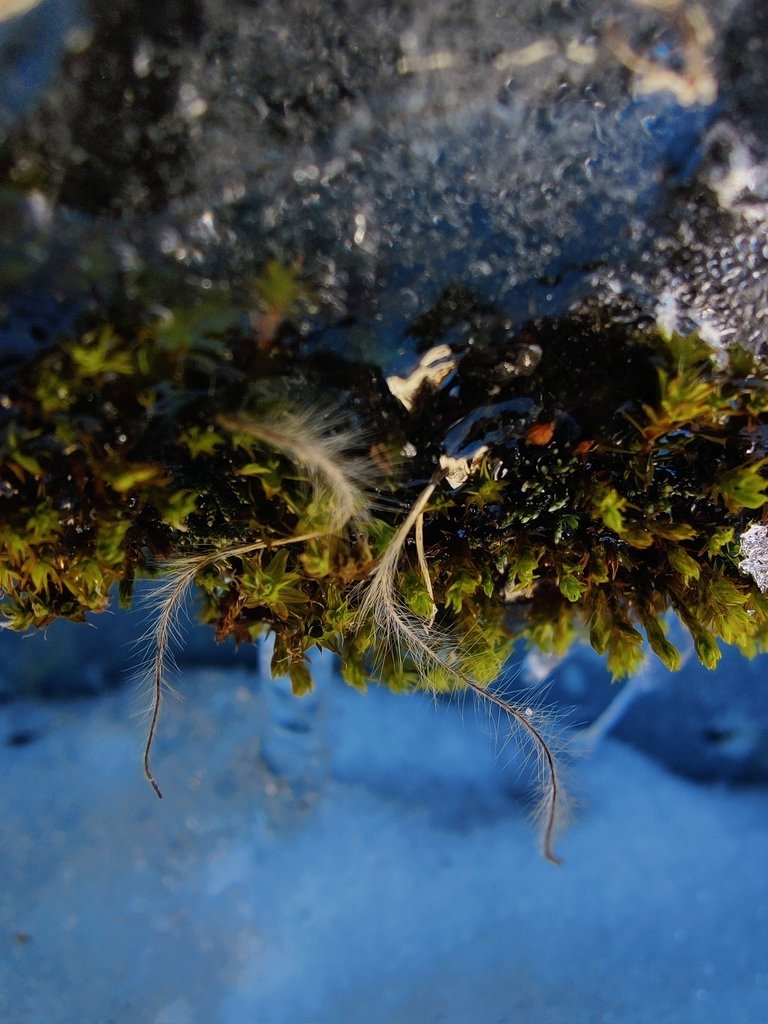


- Botanical name
- Clematis vitalba
- Also known as
- Evergreen Clematis, Old Man's Beard, Old-Man's-Beard, Traveler's Joy, Traveler's-Joy, Traveller's Joy, Traveller's-Joy, Travellers Joy
- Family
- Ranunculaceae
- Genus
- Clematis
- Flowering period
- July to September
- Height
- 8–20 m
- Spread
- 3–8 m
- Hardiness
- Fully hardy (RHS H6)
- Reference
- World Flora Online
How to grow Travellers Joy
Full sun to partial shade
Low once established
Well-drained; strongly favours chalk and limestone
Neutral to alkaline
Planting
Rarely worth planting deliberately in a garden — it is a native hedgerow scrambler that smothers whatever it climbs. If you do want it, give it a substantial dead structure or a large tree it cannot overwhelm, and expect to control it every year.
Pruning
Treat as clematis pruning group 3: cut the whole plant back hard to about 30 cm in late winter. This keeps it within bounds and does not reduce flowering, since it blooms on the current season's growth.
Propagation
It seeds itself abundantly and needs no help. Seedlings appear wherever the fluffy seedheads blow, so deadheading before the seed disperses is the more useful skill.
Pests and diseases
Little troubles it. Clematis wilt, which affects large-flowered hybrids, is not generally a problem with this species.
Value to wildlife
Late nectar for hoverflies and bees when much else is over, and the tangled growth gives good nesting cover. The silvery autumn seedheads are used as nest lining by some birds.
Notes
In gardens near open countryside its self-seeding is a genuine nuisance, and in some parts of the world it is a listed invasive weed. On chalk downland it can pull down young trees under sheer weight. Consider a well-behaved garden clematis instead unless you specifically want the native for a wild hedge.
This guidance was researched and written by GardenDecoded — see our editorial policy for how guides are checked and reviewed.
Other names for this plant
These names have all been used for Clematis vitalba but are no longer the accepted name. You may still meet them on old labels, in books, or in nursery catalogues.
Anemone vitalba
Clematis bannatica
Clematis bellojocensis
Clematis crenata
Clematis dumosa
Clematis dumosa
Clematis odontophylla
Clematis pilosa
Clematis scandens
Clematis sepium
Clematis taurica
Clematis transiens
Clematis vitalba var. angustiloba
Clematis vitalba var. angustisecta
Clematis vitalba var. bannatica
Clematis vitalba var. cordata
Clematis vitalba var. integra
Clematis vitalba var. simplicifolia
Clematis vitalba var. syriaca
Clematis vitalba var. timbali
Clematitis vitalba
Viorna clematitis
Others in Clematis
GardenDecoded is an educational gardening reference. Botanical data comes from World Flora Online and GBIF; growing guidance is our own. Always check a plant's toxicity and local invasiveness status before planting, and never eat or apply a plant based on this site alone.