Cistus creticus subsp. creticus
Grey-Leaf Cistus
Cistus albidus
L. Species

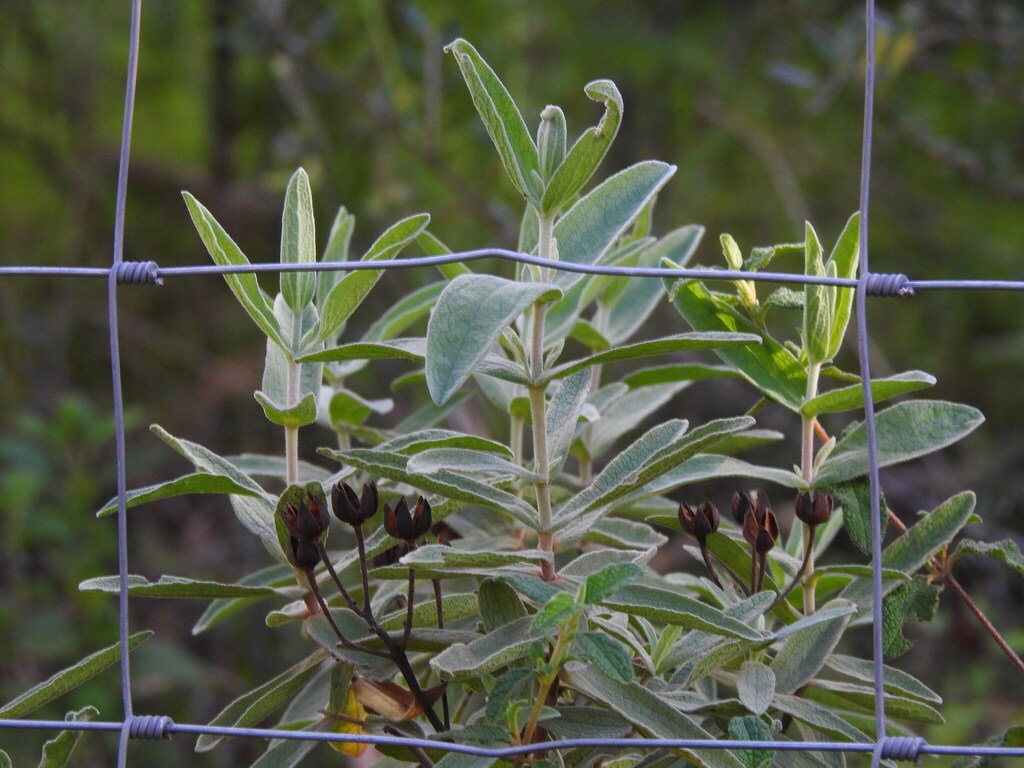
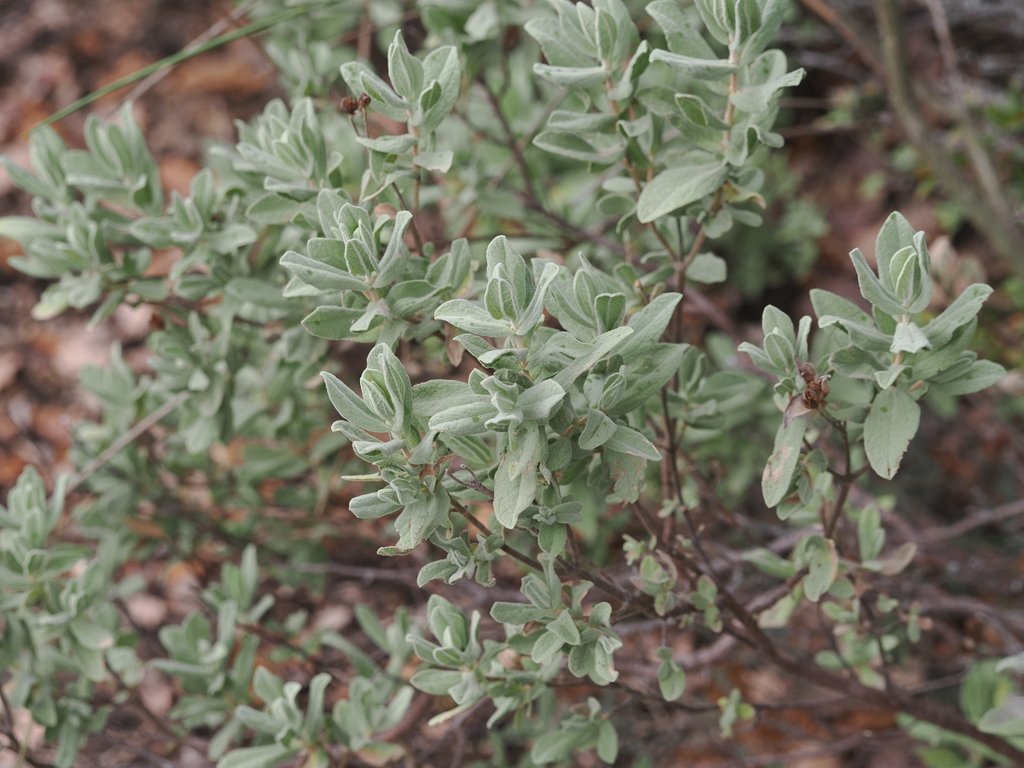
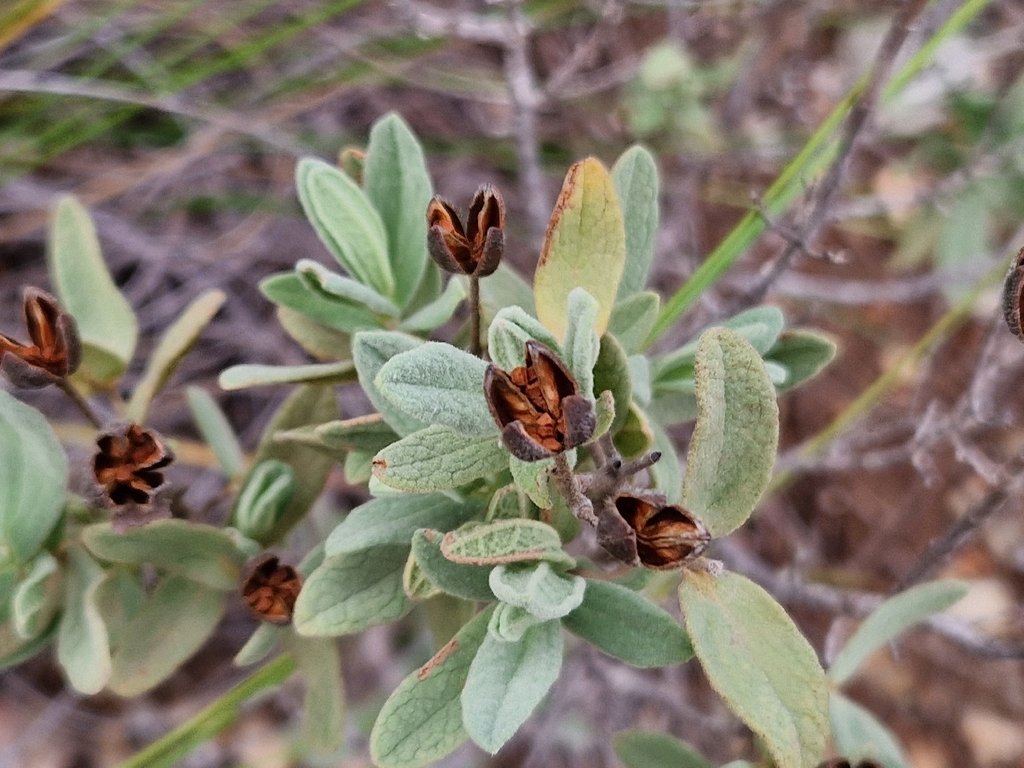
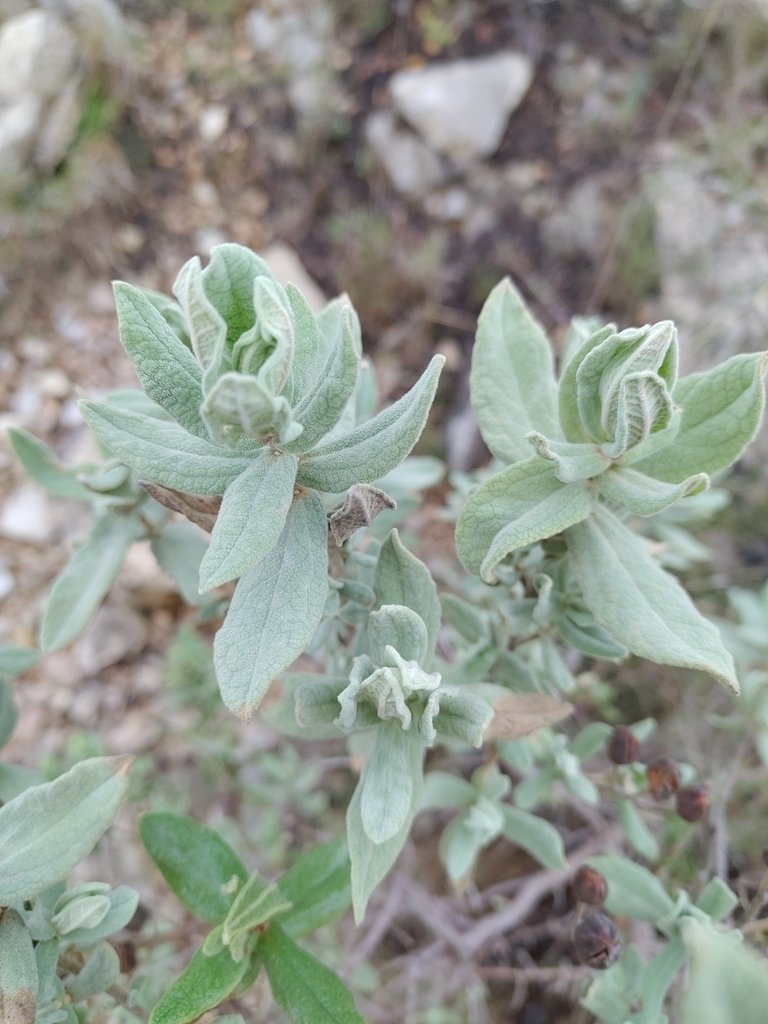

- Botanical name
- Cistus albidus
- Also known as
- Grey-Leaf Cistus, Grey-Leaved Cistus, White-Leaf Rock-Rose
- Family
- Cistaceae
- Genus
- Cistus
- Flowering period
- May to June
- Height
- 80–120 cm
- Spread
- 80–120 cm
- Hardiness
- Hardy in mild or coastal areas (RHS H3)
- Reference
- World Flora Online
How to grow Grey-Leaf Cistus
Full sun
Low; drought-tolerant and resents summer watering once established
Poor, stony, sharply drained
Neutral to alkaline
Planting
Plant in spring so it has a full season to establish before its first winter. It needs the hottest, driest, sharpest-drained spot in the garden - a gravel bed, a raised bank or the foot of a south wall. Do not enrich the soil.
Pruning
Pinch or lightly trim young plants to keep them bushy. Do not cut back into old wood - it will not reshoot, and the plant is likely to die. Deadheading is not practical or necessary.
Propagation
Semi-ripe cuttings in late summer, which is worth doing routinely given how short-lived the plant is.
Pests and diseases
Usually trouble-free. Losses are almost always caused by cold combined with winter wet rather than by pests.
Value to wildlife
The papery flowers, which each last a single day, are visited by bees through the morning.
Notes
Short-lived by nature - five to eight years is typical, and a hard winter can end it sooner. Keep a rooted cutting or two coming on, and accept it as a plant to be replaced rather than nursed. In cold or wet gardens it is better grown in a pot that can be moved under cover.
This guidance was researched and written by GardenDecoded — see our editorial policy for how guides are checked and reviewed.
Other names for this plant
These names have all been used for Cistus albidus but are no longer the accepted name. You may still meet them on old labels, in books, or in nursery catalogues.
Cistus albeerensis var. barcinonensis
Cistus albereensis
Cistus albidus f. albus
Cistus albidus f. platyphyllus
Cistus albidus f. typicus
Cistus albidus var. albus
Cistus albidus var. angustifolius
Cistus albidus var. anthyllidetorum
Cistus albidus var. attenuatifolius
Cistus albidus var. grandifolius
Cistus albidus var. latifolius
Cistus albidus var. longifolius
Cistus albidus var. microcarpus
Cistus albidus var. parvifolius
Cistus albidus var. stenophyllus
Cistus vulgaris var. albidus
Cistus vulgaris var. sessilifolius
Others in Cistus
GardenDecoded is an educational gardening reference. Botanical data comes from World Flora Online and GBIF; growing guidance is our own. Always check a plant's toxicity and local invasiveness status before planting, and never eat or apply a plant based on this site alone.