Cercis canadensis subsp. texensis
Judas Tree
Cercis siliquastrum
L. Species



- Botanical name
- Cercis siliquastrum
- Also known as
- Judas Tree, Judas-Tree, Judastree, Lovetree
- Family
- Fabaceae
- Genus
- Cercis
- Flowering period
- April to May
- Height
- 6–10 m
- Spread
- 5–10 m
- Hardiness
- Hardy (RHS H5)
- Reference
- World Flora Online
How to grow Judas Tree
Full sun
Low once established; drought tolerant
Well-drained; tolerates poor and chalky soils
Neutral to alkaline
Planting
Plant young, in spring, in a warm sheltered spot with sharp drainage. It resents root disturbance, so move it as small as you can and avoid transplanting an established tree. Cold wet winter soil is the main cause of failure.
Pruning
Prune as little as possible; it does not respond well to hard cutting. Remove dead or crossing wood in late summer only.
Propagation
Seed germinates after scarification and cold treatment, but growth is slow and plants take many years to flower.
Pests and diseases
Coral spot can colonise dead or damaged wood, showing as pink-orange pustules; cut back to healthy growth. Verticillium wilt causes sudden branch dieback.
Value to wildlife
Early flowers give bees a nectar source before most trees are out, though it is a Mediterranean species with little value to specialist native insects.
Notes
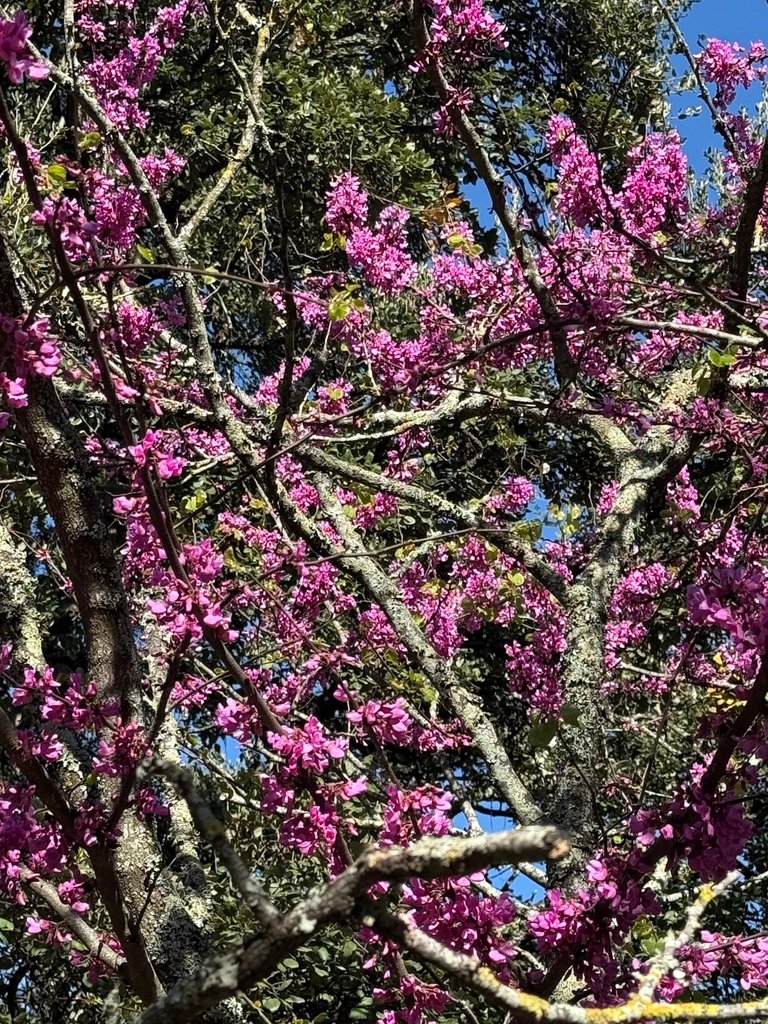
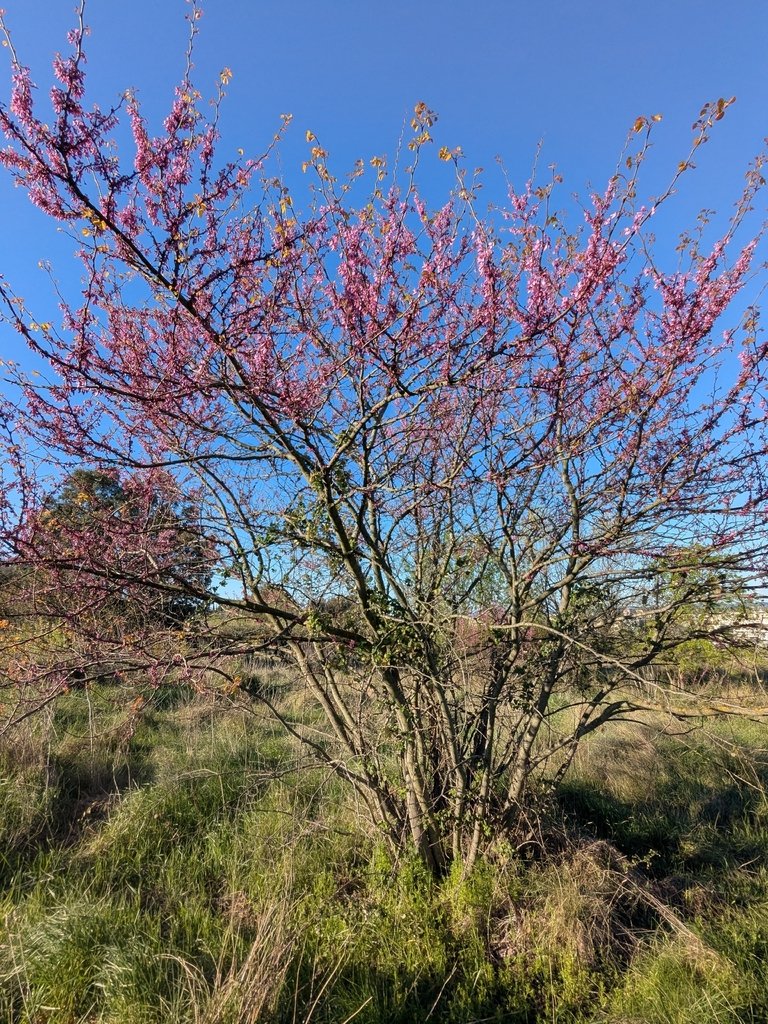
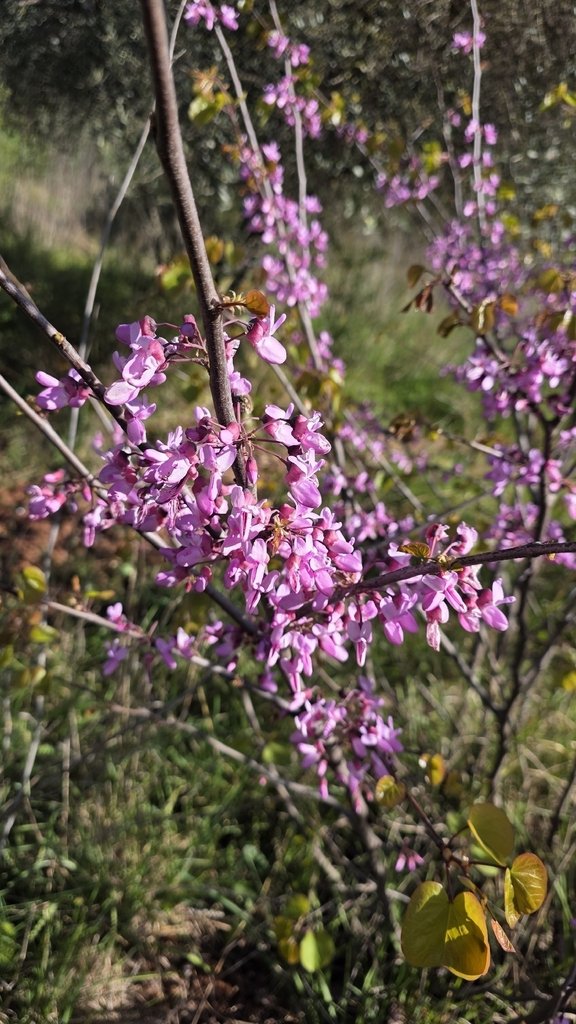
The magenta-pink flowers come straight out of the bare branches and even the trunk, before the rounded leaves appear. It is slow to establish and can take a decade to start flowering properly.
This guidance was researched and written by GardenDecoded — see our editorial policy for how guides are checked and reviewed.
Other names for this plant
These names have all been used for Cercis siliquastrum but are no longer the accepted name. You may still meet them on old labels, in books, or in nursery catalogues.
Cercis florida
Siliquastrum orbicularis
Others in Cercis
GardenDecoded is an educational gardening reference. Botanical data comes from World Flora Online and GBIF; growing guidance is our own. Always check a plant's toxicity and local invasiveness status before planting, and never eat or apply a plant based on this site alone.