Celtica gigantea subsp. donyanae
Giant feather grass, golden oats
Celtica gigantea
(Link) F.M.Vázquez & Barkworth Species


- Botanical name
- Celtica gigantea
- Family
- Poaceae
- Genus
- Celtica
- Flowering period
- June to July
- Height
- 180–250 cm
- Spread
- 90–120 cm
- Hardiness
- Hardy (RHS H5)
- Reference
- World Flora Online
How to grow Giant feather grass, golden oats
Full sun
Low once established; drought tolerant
Light, free-draining, moderately fertile; dislikes winter wet
Neutral to alkaline
Planting
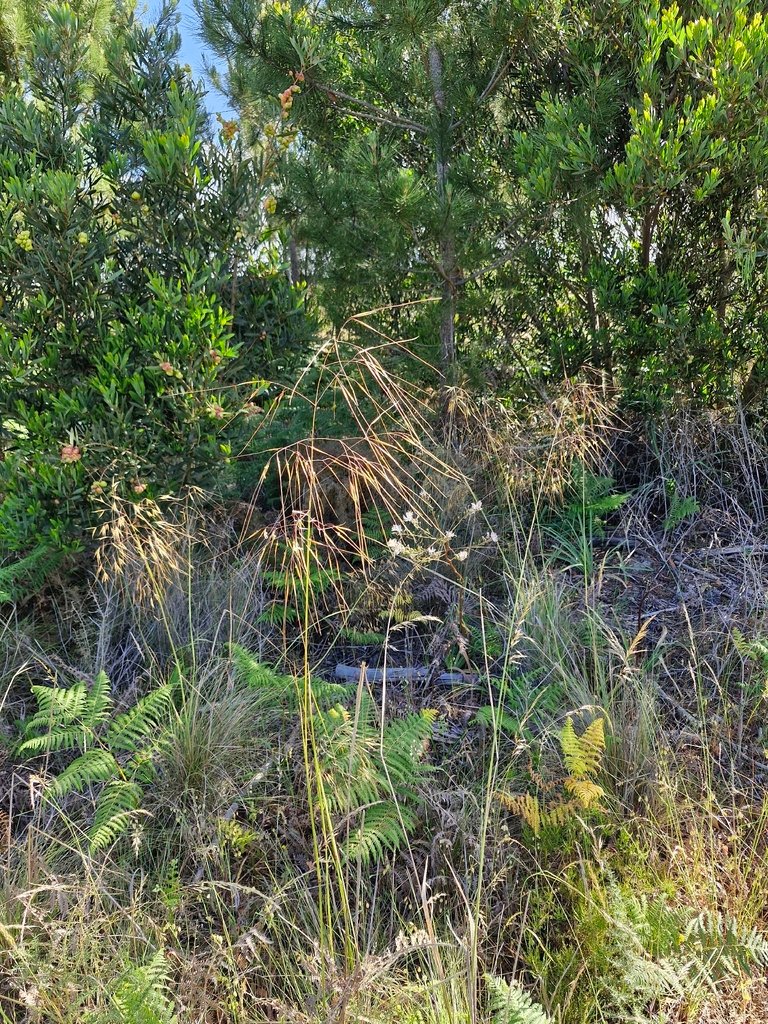
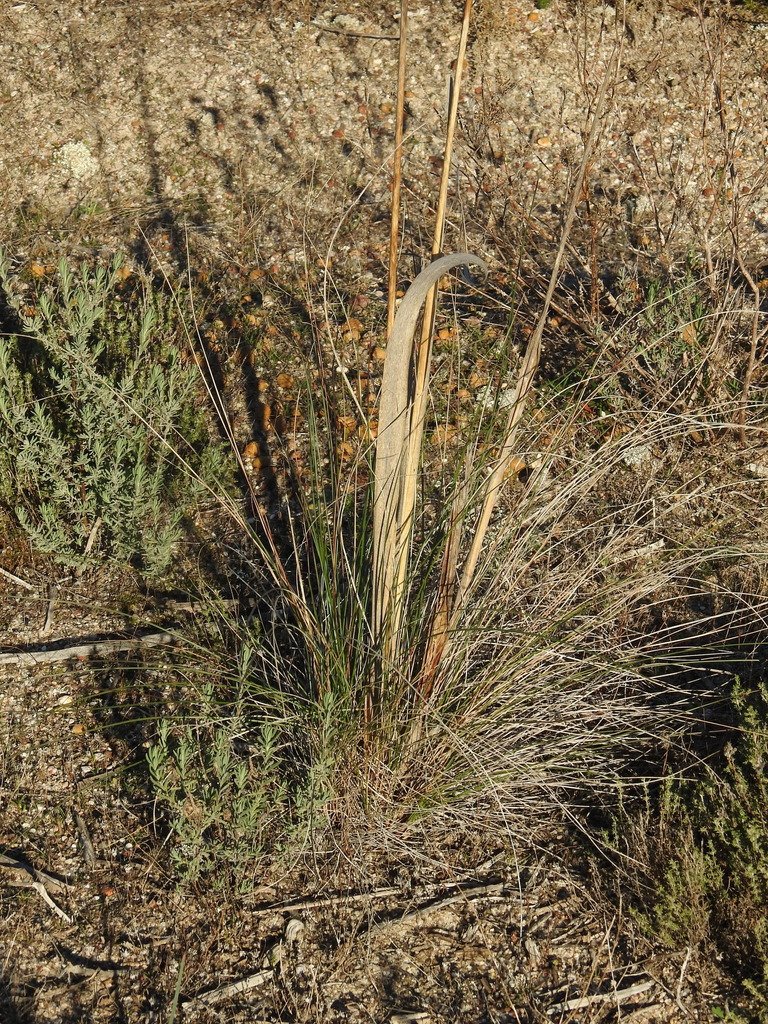
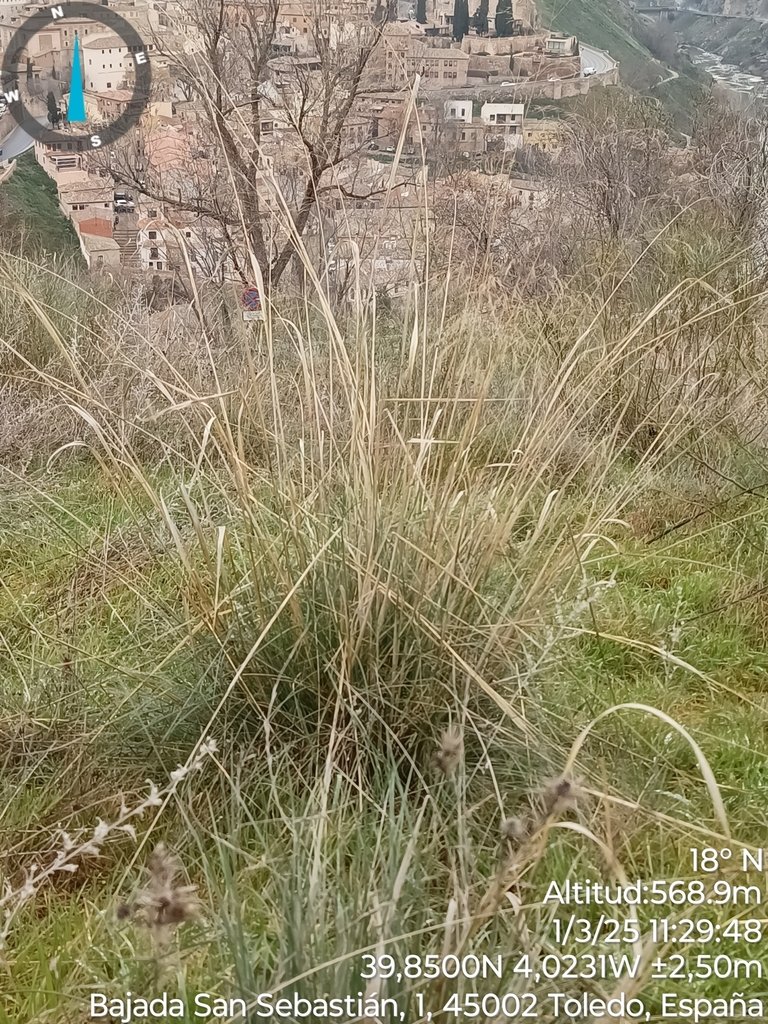
Plant in spring in full sun and sharp drainage — heavy wet soil in winter is the main cause of losses. The foliage mound is low, around 60 cm, but the flowering stems shoot well above it, so it can be planted nearer the front of a border than its overall height suggests and viewed through.
Pruning
Semi-evergreen. Do not shear it to the ground. Comb out dead leaves by hand in spring and cut the old flowering stems off at the base — though many gardeners leave them standing well into winter for the shape.
Propagation
Division in spring, though it re-establishes slowly and resents disturbance. Seed is a reasonable alternative but plants take a few years to reach flowering size.
Pests and diseases
No significant pests. Failure is usually cold wet soil rather than cold air.
Notes
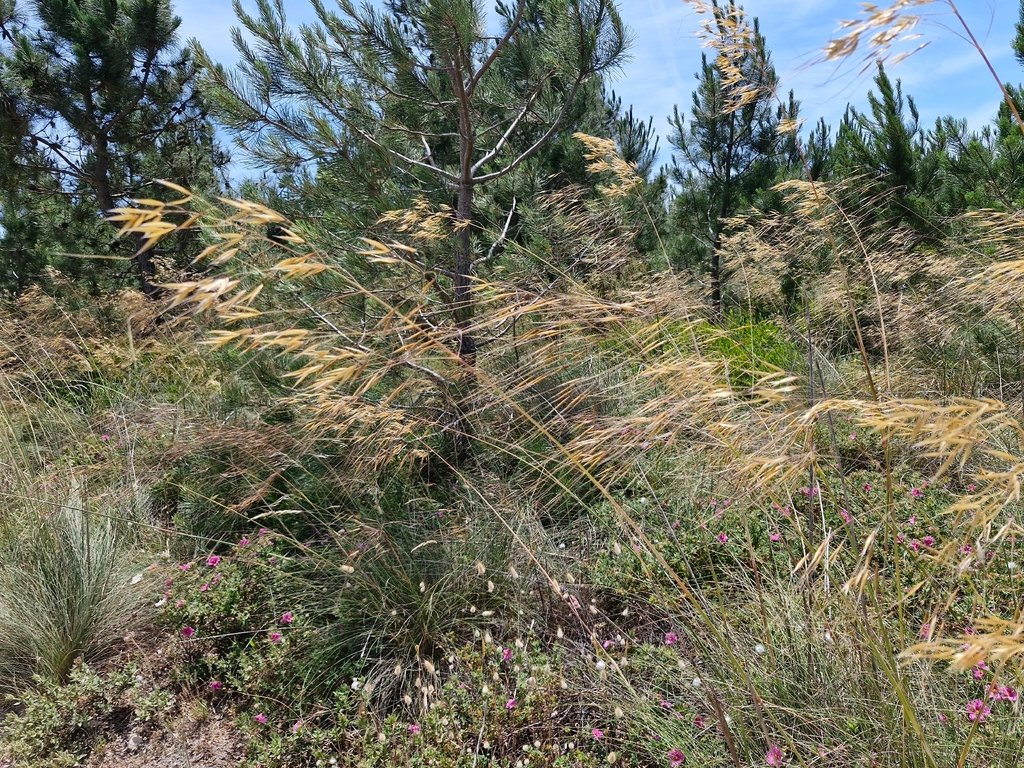
Still widely sold and catalogued as Stipa gigantea, which is the name most nurseries use. The tall oat-like flowering stems catch low sun and hold well from midsummer into autumn, so give it a position where it is lit from behind.
This guidance was researched and written by GardenDecoded — see our editorial policy for how guides are checked and reviewed.
Other names for this plant
These names have all been used for Celtica gigantea but are no longer the accepted name. You may still meet them on old labels, in books, or in nursery catalogues.
Lasiagrostis gigantea
Macrochloa gigantea
Stipa gigantea
Others in Celtica
GardenDecoded is an educational gardening reference. Botanical data comes from World Flora Online and GBIF; growing guidance is our own. Always check a plant's toxicity and local invasiveness status before planting, and never eat or apply a plant based on this site alone.