Ceanothus × lobbianus
California-Lilac
Ceanothus thyrsiflorus
Eschsch. Species

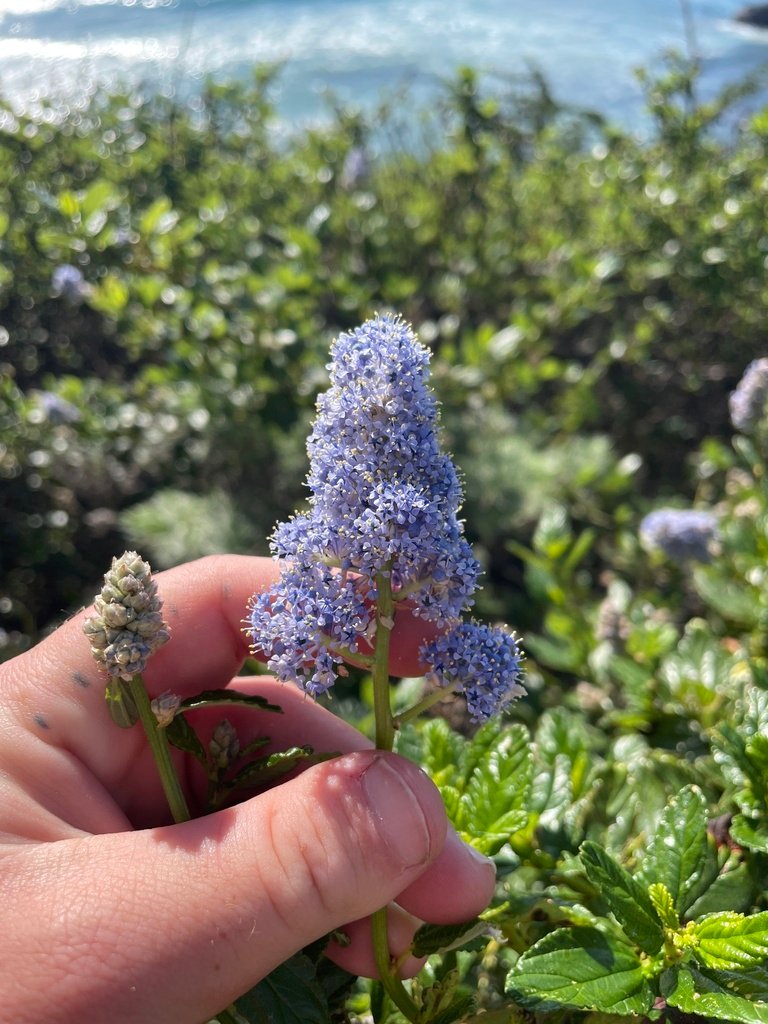


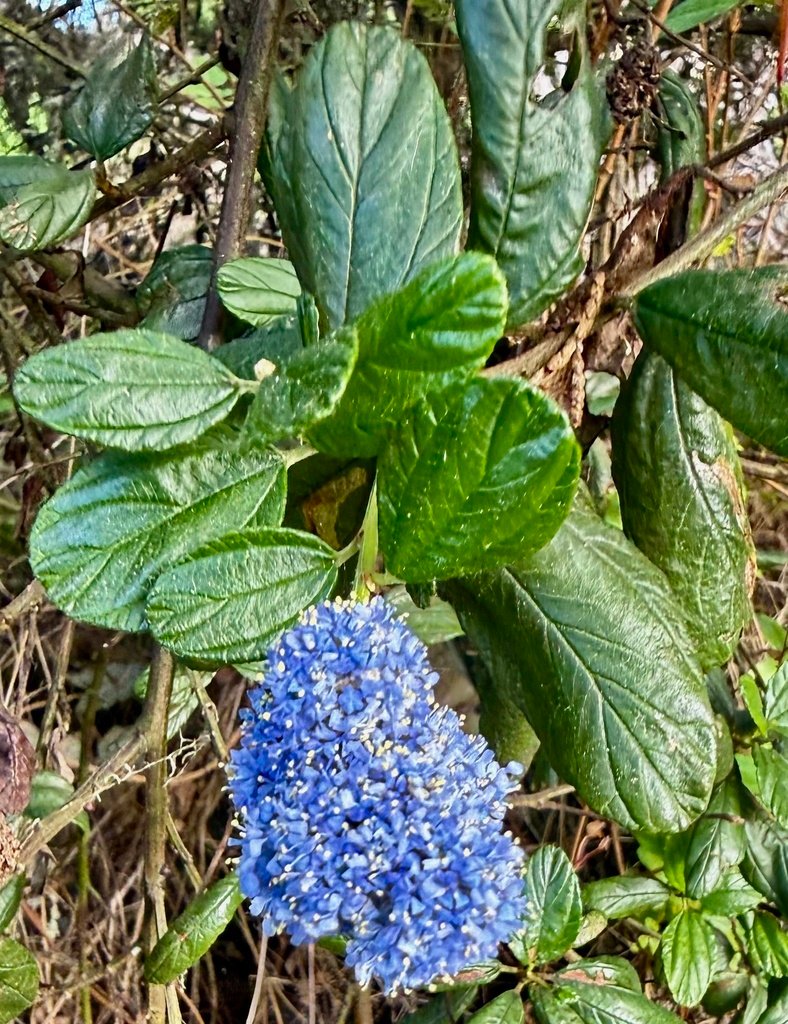

- Botanical name
- Ceanothus thyrsiflorus
- Also known as
- Blueblossum, Bluebrush, California-Lilac
- Family
- Rhamnaceae
- Genus
- Ceanothus
- Flowering period
- May to June
- Height
- 3–6 m
- Spread
- 3–5 m
- Hardiness
- Hardy in most of the UK (RHS H4)
- Reference
- World Flora Online
How to grow California-Lilac
Full sun
Low once established; drought-tolerant
Light, sharply drained; dislikes heavy wet clay
Neutral to slightly alkaline
Planting
Plant in spring rather than autumn so it establishes before winter. Give it a warm, sheltered wall or a sunny sharply drained bank. Do not overfeed or improve the soil much - lean conditions produce tougher, longer-lived plants.
Pruning
Trim lightly straight after flowering, taking off no more than the current season's growth. It does not reshoot from old bare wood, so hard pruning generally kills it. If it has outgrown its space, replacement is usually the realistic answer.
Propagation
Semi-ripe cuttings in late summer.
Pests and diseases
Usually trouble-free. Sudden branch or whole-plant death is common and normally down to cold, wet roots rather than disease.
Value to wildlife
The dense blue flowerheads are heavily worked by bees for the few weeks they are open.
Notes
Treat it as a relatively short-lived shrub - ten to fifteen years is a good run, and less on clay or in a cold garden. Wind rock on an exposed site loosens the roots, so stake young plants or site them against a wall.
This guidance was researched and written by GardenDecoded — see our editorial policy for how guides are checked and reviewed.
Other names for this plant
These names have all been used for Ceanothus thyrsiflorus but are no longer the accepted name. You may still meet them on old labels, in books, or in nursery catalogues.
Ceanothus elegans
Ceanothus thyrsiflorus var. chandleri
Ceanothus thyrsiflorus var. repens
Ceanothus thyrsiflorus var. thyrsiflorus
Forrestia thyrsoides
Others in Ceanothus
GardenDecoded is an educational gardening reference. Botanical data comes from World Flora Online and GBIF; growing guidance is our own. Always check a plant's toxicity and local invasiveness status before planting, and never eat or apply a plant based on this site alone.