Castanea × neglecta
European Chestnut
Castanea sativa
Mill. Species


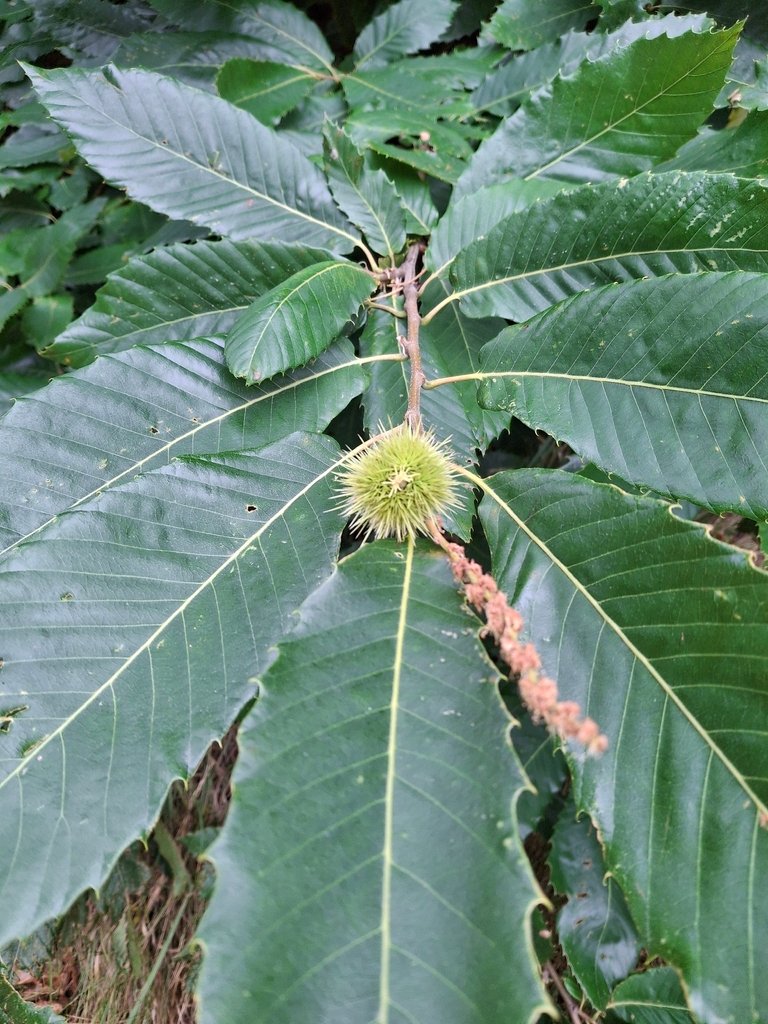
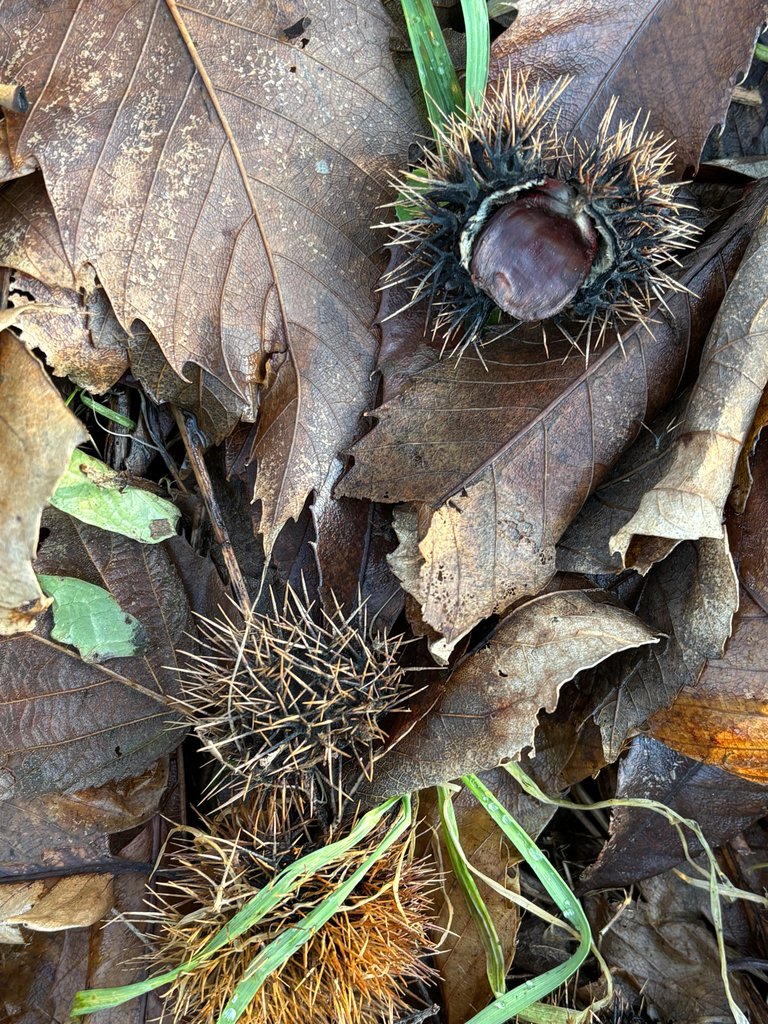

- Botanical name
- Castanea sativa
- Also known as
- European Chestnut, Spanish Chestnut, Sweet Chestnut
- Family
- Fagaceae
- Genus
- Castanea
- Flowering period
- July
- Height
- 20–30 m
- Spread
- 12–20 m
- Hardiness
- Fully hardy (RHS H6)
- Reference
- World Flora Online
How to grow European Chestnut
Full sun
Low once established
Deep, light, well-drained; dislikes shallow chalk and heavy wet clay
Acid to neutral
Planting
A large, long-lived tree for parkland and big gardens only. It wants deep, free-draining and preferably slightly acid soil, and performs poorly on chalk. Plant bare-root in winter.
Pruning
No routine pruning. It coppices very well on a rotation of fifteen years or so, which is how it is traditionally managed for timber.
Propagation
Sow nuts fresh in autumn in deep containers, protected from mice, which take them readily.
Pests and diseases
Sweet chestnut blight and oriental chestnut gall wasp are both notifiable concerns in the UK, and suspected cases should be reported to the Forestry Commission. Phytophthora ink disease causes bleeding lesions at the base of the trunk.
Value to wildlife
The long summer catkins are a heavy nectar source and are well worked by bees. Nuts feed squirrels, jays and deer.
Notes
Nuts ripen properly only after a warm summer, and UK-grown crops are often small compared with imported ones. Trees are slow to start cropping and need many years before they bear well.
This guidance was researched and written by GardenDecoded — see our editorial policy for how guides are checked and reviewed.
Other names for this plant
These names have all been used for Castanea sativa but are no longer the accepted name. You may still meet them on old labels, in books, or in nursery catalogues.
Castanea castanea
Castanea prolifera
Castanea sativa f. discolor
Castanea sativa var. hamulata
Castanea sativa var. microcarpa
Castanea sativa var. prolifera
Castanea sativa var. spicata
Castanea vesca
Castanea vulgaris
Fagus castanea
Fagus castanea var. variegata
Fagus procera
Others in Castanea
GardenDecoded is an educational gardening reference. Botanical data comes from World Flora Online and GBIF; growing guidance is our own. Always check a plant's toxicity and local invasiveness status before planting, and never eat or apply a plant based on this site alone.