Carex × abitibiana
Drooping Sedge
Carex pendula
Huds. Species
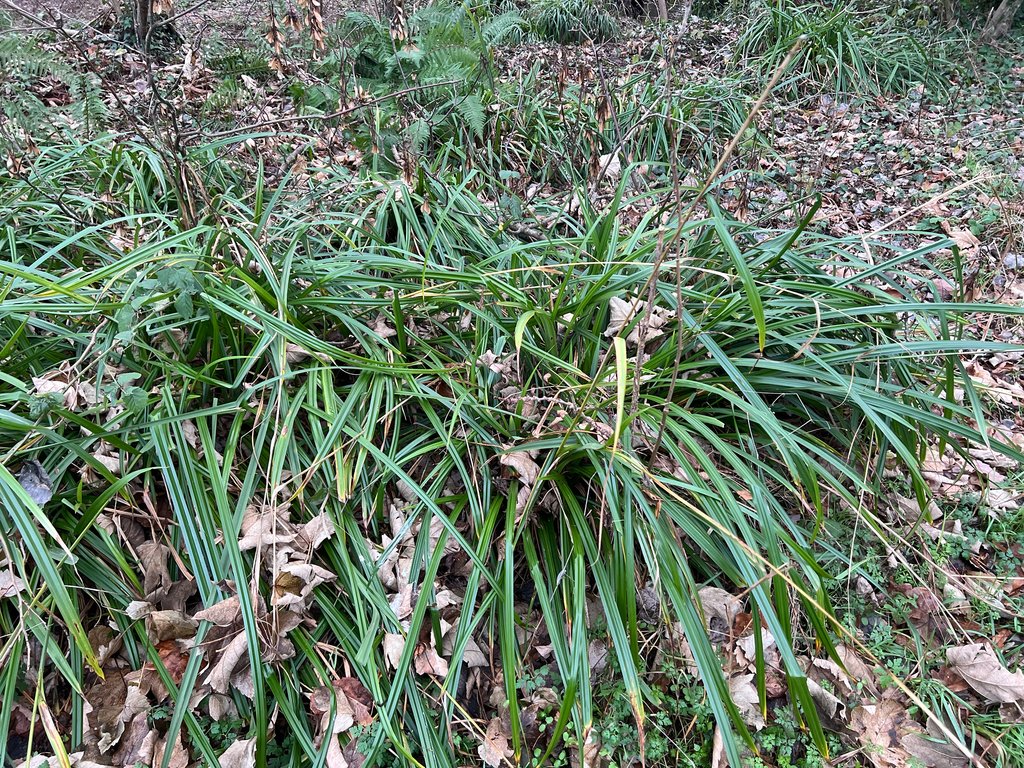
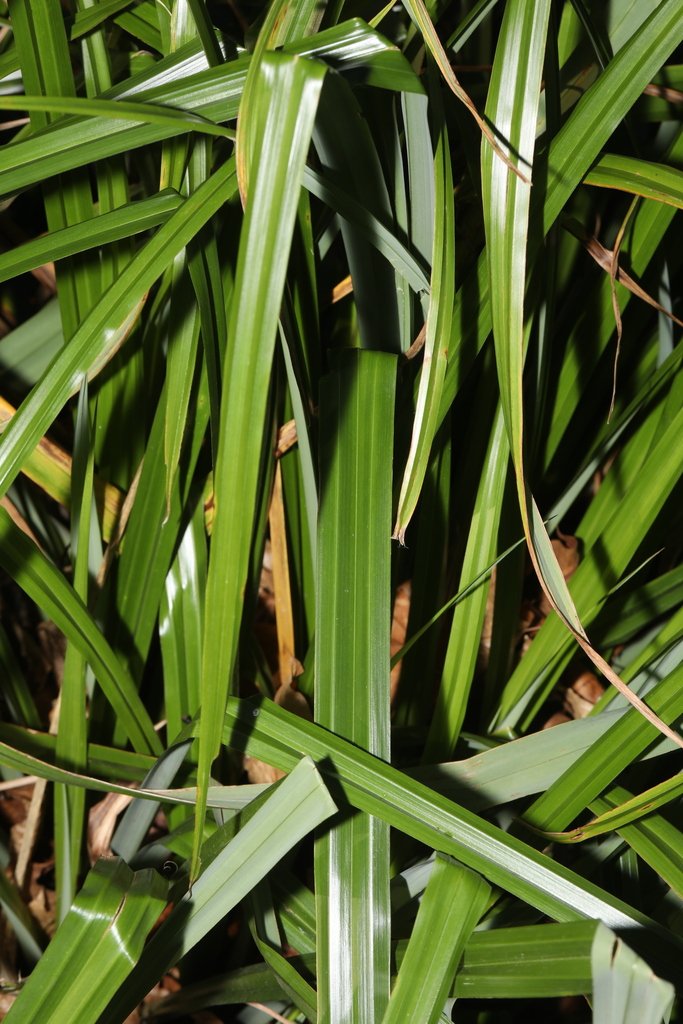
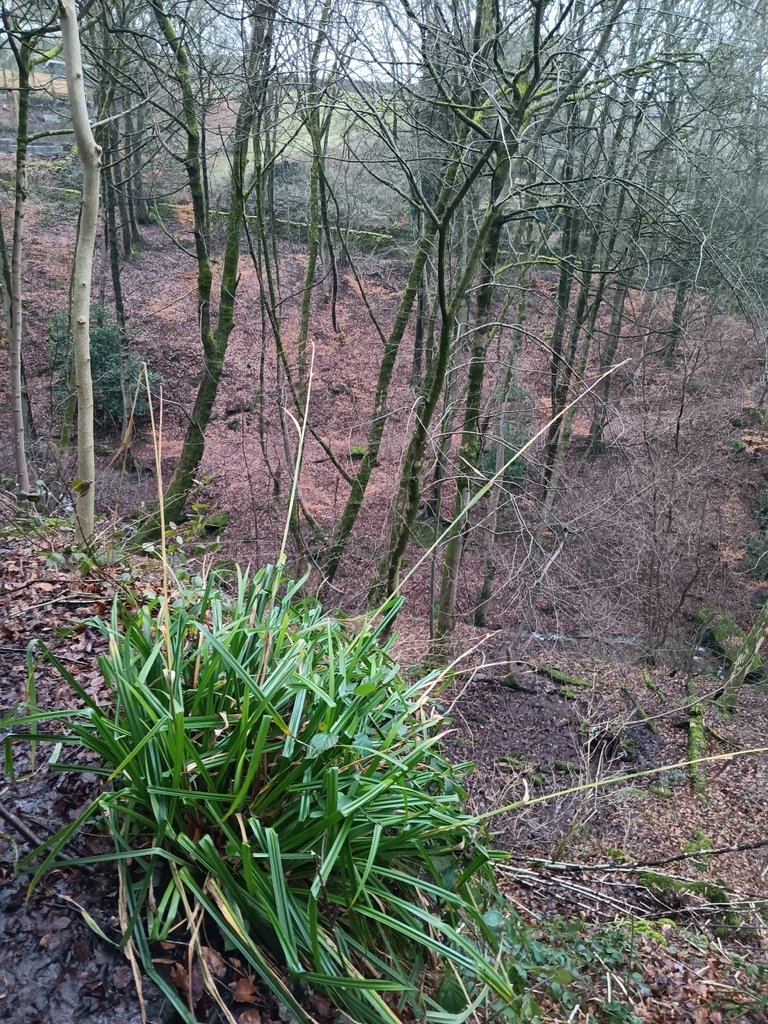


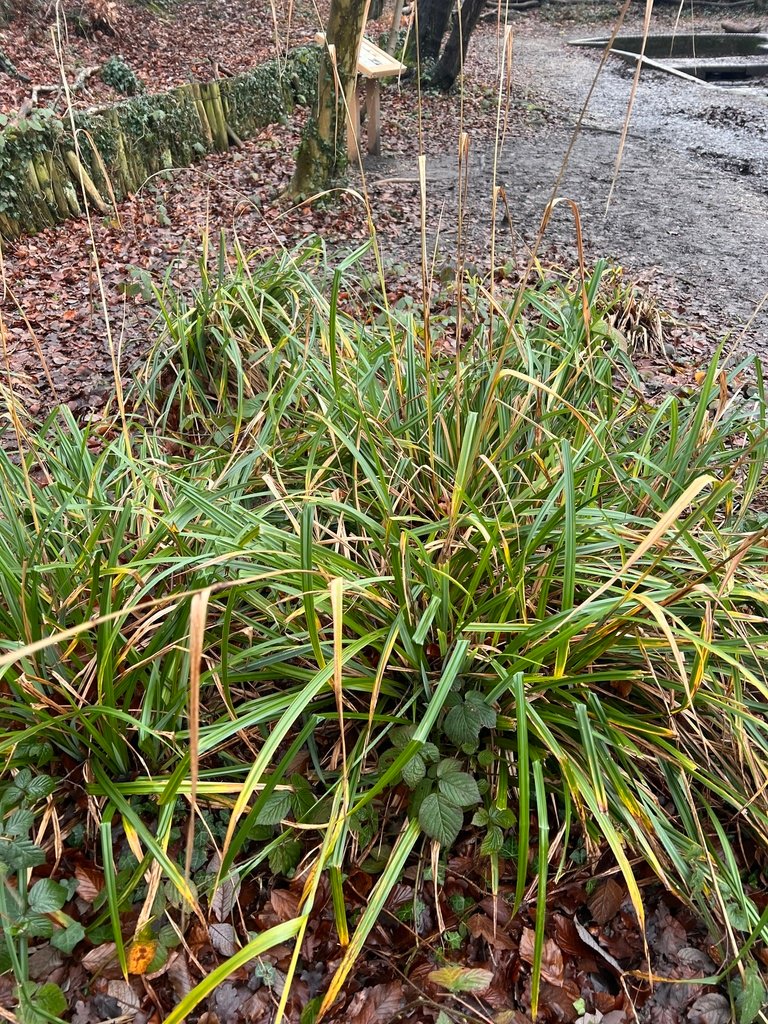
- Botanical name
- Carex pendula
- Also known as
- Drooping Sedge, Hanging Sedge, Pendulous Sedge, Pendulus Sedge, Sedge-Grass, Weeping Sedge
- Family
- Cyperaceae
- Genus
- Carex
- Flowering period
- May to June
- Height
- 100–150 cm
- Spread
- 90–150 cm
- Hardiness
- Fully hardy (RHS H6)
- Reference
- World Flora Online
How to grow Drooping Sedge
Partial shade to full sun; happiest in shade
Prefers damp ground; tolerates wet soil
Moist to wet, heavy soils included; tolerates clay
Acid to alkaline
Planting
Plant in spring or autumn in damp shade, beside water, or in a wild or woodland-edge planting. It is a large plant, so allow it proper room rather than squeezing it into a border front.
Pruning
Evergreen. Comb out dead leaves by hand in spring rather than cutting the whole clump down. Removing the flowering stems before the seed ripens is the single most effective way of keeping it in bounds.
Propagation
Division in spring. Self-sows abundantly, so you rarely need to propagate deliberately.
Pests and diseases
No significant problems.
Value to wildlife
A native sedge that gives good cover in damp shade and by ponds; the seed is taken by birds.
Notes
It seeds itself very freely and seedlings appear across paving, gravel and neighbouring borders. In a small or tidy garden this becomes a real chore — cut the flowering stems off before seed sets, or choose a smaller sedge instead.
This guidance was researched and written by GardenDecoded — see our editorial policy for how guides are checked and reviewed.
Other names for this plant
These names have all been used for Carex pendula but are no longer the accepted name. You may still meet them on old labels, in books, or in nursery catalogues.
Carex maxima
Carex pendula f. pallida
Carex tenuirostrata
Manochlaenia pendula
Trasus pendulus
Trasus pendulus var. androgynus
Others in Carex
GardenDecoded is an educational gardening reference. Botanical data comes from World Flora Online and GBIF; growing guidance is our own. Always check a plant's toxicity and local invasiveness status before planting, and never eat or apply a plant based on this site alone.