Buddleja hieronymi
Butterfly Bush
Buddleja davidii
Franch. Species
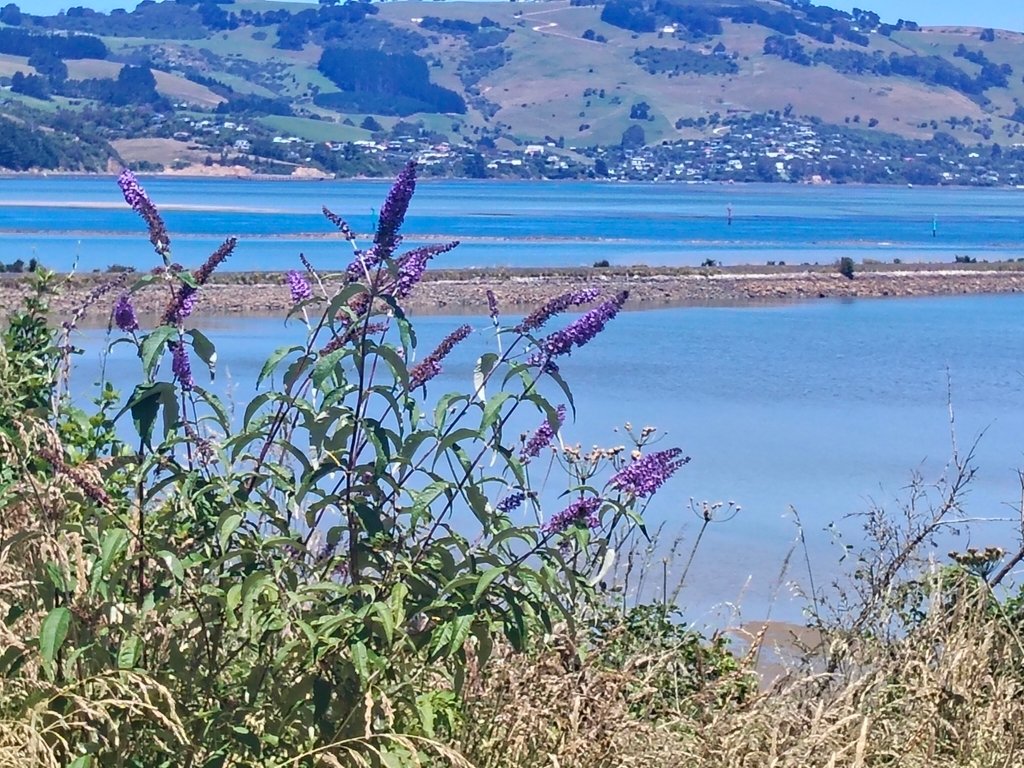
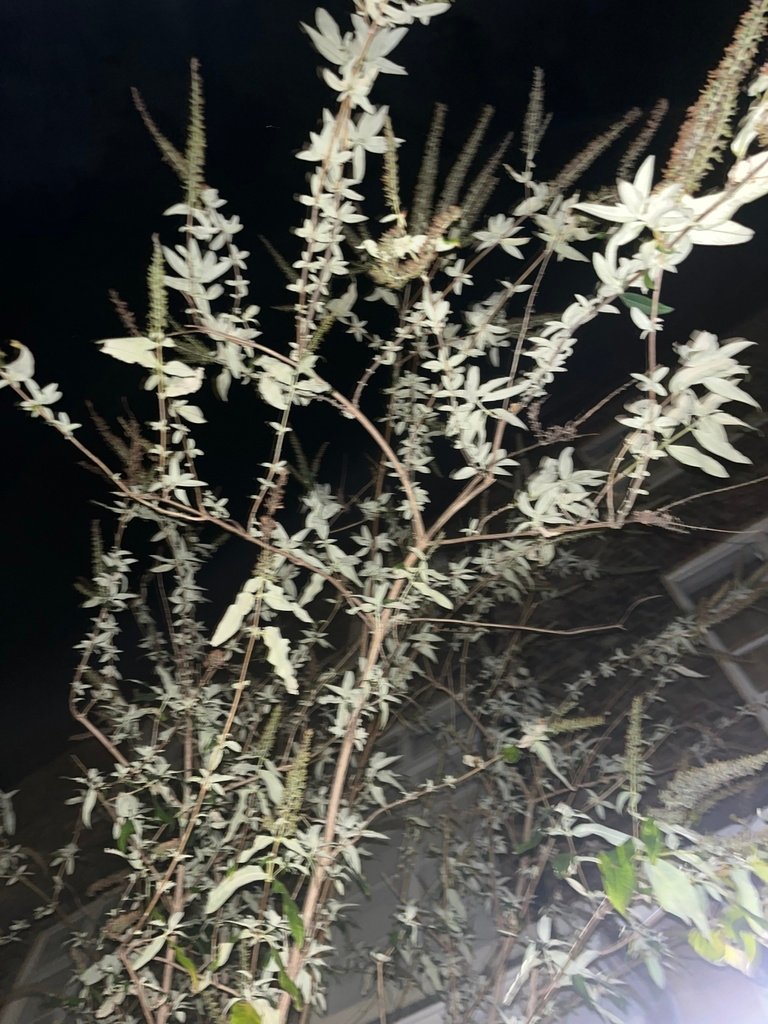
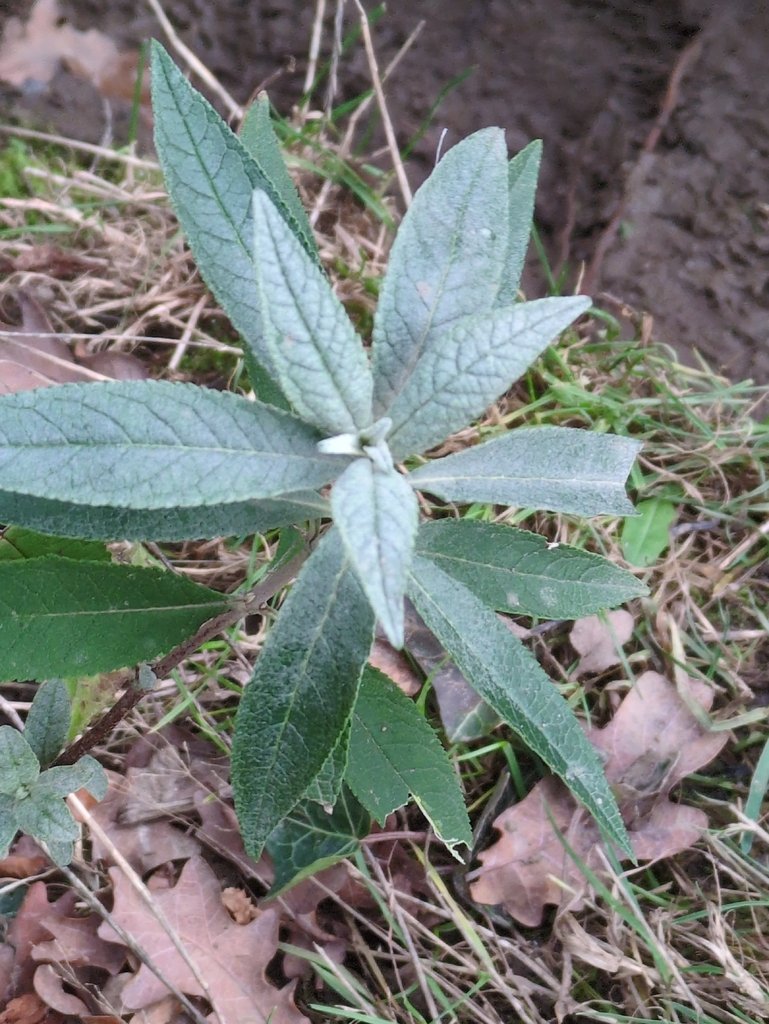
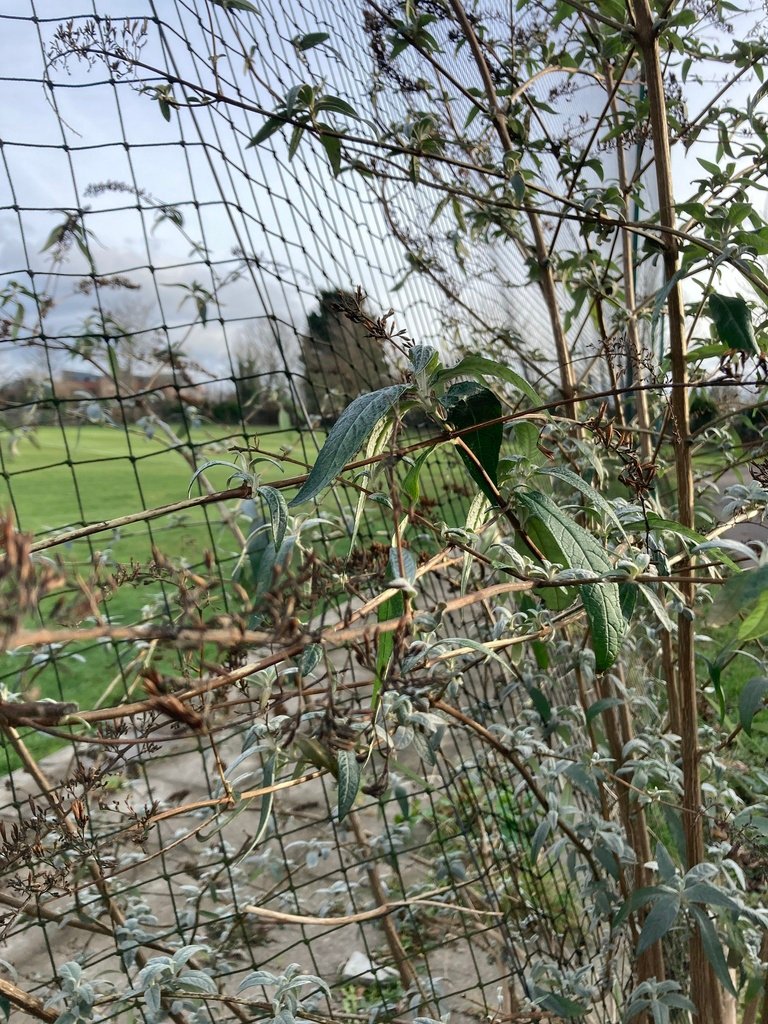
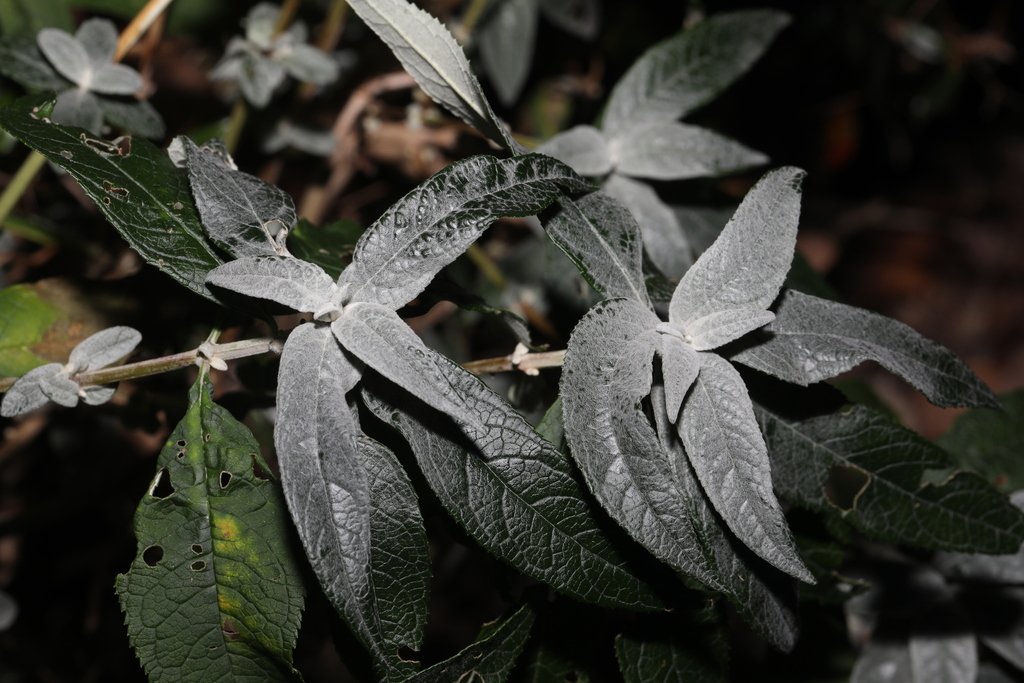
- Botanical name
- Buddleja davidii
- Also known as
- Buddleia, Butterfly Bush, Butterfly-Bush, Orange Eye Butterflybush, Orange-Eye, Orange-Eye Butterfly-Bush, Summer Lilac, Summer-Lilac
- Family
- Scrophulariaceae
- Genus
- Buddleja
- Flowering period
- July to September
- Height
- 2.5–4 m
- Spread
- 2.5–4 m
- Hardiness
- Fully hardy (RHS H6)
- Reference
- World Flora Online
How to grow Butterfly Bush
Full sun
Low; drought-tolerant once established
Any well-drained soil, including rubble and poor chalk
Neutral to alkaline
Planting
Plant in autumn or spring in the sunniest, driest spot you have. It needs less feeding and watering than almost anything else you will plant; rich soil produces soft growth and fewer flowers.
Pruning
Cut hard back every March to a low framework about 30-60 cm from the ground. It flowers on the current season's growth, so this is not optional if you want good spikes rather than a leggy thicket. Deadhead through summer to prolong flowering and cut down on seeding.
Propagation
Hardwood cuttings in autumn or semi-ripe cuttings in summer; both root very easily. Seedlings appear everywhere anyway.
Pests and diseases
Usually trouble-free. Capsid bug damage can distort young shoot tips.
Value to wildlife
Exceptional for adult butterflies and moths in late summer, and heavily worked by bees. It supports nothing at the caterpillar stage, so it is a nectar bar rather than a full habitat plant.
Notes
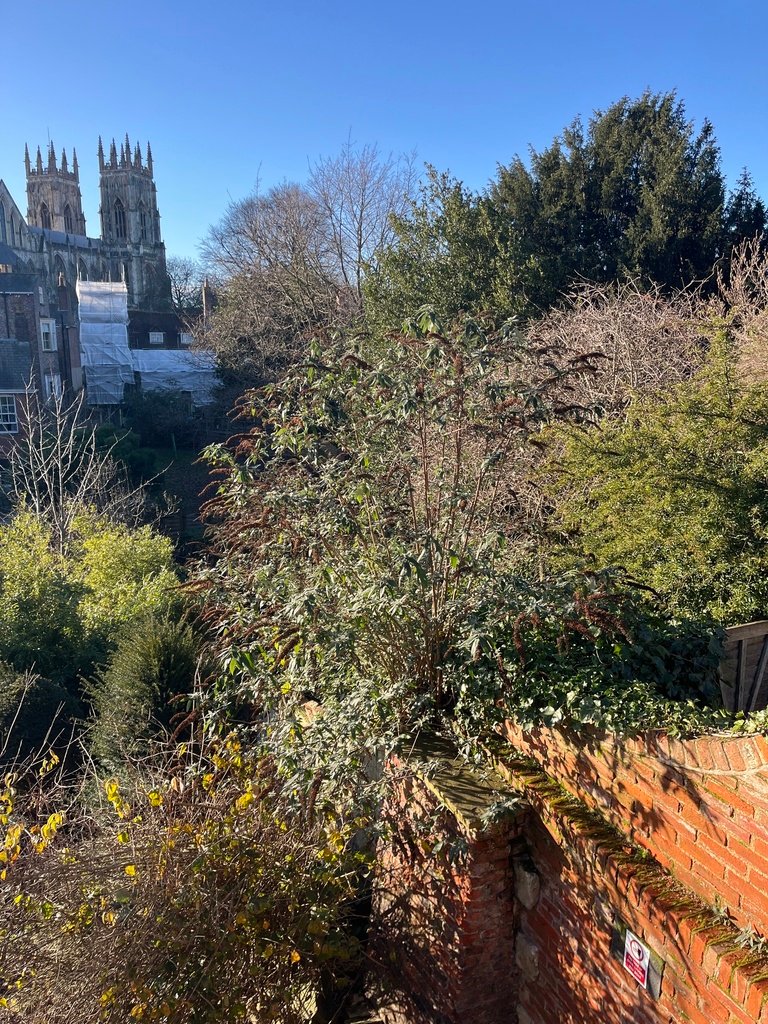
It seeds prolifically and colonises walls, railways and waste ground - it is a well-known invasive non-native in the UK. Deadheading rigorously before seed sets is the responsible minimum, and consider a sterile or low-seeding cultivar if you are near open countryside or old brickwork.
This guidance was researched and written by GardenDecoded — see our editorial policy for how guides are checked and reviewed.
Other names for this plant
These names have all been used for Buddleja davidii but are no longer the accepted name. You may still meet them on old labels, in books, or in nursery catalogues.
Buddleja davidii var. alba
Buddleja davidii var. glabrescens
Buddleja davidii var. magnifera
Buddleja davidii var. nanhoensis
Buddleja davidii var. superba
Buddleja davidii var. veitchiana
Buddleja davidii var. wilsonii
Buddleja delavayi var. tomentosa
Buddleja heliophila var. adenophora
Buddleja shaanxiensis
Buddleja shimidzuana
Buddleja striata
Buddleja striata
Buddleja striata var. zhouquensis
Buddleja variabilis
Buddleja variabilis var. magnifica
Buddleja variabilis var. nanhoensis
Buddleja variabilis var. prostrata
Buddleja variabilis var. superba
Buddleja variabilis var. superba
Buddleja variabilis var. veitchiana
Buddleja variabilis var. veitchiana
Buddleja variabilis var. wilsonii
Buddleja variabilis var. wilsonii
Buddleja veitchiana
Others in Buddleja
GardenDecoded is an educational gardening reference. Botanical data comes from World Flora Online and GBIF; growing guidance is our own. Always check a plant's toxicity and local invasiveness status before planting, and never eat or apply a plant based on this site alone.