Borago morisiana
Common Borage
Borago officinalis
L. Species

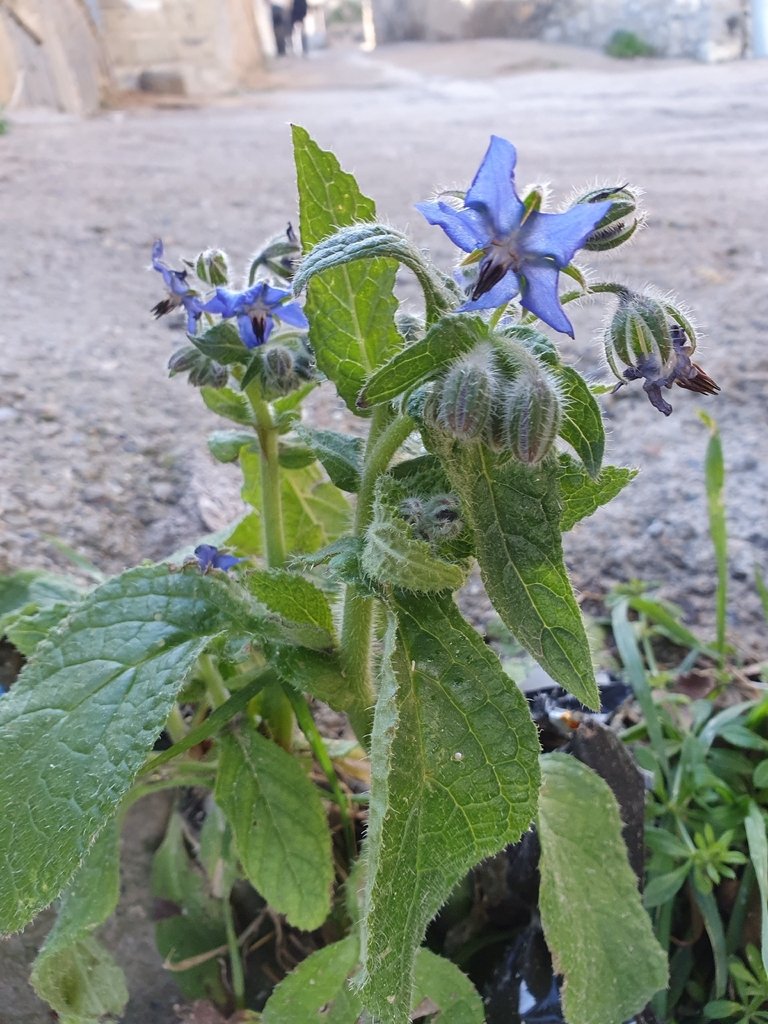

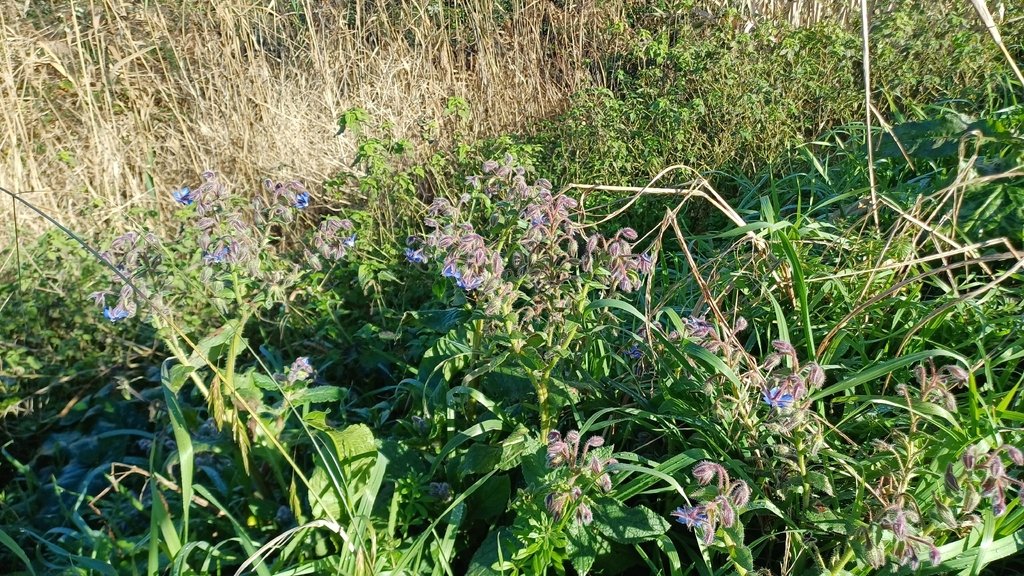


- Botanical name
- Borago officinalis
- Also known as
- Bee Plant, Beebread, Beeplant, Borage, Common Borage, Starflower, Talewort
- Family
- Boraginaceae
- Genus
- Borago
- Flowering period
- June to September
- Height
- 45–90 cm
- Spread
- 30–45 cm
- Hardiness
- Hardy annual
- Reference
- World Flora Online
How to grow Common Borage
Full sun
Low; drought-tolerant once the taproot is down
Well-drained, even poor soil; rich ground makes it floppy
Acid, neutral or alkaline
Planting
Sow direct in April or May where it is to flower, thinning to 30 cm. It has a taproot and dislikes being moved, so avoid transplanting. An autumn sowing in mild gardens overwinters and flowers earlier the following year.
Pruning
Cut back hard after the first flush of flowers and it will often produce a second. Plants get top-heavy and collapse in summer rain — either support them or accept the sprawl.
Propagation
From seed, sown direct. It self-seeds so enthusiastically that one deliberate sowing usually supplies you indefinitely.
Pests and diseases
Powdery mildew is common on older plants in dry summers and is usually a signal to pull them out and let the seedlings take over. Blackfly can build up on the stems.
Value to wildlife
One of the best annuals for bees — the flowers refill with nectar quickly, so bumblebees work the same plant repeatedly all day, and it flowers over a long season.
Notes
The stems and leaves are covered in stiff bristles that irritate skin, so wear gloves when pulling plants up. It self-seeds to the point of nuisance in an ordinary border; hoe off surplus seedlings while they are small, as the taproot makes larger ones harder to remove.
This guidance was researched and written by GardenDecoded — see our editorial policy for how guides are checked and reviewed.
Other names for this plant
These names have all been used for Borago officinalis but are no longer the accepted name. You may still meet them on old labels, in books, or in nursery catalogues.
Borago advena
Borago aspera
Borago hortensis
Others in Borago
GardenDecoded is an educational gardening reference. Botanical data comes from World Flora Online and GBIF; growing guidance is our own. Always check a plant's toxicity and local invasiveness status before planting, and never eat or apply a plant based on this site alone.