Betula microphylla
Common Birch
Betula pendula
Roth Species
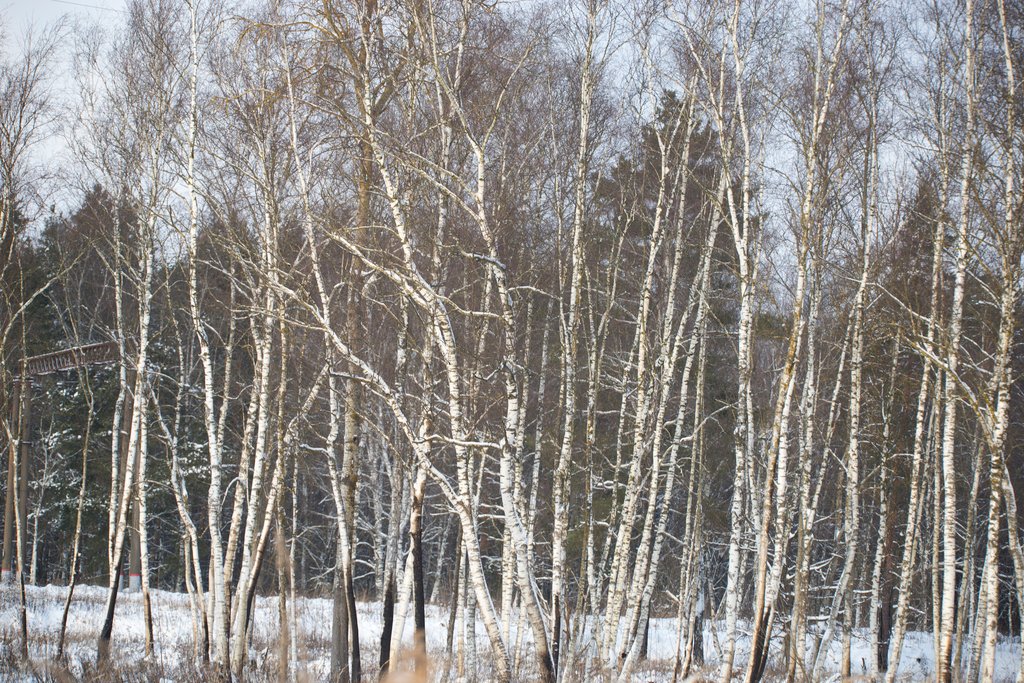
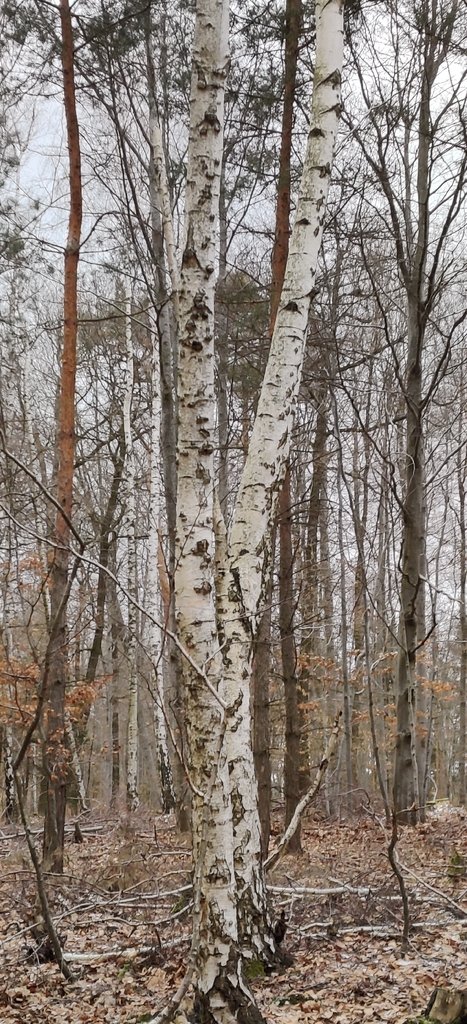
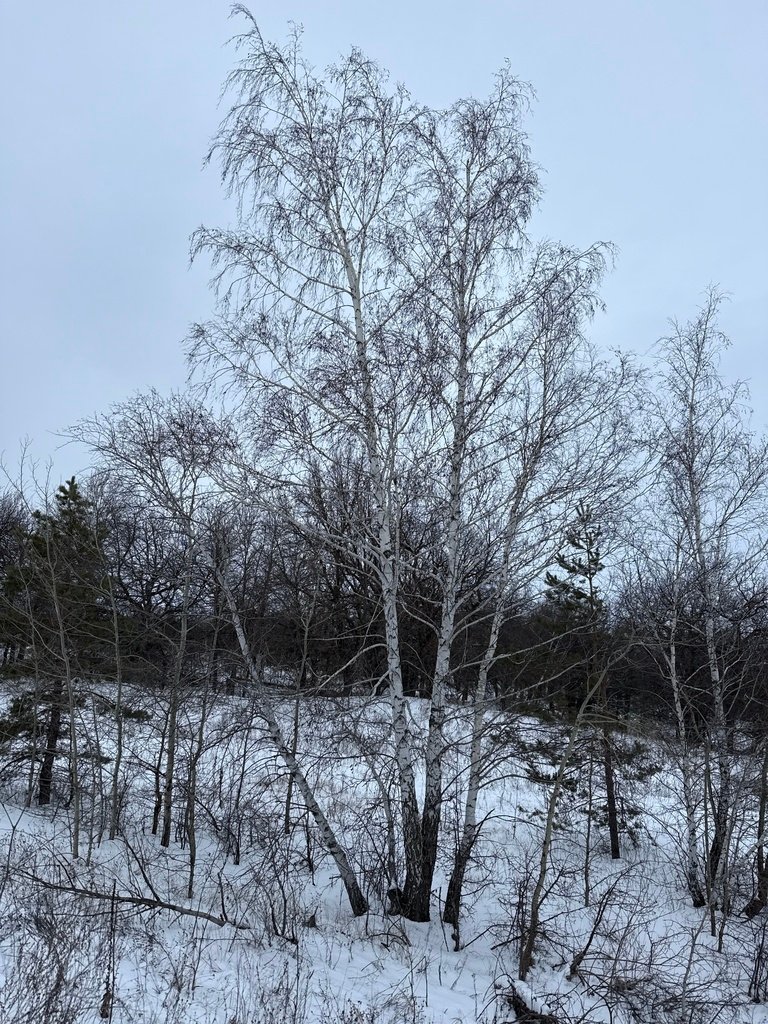

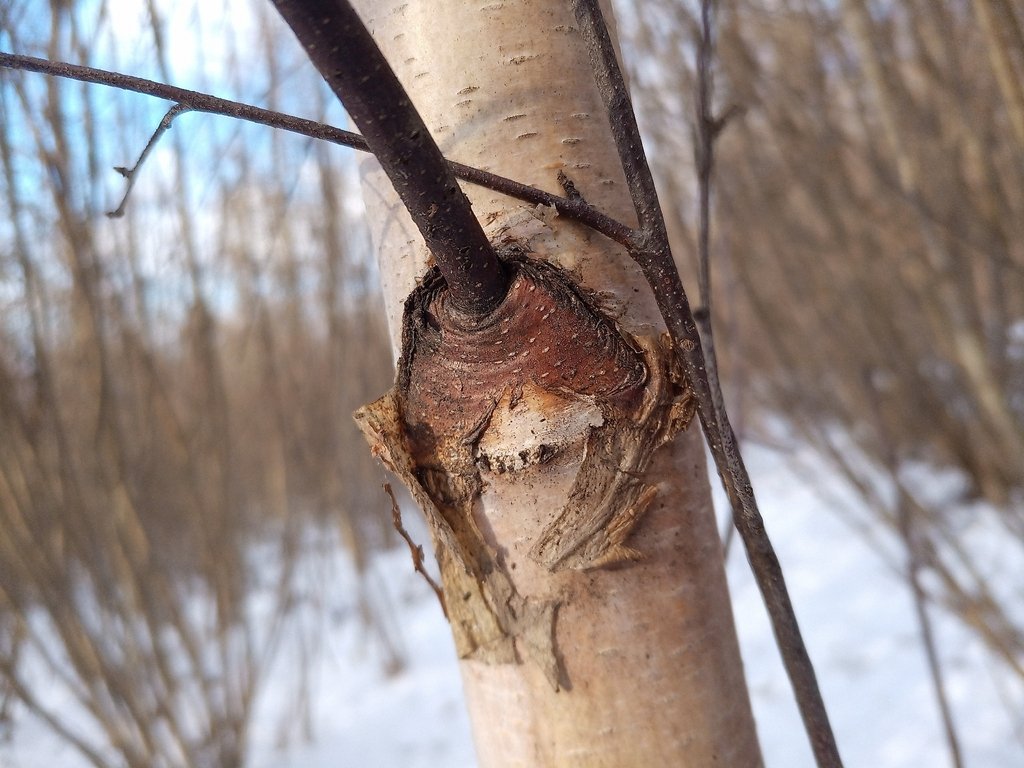
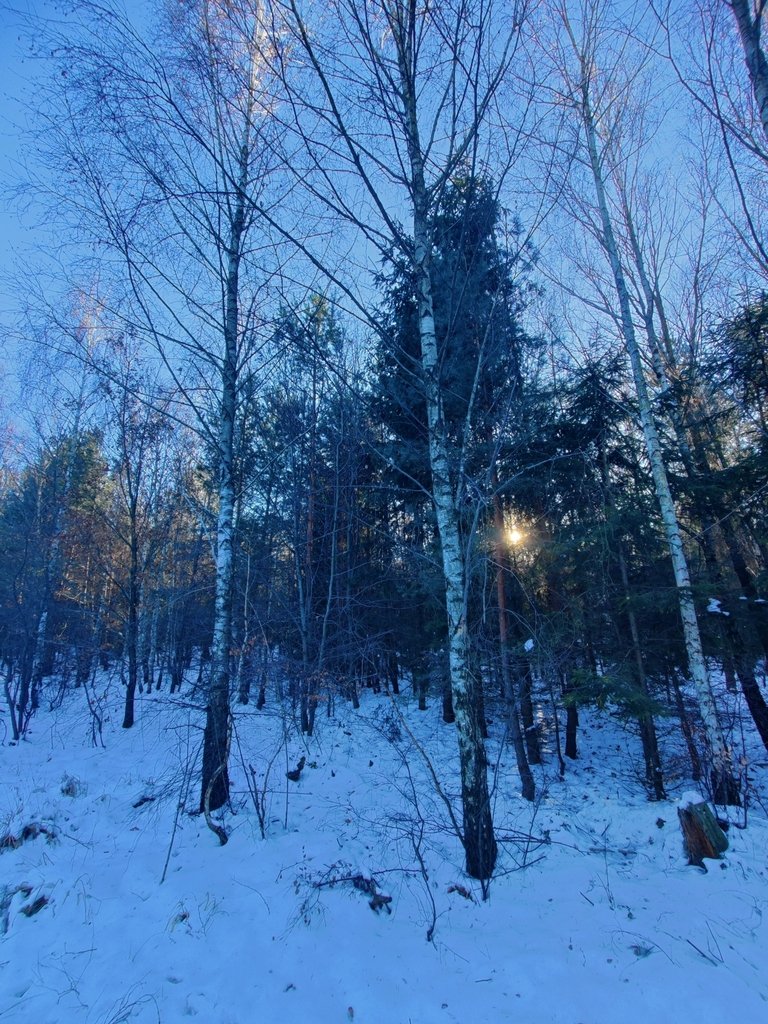
- Botanical name
- Betula pendula
- Also known as
- Common Birch, Eurasian Weeping Birch, European Birch, European Weeping Birch, European White Birch, Silver Birch, Weeping Birch
- Family
- Betulaceae
- Genus
- Betula
- Flowering period
- April to May
- Height
- 15–25 m
- Spread
- 6–10 m
- Hardiness
- Fully hardy (RHS H7)
- Reference
- World Flora Online
How to grow Common Birch
Full sun; tolerates light shade
Low once established; young trees need water in dry summers
Well-drained, including light sandy and poor soils
Acid to neutral
Planting
Plant bare-root between November and March. Birch has a shallow, wide-spreading and greedy root system, so keep it well away from foundations and do not expect much to grow beneath it. It is fast to establish and copes with poor, thin soil.
Pruning
Prune only in late summer or early autumn — birches bleed profusely if cut in late winter or spring. Little routine pruning is needed beyond removing damaged branches.
Propagation
Sow the fine seed in autumn on the surface of a seed tray left outdoors. Germination is usually good but seedlings are tiny at first.
Pests and diseases
Aphids are common and drip honeydew onto anything parked or seated beneath. Bracket fungi affect older trees and indicate internal decay that needs professional assessment.
Value to wildlife
Supports a very large number of invertebrate species, and the seed feeds redpolls, siskins and tits through winter. One of the most valuable native trees for a wildlife garden.
Notes
The white bark is the main feature and develops properly after a few years; it can be washed in winter to keep it bright. Multi-stemmed specimens suit smaller gardens better than a single trunk.
Some structured details on this page (such as tolerances, pH and hardiness) come from USDA PLANTS Database (public domain). The written guidance is GardenDecoded's own, researched as described in our editorial policy.
Other names for this plant
These names have all been used for Betula pendula but are no longer the accepted name. You may still meet them on old labels, in books, or in nursery catalogues.
Betula alba lus. pendula
Betula alba var. microphylla
Betula alba var. microphylla
Betula alba var. pendula
Betula alba var. pendula
Betula alba var. pendula
Betula alba var. songarica
Betula alba var. verrucosa
Betula pendula f. dalecarlica
Betula pendula f. fastigiata
Betula pendula var. pendula
Betula verrucosa f. dalecarlica
Betula verrucosa f. elegans
Betula verrucosa var. bircalensis
Others in Betula
GardenDecoded is an educational gardening reference. Botanical data comes from World Flora Online and GBIF; growing guidance is our own. Always check a plant's toxicity and local invasiveness status before planting, and never eat or apply a plant based on this site alone.