Berberis annaemariae
Common Barberry
Berberis vulgaris
L. Species
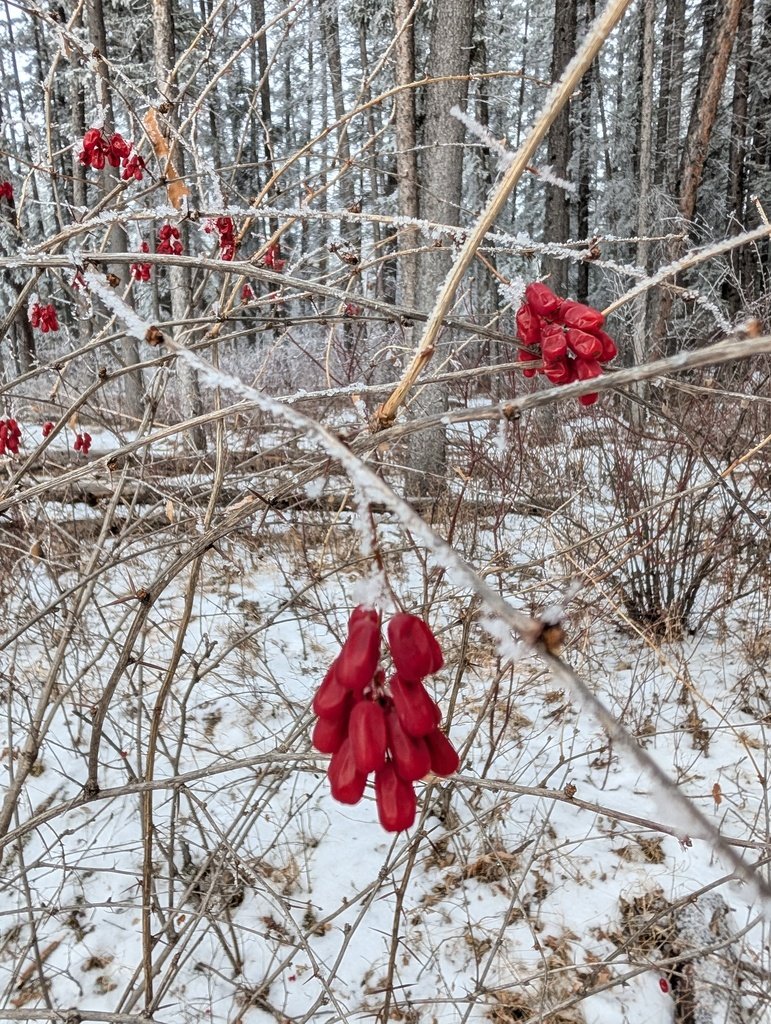
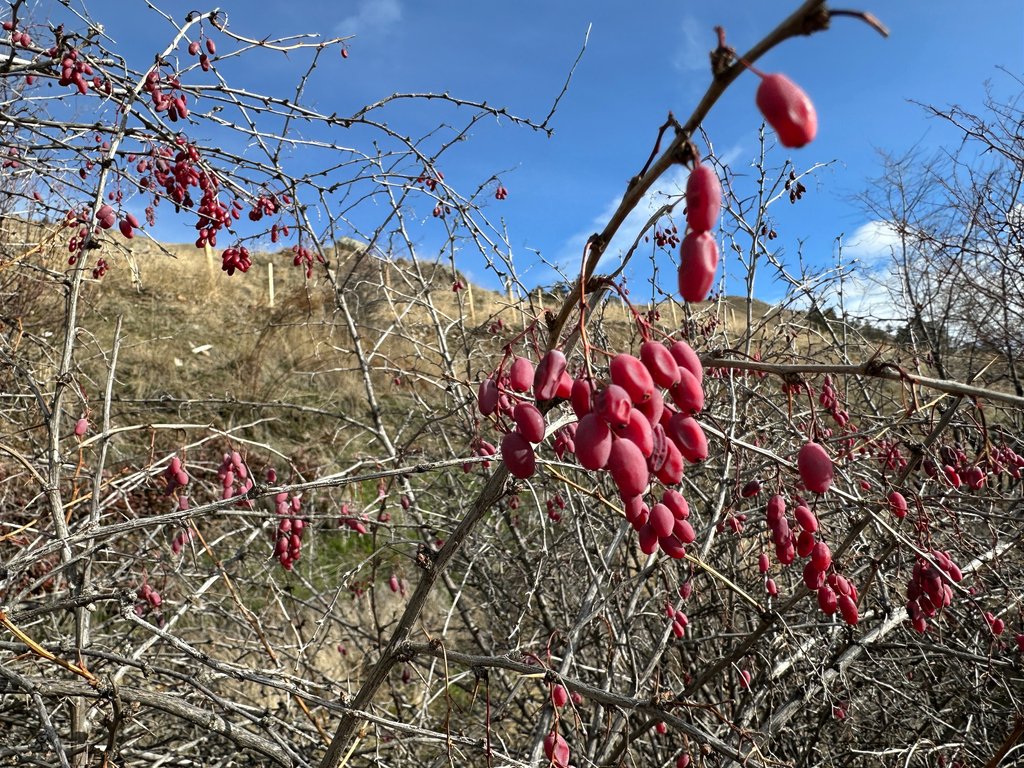
- Botanical name
- Berberis vulgaris
- Also known as
- Barberry, Berbéris Vulgaire, Common Barberry, Épine-Vinette, European Barberry, Jaundice-Berry, Piprage, Vinetteier
- Family
- Berberidaceae
- Genus
- Berberis
- Flowering period
- May to June
- Height
- 2–3 m
- Spread
- 150–250 cm
- Hardiness
- Fully hardy (RHS H6)
- Reference
- World Flora Online
How to grow Common Barberry
Full sun to partial shade
Low once established
Any well-drained soil; tolerates dry, chalky and poor ground
Acid to alkaline
Planting
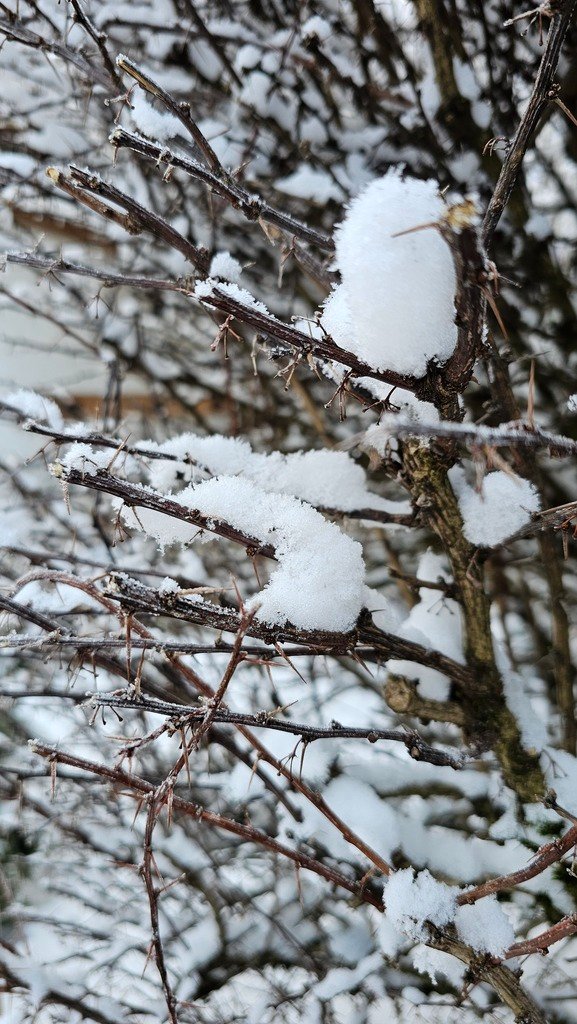
Plant bare-root between November and March, or container-grown at any time the ground is workable. Space at 45-60 cm for a hedge. It is very thorny, so site it away from paths and wear gauntlets when handling.
Pruning
Prune after flowering if you want to keep it in bounds, or clip a hedge once in summer after the birds have finished nesting. It tolerates hard renovation cutting and reshoots from the base.
Propagation
Semi-ripe cuttings in late summer, or seed sown outdoors in autumn after removing the flesh from the berries. Seed germinates the following spring.
Pests and diseases
It is the alternate host for black stem rust of wheat and barley, which is why it was cleared from farmland historically - a consideration if you garden next to arable land.
Value to wildlife
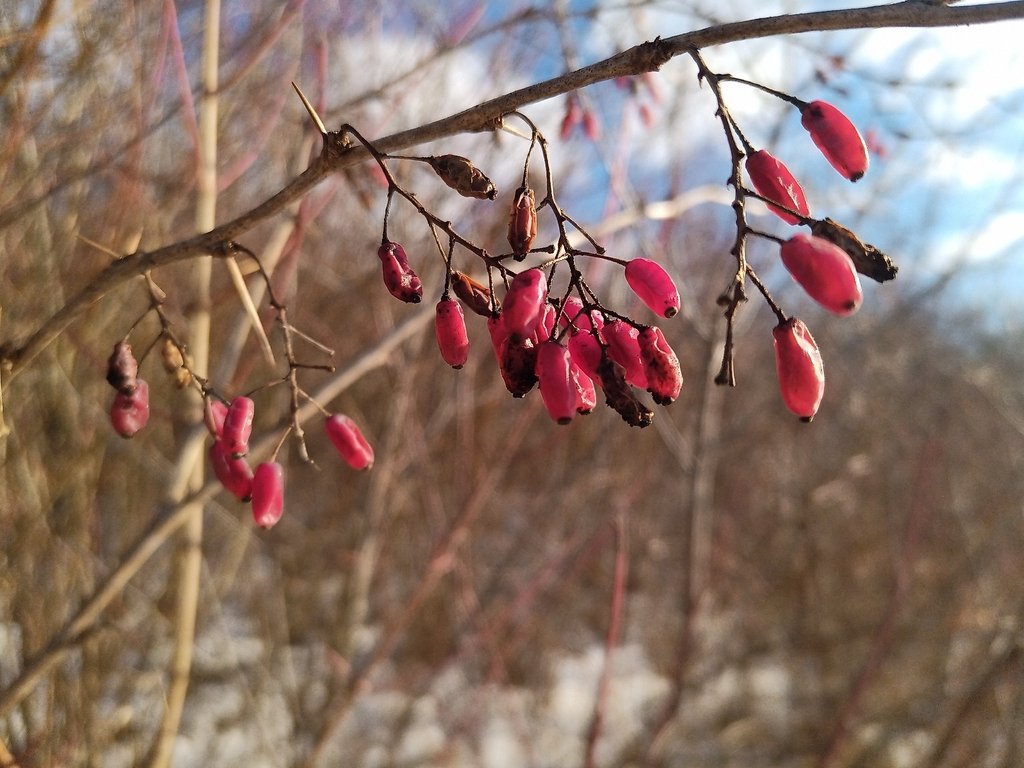
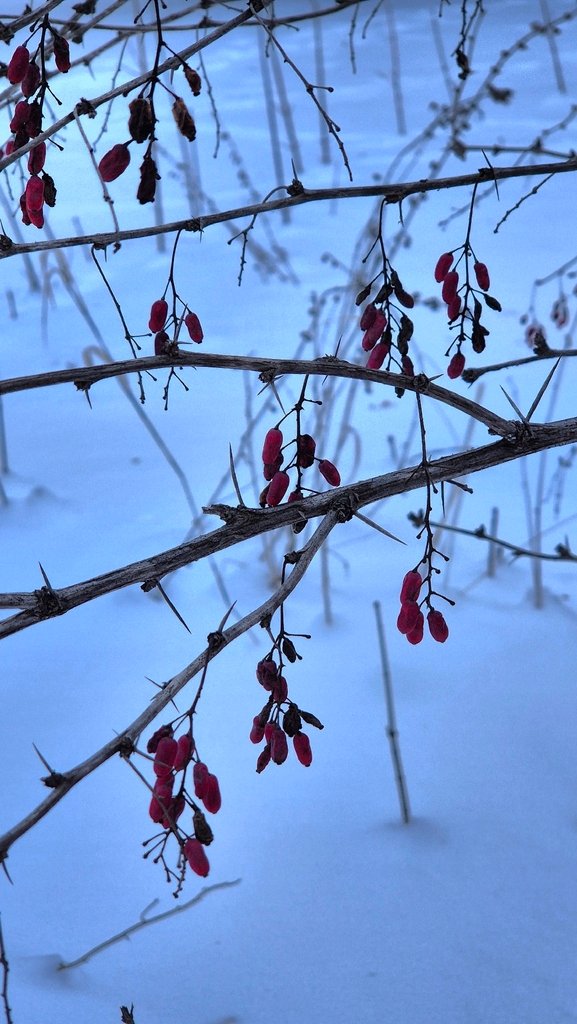
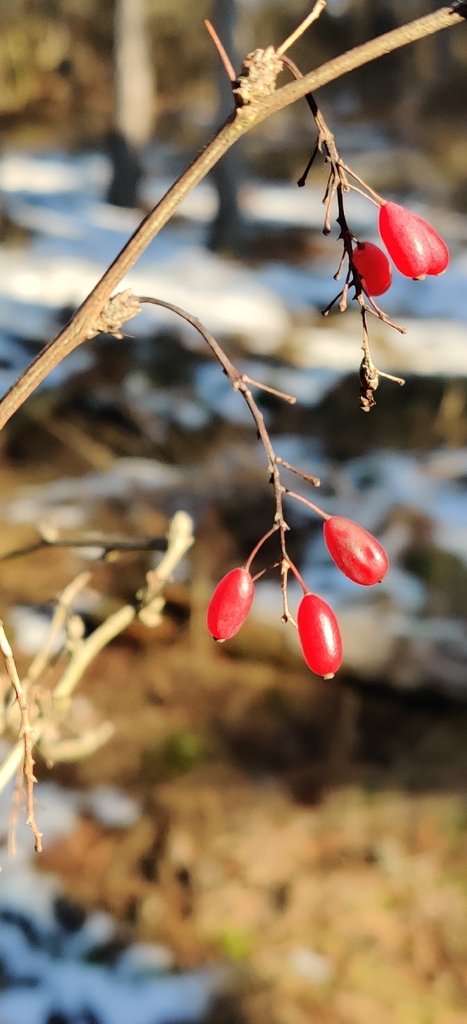
Good hedgerow value: nectar for insects in spring, red autumn berries taken by thrushes and blackbirds, and dense thorny cover for nesting birds.
Notes
A native hedgerow shrub rather than a border plant, and it suckers to form thickets given room. Best in a mixed native hedge or wildlife boundary where the spread is welcome.
This guidance was researched and written by GardenDecoded — see our editorial policy for how guides are checked and reviewed.
Other names for this plant
These names have all been used for Berberis vulgaris but are no longer the accepted name. You may still meet them on old labels, in books, or in nursery catalogues.
Berberis angulizans
Berberis globularis
Berberis racemosa
Berberis vulgaris var. orientalis
Berberis vulgaris var. sulcata
Others in Berberis
GardenDecoded is an educational gardening reference. Botanical data comes from World Flora Online and GBIF; growing guidance is our own. Always check a plant's toxicity and local invasiveness status before planting, and never eat or apply a plant based on this site alone.