Asplenium × brissaginense
Hart's Tonguefern
Asplenium scolopendrium
L. Species


- Botanical name
- Asplenium scolopendrium
- Also known as
- Hart's Tonguefern, Hart's-Tongue Fern, Hartstonque
- Family
- Aspleniaceae
- Genus
- Asplenium
- Height
- 45–60 cm
- Spread
- 45–60 cm
- Hardiness
- Fully hardy (RHS H6)
- Reference
- World Flora Online
How to grow Hart's Tonguefern
Partial to full shade; scorches in direct sun
Keep moist, particularly while fronds are expanding
Moist, well-drained, humus-rich; tolerates chalk and mortar rubble
Neutral to alkaline
Planting
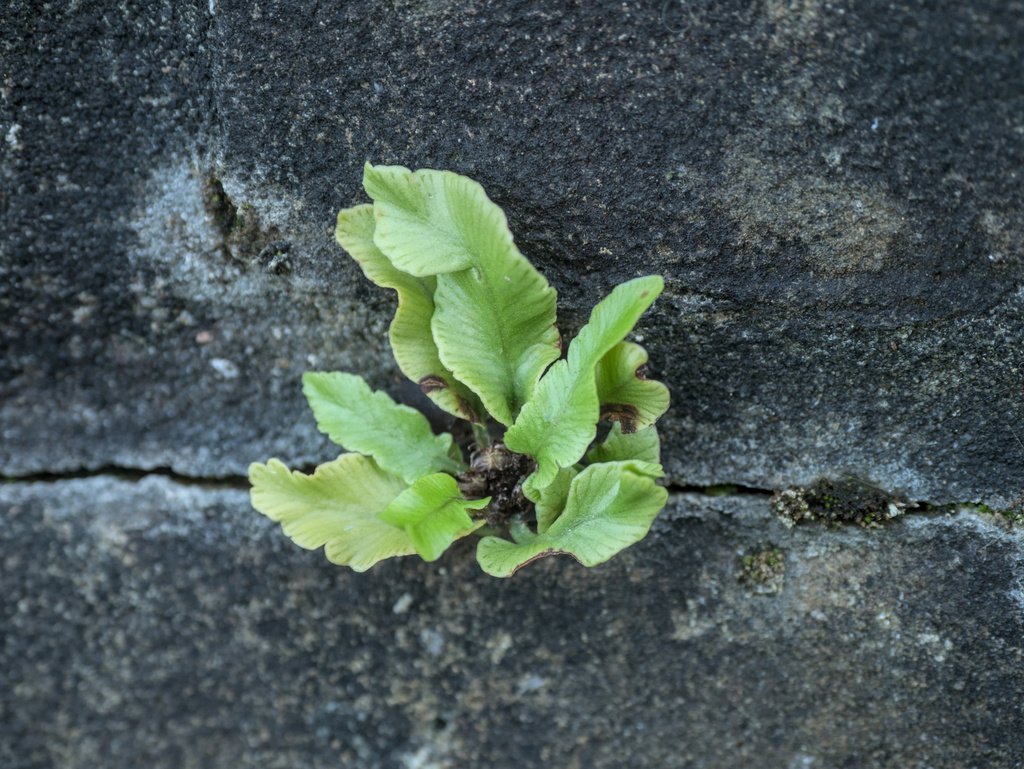
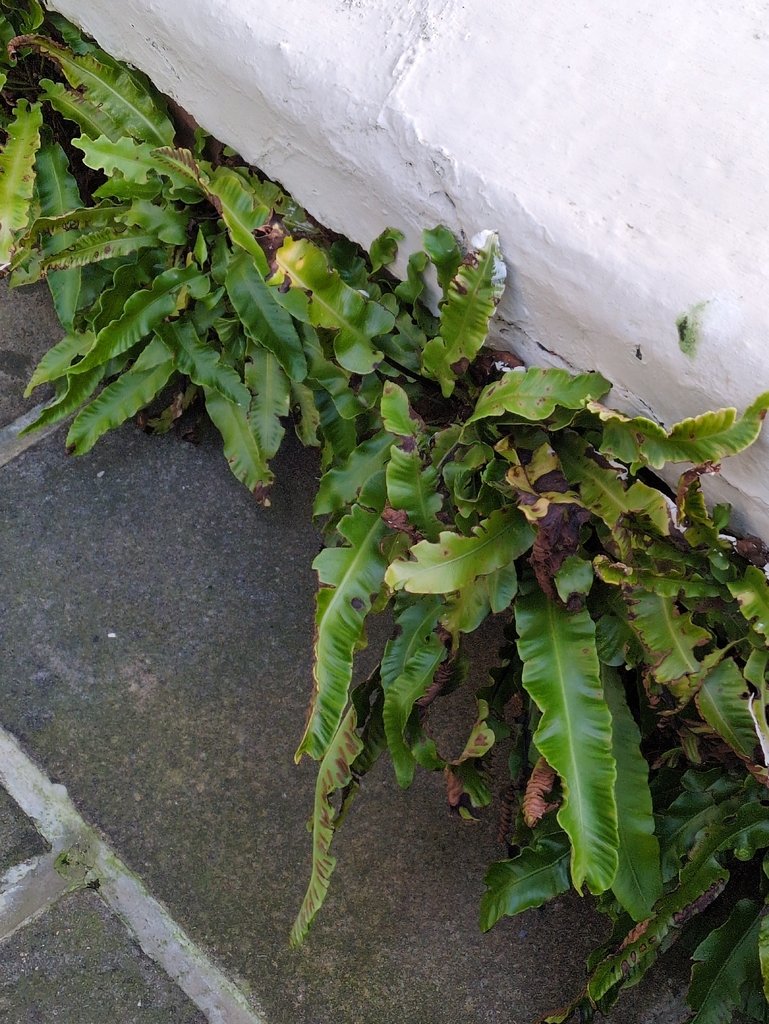
Plant in spring or autumn in shade with the crown at soil level, never buried. It is one of the few ferns genuinely happy on alkaline soil, so it suits chalk gardens, shaded walls and the base of north-facing brickwork. Mulch with leafmould.
Pruning
Cut old fronds off at the base in late winter, just before the new ones unfurl. The strap-shaped fronds are evergreen and give winter structure, so there is no reason to remove them in autumn.
Propagation
Division of established clumps in spring. It also self-sows freely from spores into damp shaded walls and paving joints, and seedlings can be lifted and grown on.
Pests and diseases
Usually trouble-free. Slugs and vine weevil larvae can damage crowns, particularly in containers. Fronds brown at the edges in dry or exposed positions.
Value to wildlife
Provides year-round cover at ground level for beetles, amphibians and other small creatures in a shady border.
Notes
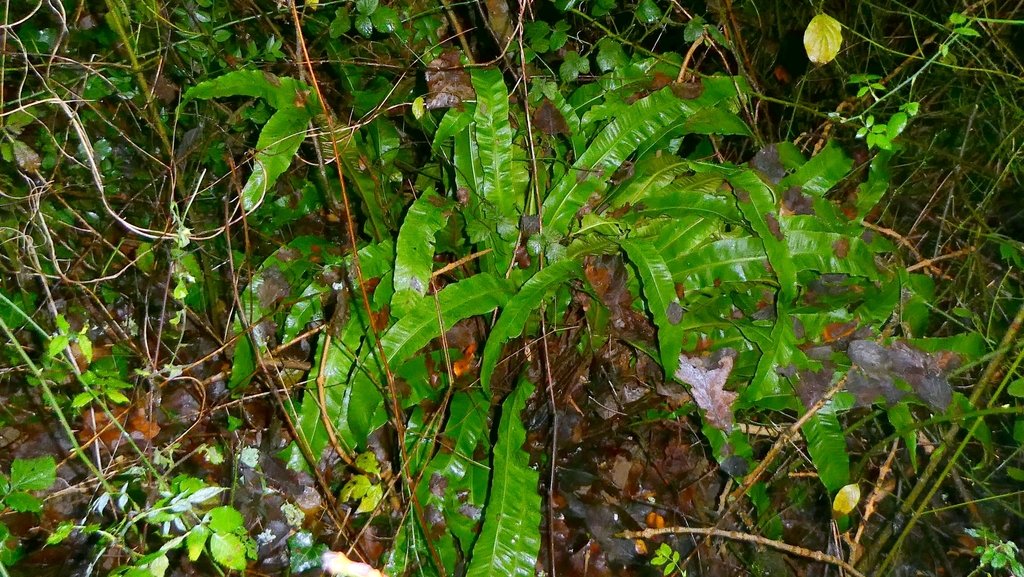
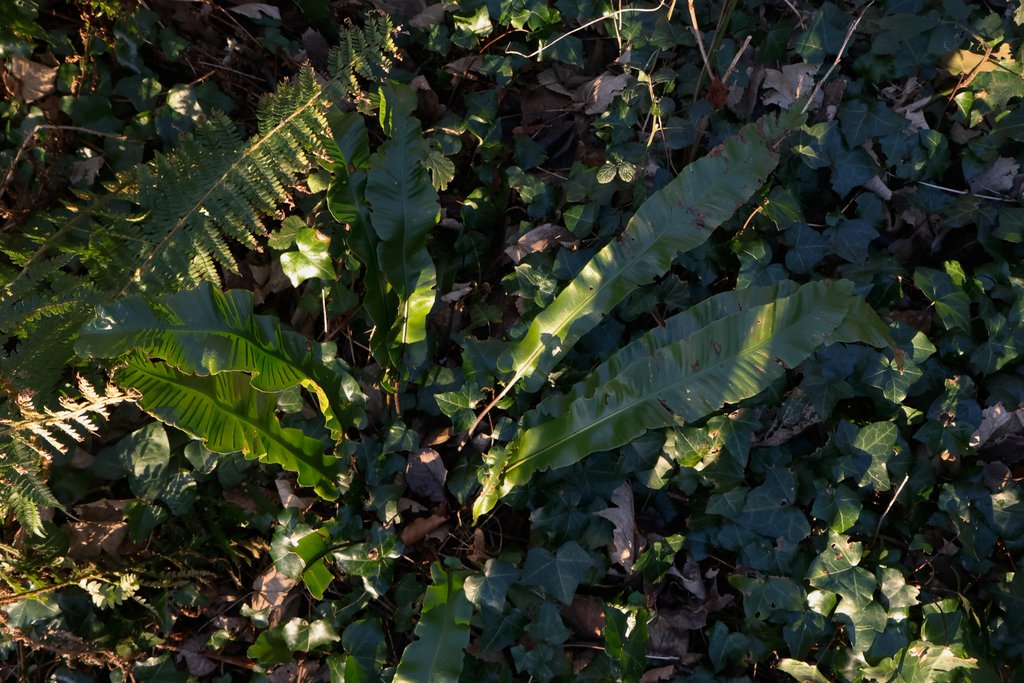
The undivided glossy fronds contrast well with the more finely cut ferns, which is worth exploiting in a shade planting. Crested and wavy-margined forms exist and are grown in the same way.
This guidance was researched and written by GardenDecoded — see our editorial policy for how guides are checked and reviewed.
Others in Asplenium
GardenDecoded is an educational gardening reference. Botanical data comes from World Flora Online and GBIF; growing guidance is our own. Always check a plant's toxicity and local invasiveness status before planting, and never eat or apply a plant based on this site alone.