Anethum theurkauffii
Common Dill
Anethum graveolens
L. Species
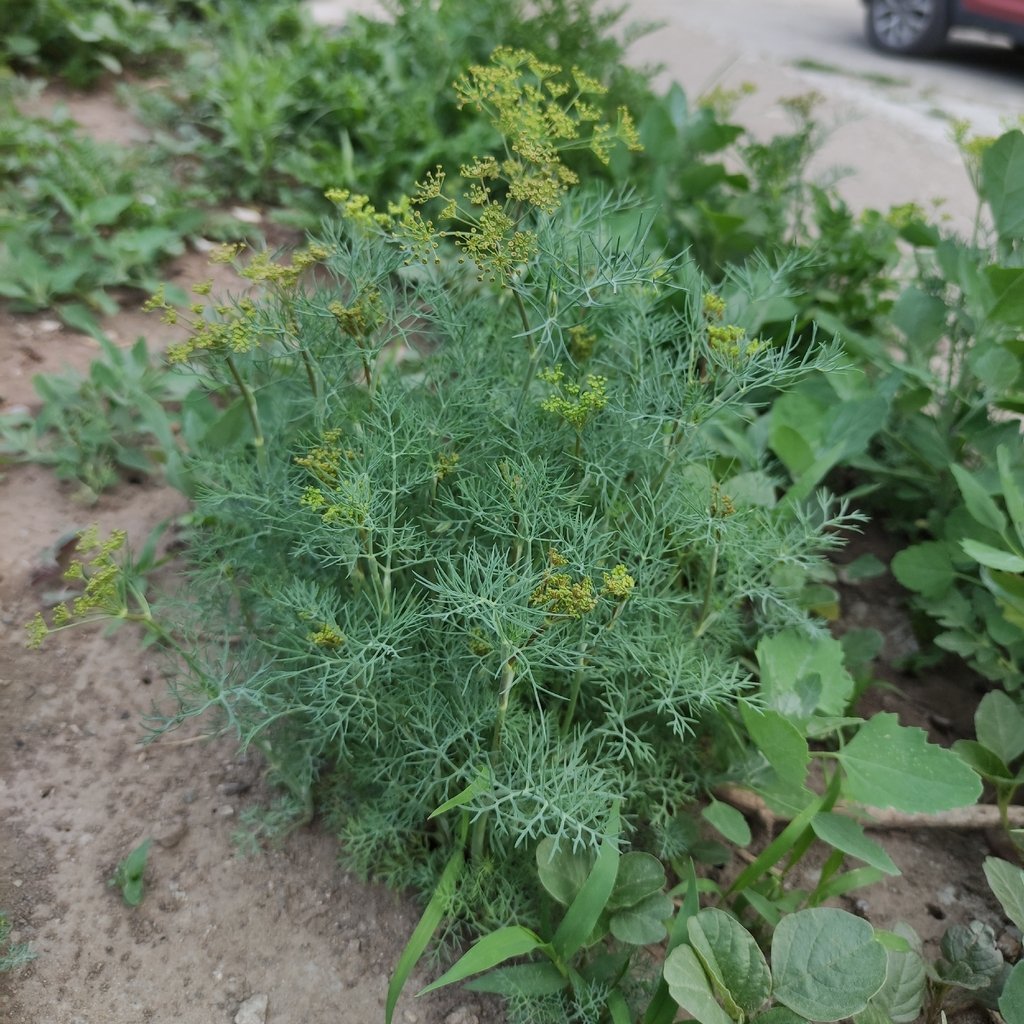


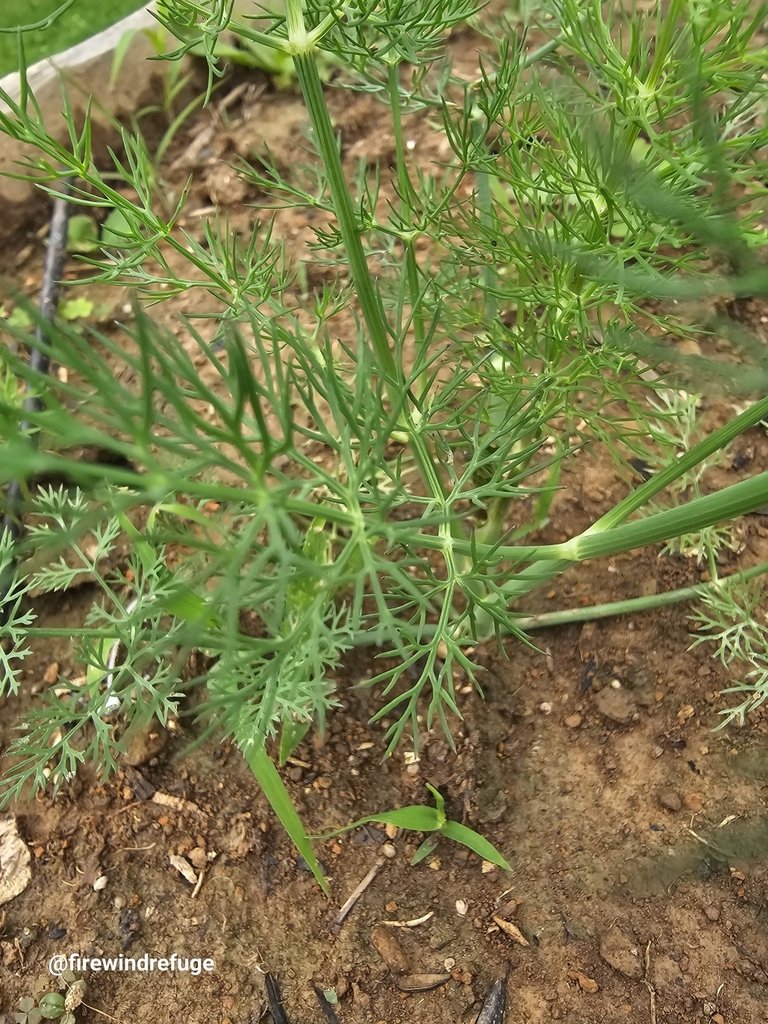

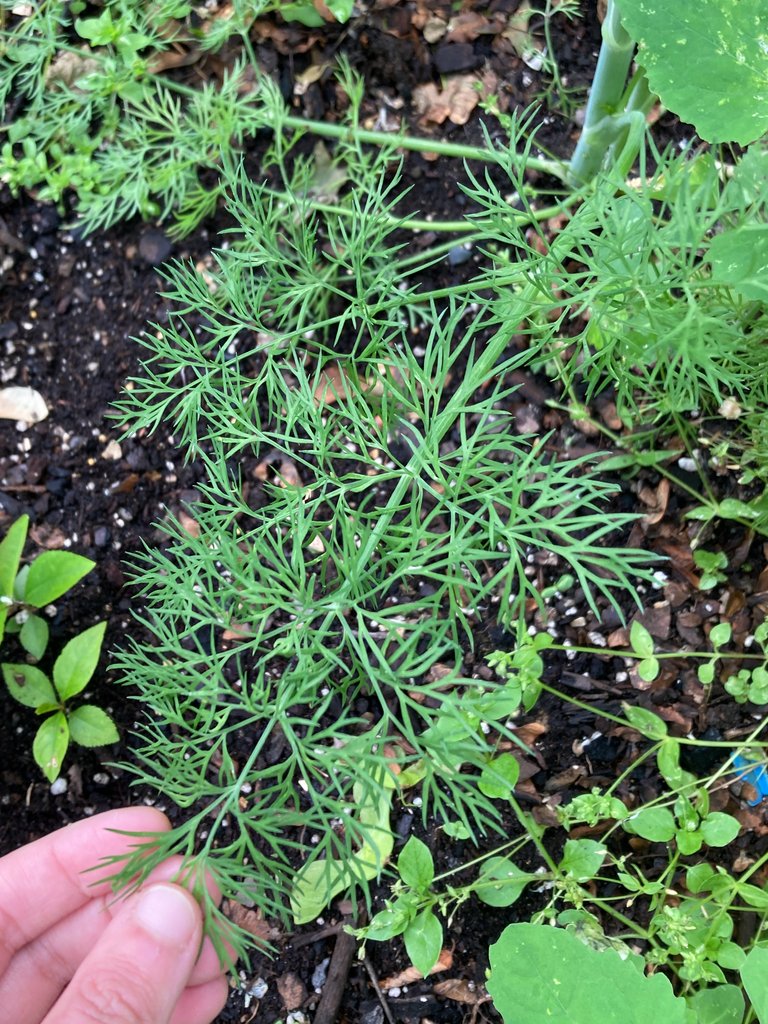
- Botanical name
- Anethum graveolens
- Also known as
- Common Dill, Dill, Dill-Weed, Garden Dill
- Family
- Apiaceae
- Genus
- Anethum
- Flowering period
- July to August
- Height
- 60–120 cm
- Spread
- 20–30 cm
- Hardiness
- Half-hardy annual
- Reference
- World Flora Online
How to grow Common Dill
Full sun
Moderate; keep evenly moist, as drought triggers early bolting
Light, free-draining, moderately fertile
Neutral to slightly acid
Planting
Sow direct where it is to grow from April to July — dill has a taproot and resents transplanting, so module-raised plants often bolt soon after planting out. Thin to about 20 cm. Sow a short row every three or four weeks for a continuous supply, since each sowing gives only a few weeks of usable leaf.
Pruning
Pinch out the growing tips to delay flowering and thicken the plant. Once the flower heads form, leaf production effectively stops.
Propagation
From seed only. It self-seeds readily in light soil, and volunteer seedlings often do better than a deliberate sowing.
Pests and diseases
Few problems. Aphids gather on the flower heads, and crowded plants in wet weather can rot at the base.
Value to wildlife
The flat yellow umbels are excellent for hoverflies, parasitic wasps and other small beneficial insects, so letting one plant flower is worth doing.
Notes
Keep dill well away from fennel — the two cross-pollinate readily and the seed you save will be neither one thing nor the other. Harvest seed by cutting whole heads as they turn brown and drying them upside down in a paper bag.
This guidance was researched and written by GardenDecoded — see our editorial policy for how guides are checked and reviewed.
Other names for this plant
These names have all been used for Anethum graveolens but are no longer the accepted name. You may still meet them on old labels, in books, or in nursery catalogues.
Anethum arvense
Anethum graveolens subsp. australe
Anethum graveolens subsp. segetum
Anethum graveolens subsp. sowa
Anethum graveolens var. anatolicum
Anethum graveolens var. chevallieri
Anethum graveolens var. copiosum
Anethum graveolens var. hortorum
Anethum graveolens var. nanum
Anethum graveolens var. parvifolium
Anethum graveolens var. segetum
Anethum graveolens var. sowa
Anethum graveolens var. submarginatum
Anethum graveolens var. tenerifrons
Anethum pusillum
Anethum segetum
Anethum sowa
Angelica graveolens
Carum ridolfia
Ferula graveolens
Ferula marathrophylla
Pastinaca anethum
Pastinaca graveolens
Peucedanum anethum
Peucedanum graveolens
Peucedanum graveolens
Peucedanum sowa
Selinum anethum
Selinum graveolens
Others in Anethum
GardenDecoded is an educational gardening reference. Botanical data comes from World Flora Online and GBIF; growing guidance is our own. Always check a plant's toxicity and local invasiveness status before planting, and never eat or apply a plant based on this site alone.