Anemonoides × korzhinskyi
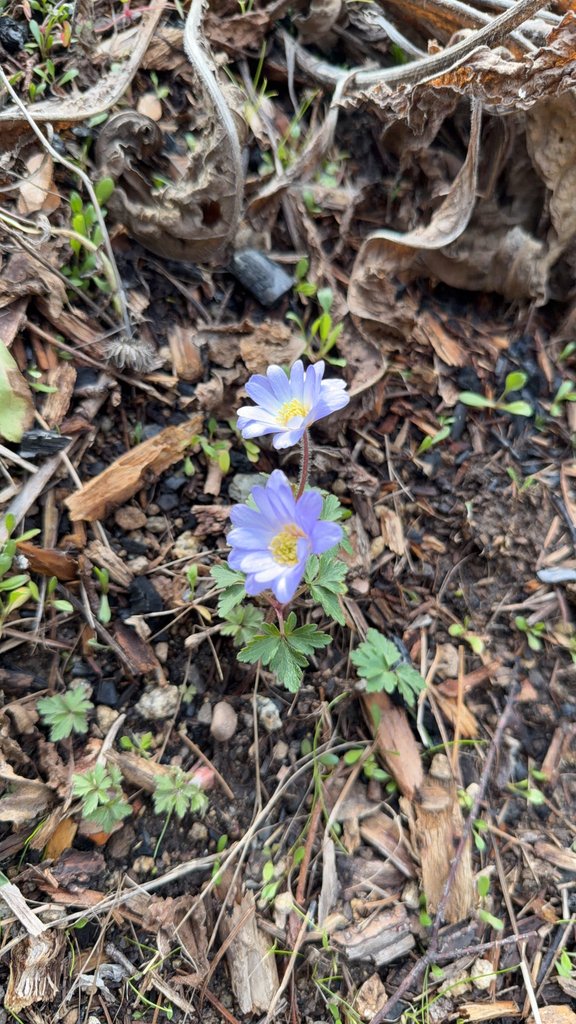
Greek Anemone
Anemonoides blanda
(Schott & Kotschy) Holub Species
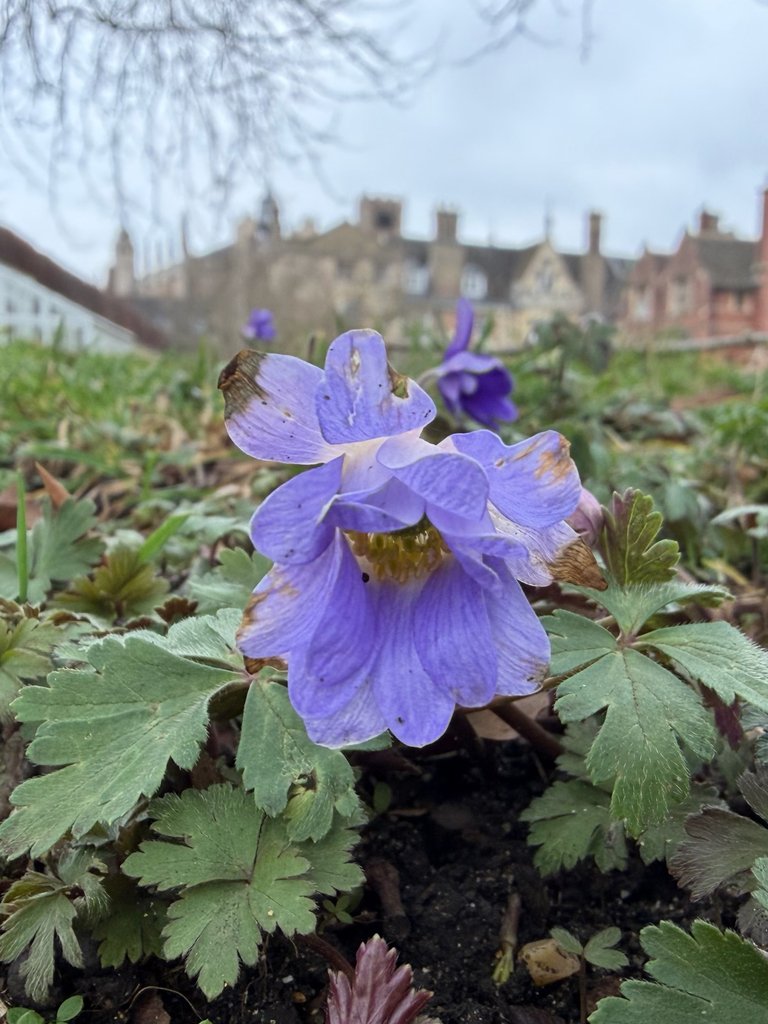

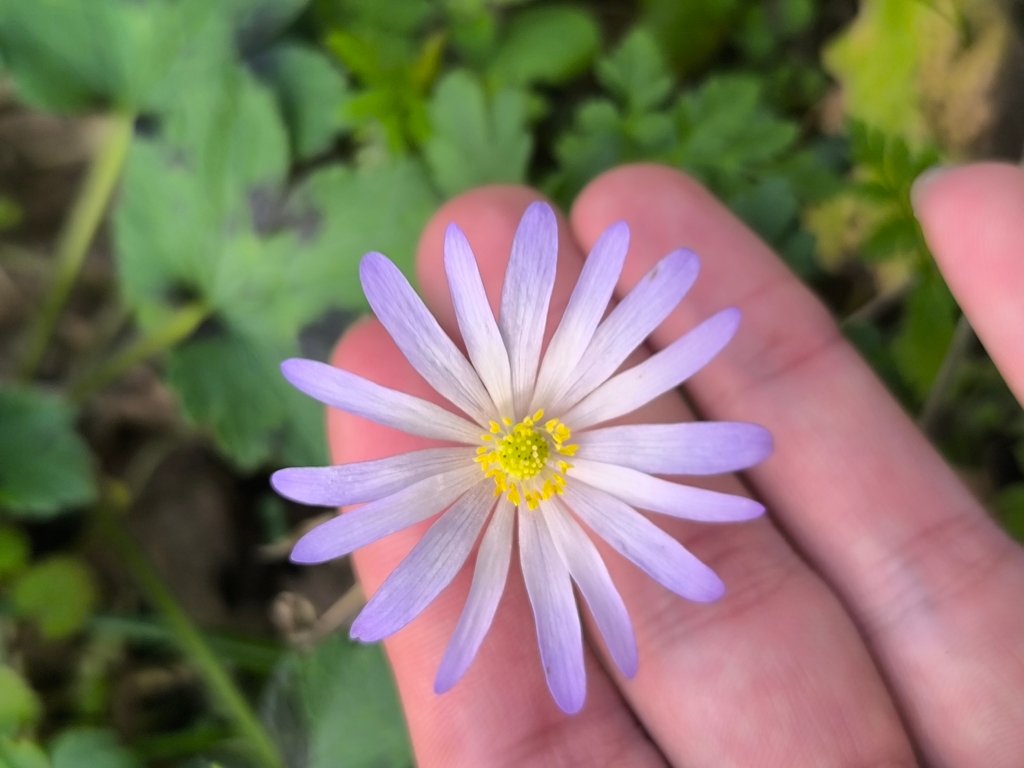
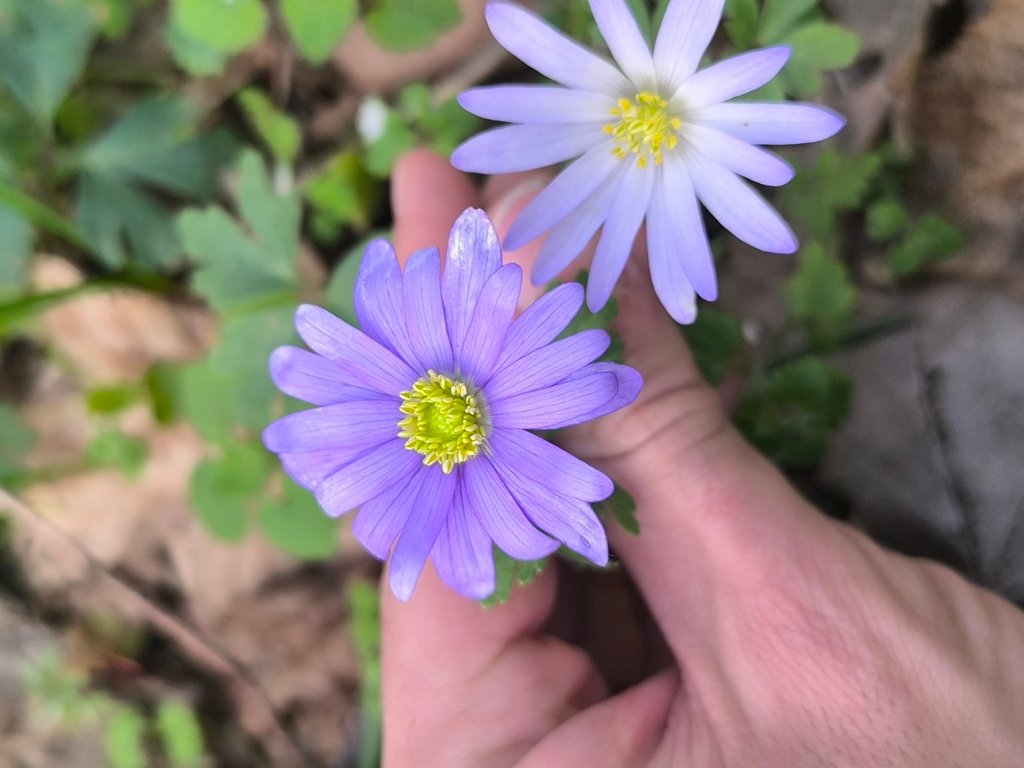
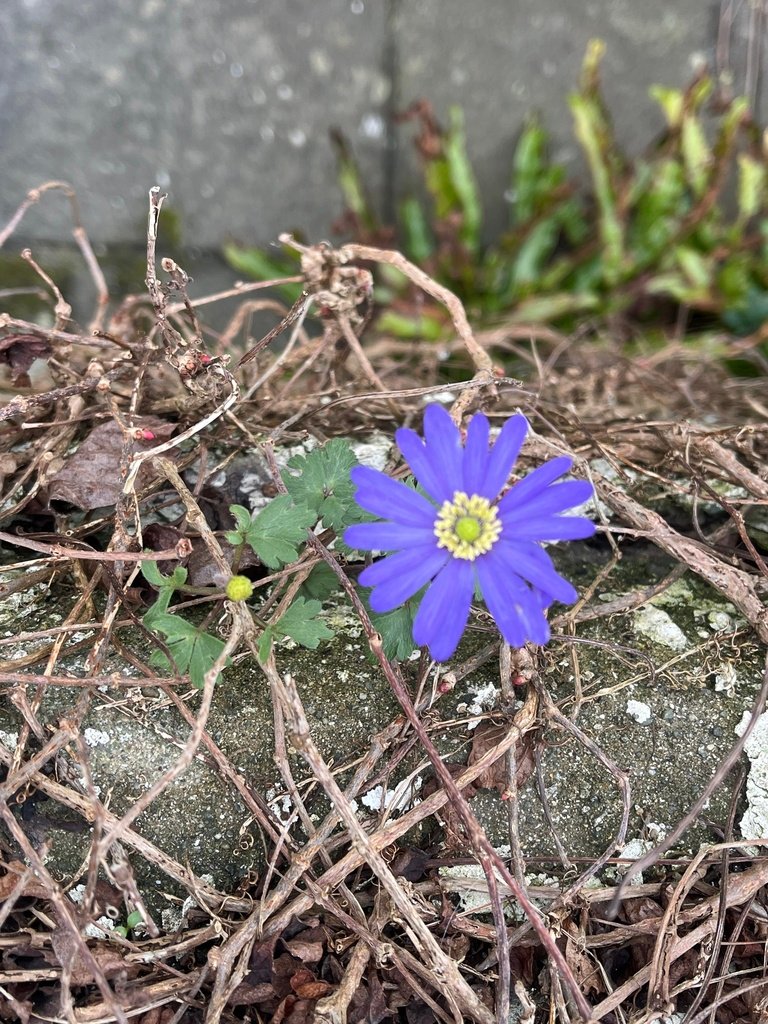
- Botanical name
- Anemonoides blanda
- Also known as
- Greek Anemone
- Family
- Ranunculaceae
- Genus
- Anemonoides
- Flowering period
- March to April
- Height
- 10–15 cm
- Spread
- 10–15 cm
- Hardiness
- Fully hardy (RHS H6)
- Reference
- World Flora Online
How to grow Greek Anemone
Full sun to dappled shade
Low; dry summer dormancy suits it
Well-drained soil; poor and light ground is fine
Neutral to alkaline
Planting
Plant the small knobbly tubers in autumn, about 5 cm deep. They are dry and shrivelled when bought and soaking them overnight before planting improves the strike rate noticeably. There is no obvious top or bottom — plant them on their side and they will sort themselves out.
Pruning
None. Let the foliage die back naturally in early summer; the plant is dormant from then until the following spring.
Propagation
It self-sows and colonises gently where happy, which is the usual way a patch increases. Congested tubers can be lifted and separated once dormant.
Pests and diseases
Few problems. Newly planted tubers are sometimes dug up by squirrels or eaten by mice.
Value to wildlife
The open daisy-like flowers give early pollen and nectar to bees and hoverflies in March, and open wide only in sun.
Notes
It is best naturalised in quantity under deciduous shrubs or in short grass, where the summer dormancy goes unnoticed. Expect a proportion of bought tubers to fail — planting generously is more effective than nursing individuals.
This guidance was researched and written by GardenDecoded — see our editorial policy for how guides are checked and reviewed.
Other names for this plant
These names have all been used for Anemonoides blanda but are no longer the accepted name. You may still meet them on old labels, in books, or in nursery catalogues.
Anemone apennina
Anemone apennina subsp. blanda
Anemone blanda
Others in Anemonoides
GardenDecoded is an educational gardening reference. Botanical data comes from World Flora Online and GBIF; growing guidance is our own. Always check a plant's toxicity and local invasiveness status before planting, and never eat or apply a plant based on this site alone.