Agapanthus caulescens subsp. caulescens
Blue Agapanthus
Agapanthus africanus
(L.) Hoffmanns. Species
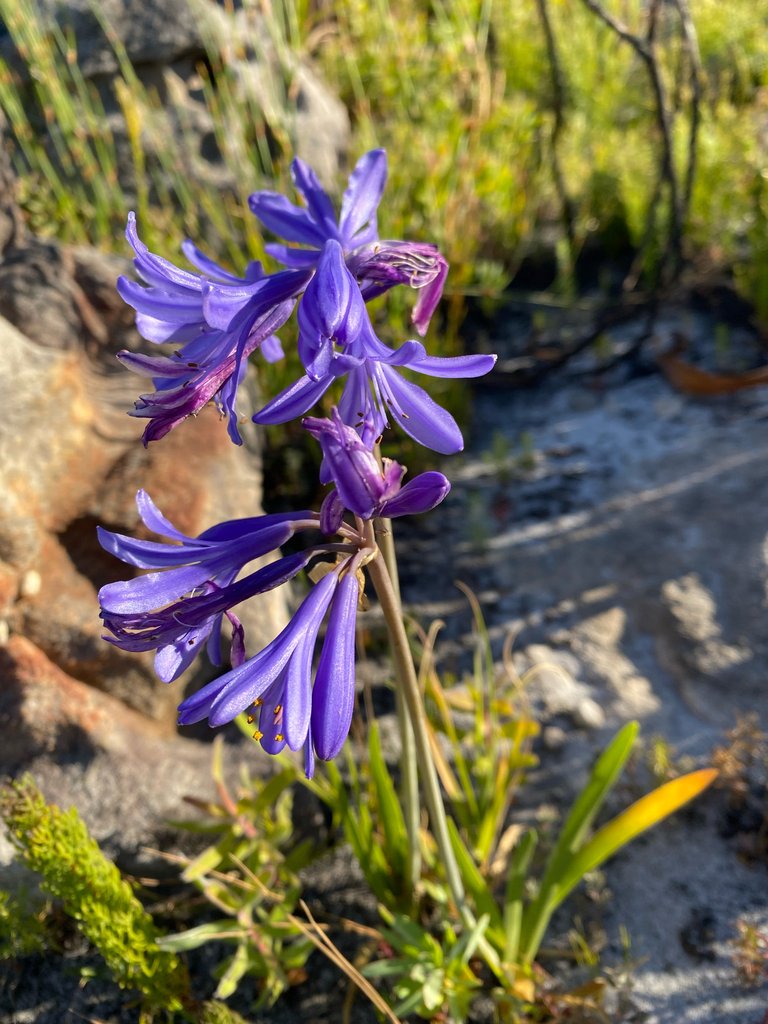
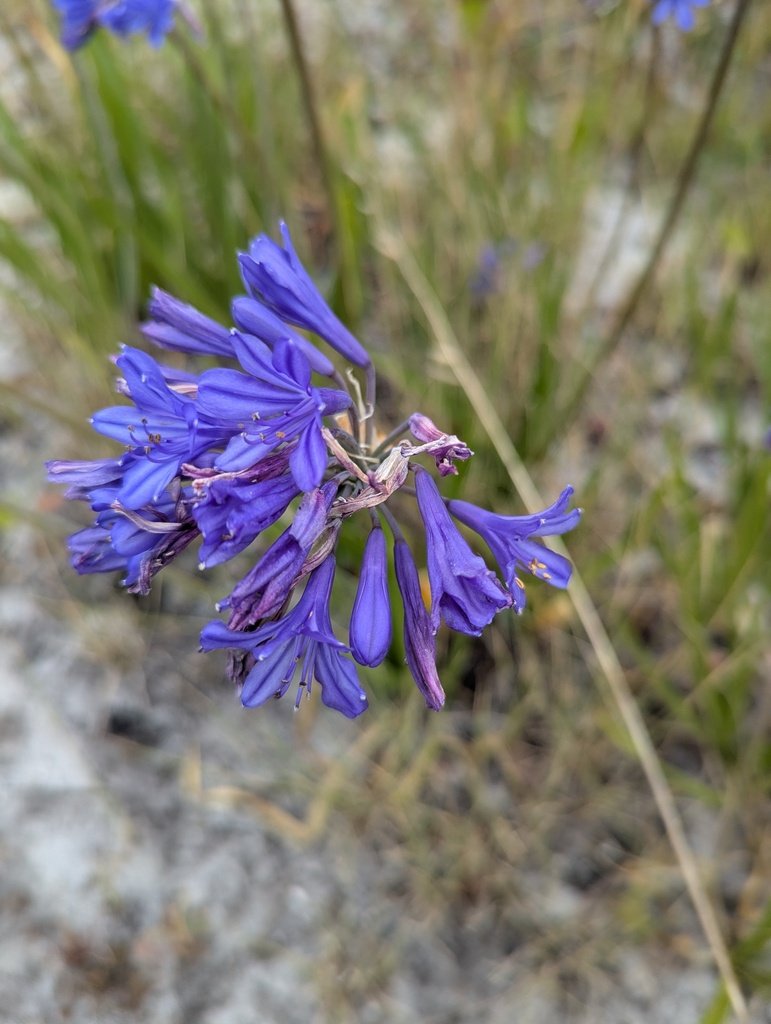
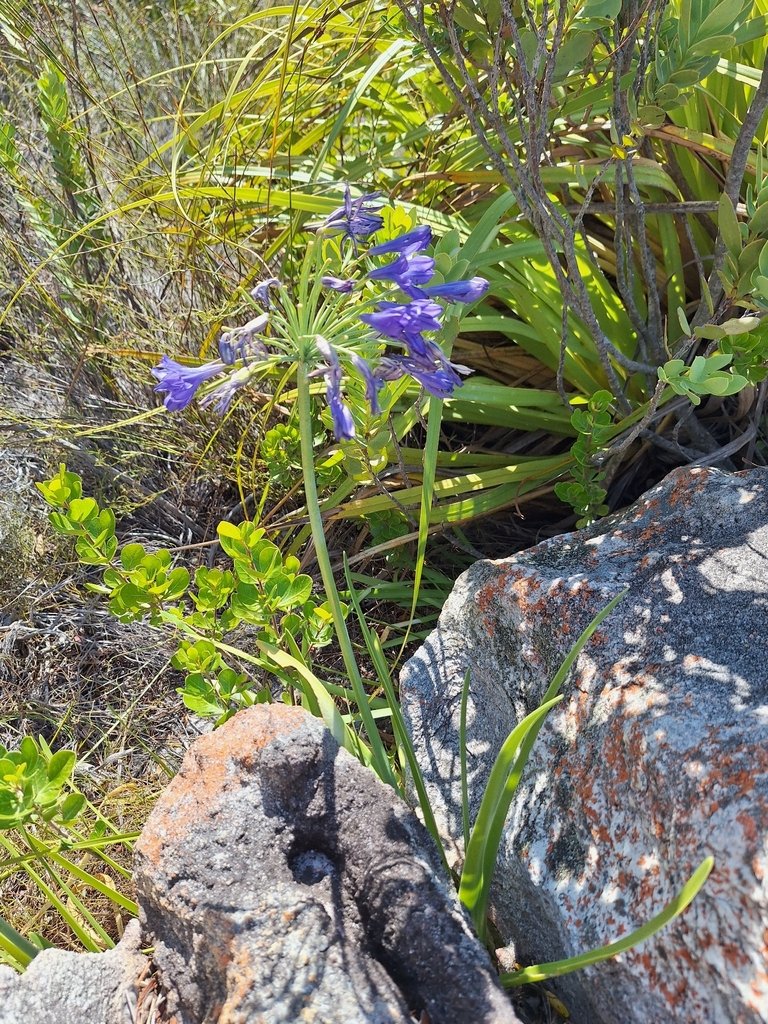
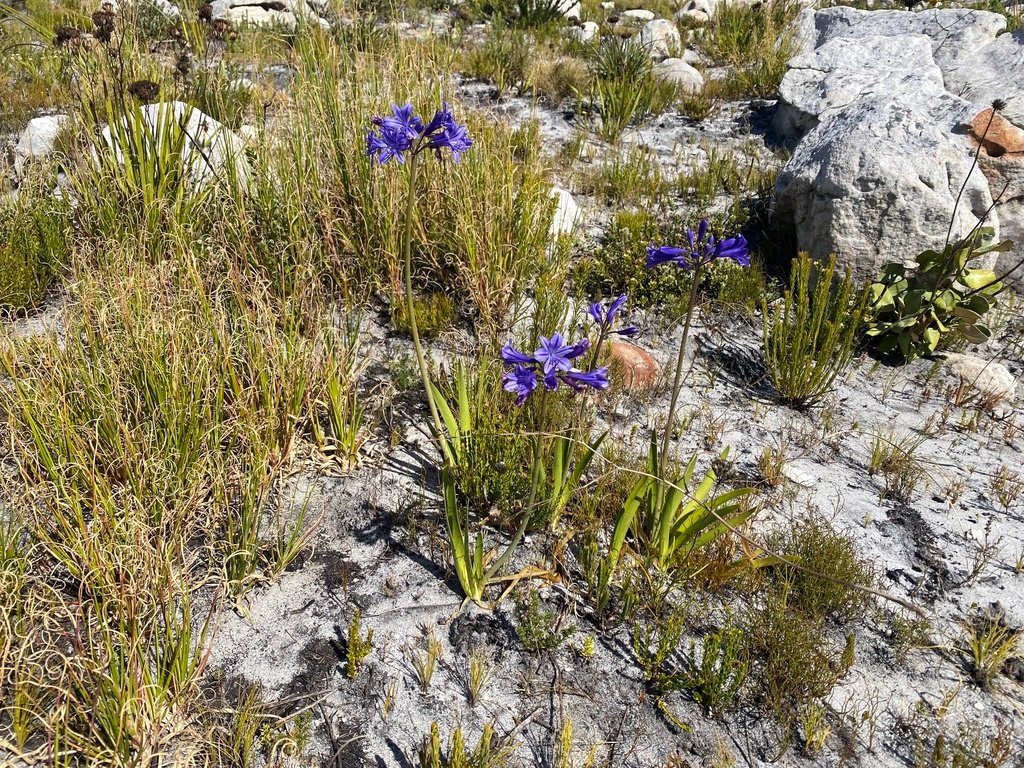
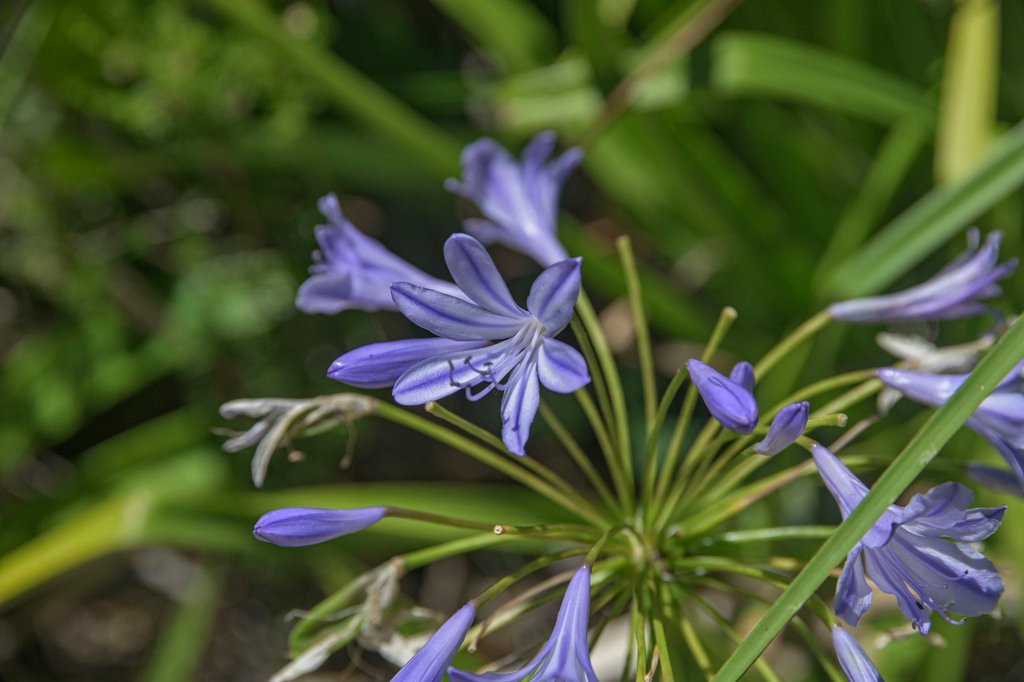
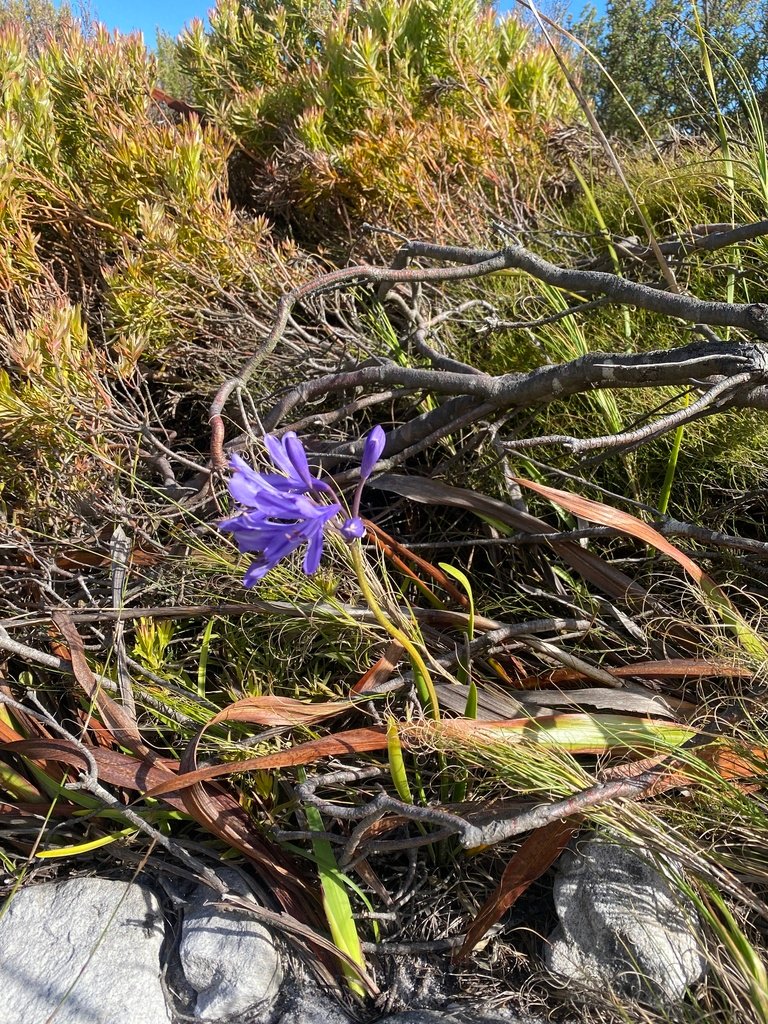
- Botanical name
- Agapanthus africanus
- Also known as
- African-Lily, Blue Agapanthus, Blue-Lily, Lily-of-the-Nile
- Family
- Amaryllidaceae
- Genus
- Agapanthus
- Flowering period
- July to September
- Height
- 60–100 cm
- Spread
- 45–60 cm
- Hardiness
- Half hardy (RHS H3)
- Reference
- World Flora Online
How to grow Blue Agapanthus
Full sun
Water freely in growth, sparingly in winter
Fertile, free-draining; loam-based compost in pots
Neutral to slightly acid
Planting
This is the evergreen species and it is noticeably less hardy than the deciduous hybrids most garden centres sell. In most of the UK it is best grown in a pot that can be moved under cover for winter, or planted at the foot of a warm south-facing wall in a mild area. Plant shallowly in spring.
Pruning
Cut flower stems off at the base once the heads fade, unless you want the seedheads for winter structure. Remove tatty evergreen leaves in spring rather than autumn, as the old foliage gives some frost protection.
Propagation
Divide congested clumps in spring, just as growth restarts. Divisions often sulk and may not flower for a season or two. Seed is slow and seedlings vary.
Pests and diseases
Slugs and snails on new spring growth. Plants kept too wet in winter are prone to rotting at the crown.
Value to wildlife
Bees work the individual florets in the flowerhead through late summer.
Notes
Agapanthus flower better when the roots are crowded, so resist repotting a pot-grown plant every year. The real risk in Britain is not cold alone but cold combined with wet, so keep winter compost on the dry side.
This guidance was researched and written by GardenDecoded — see our editorial policy for how guides are checked and reviewed.
Other names for this plant
These names have all been used for Agapanthus africanus but are no longer the accepted name. You may still meet them on old labels, in books, or in nursery catalogues.
Abumon africanum
Agapanthus minor
Agapanthus tuberosus
Agapanthus umbellatus
Crinum africanum
Crinum floridum
Mauhlia africana
Mauhlia linearis
Mauhlia umbellata
Tulbaghia africana
Tulbaghia africana var. heisteri
Tulbaghia heisteri
Tulbaghia minor
Others in Agapanthus
GardenDecoded is an educational gardening reference. Botanical data comes from World Flora Online and GBIF; growing guidance is our own. Always check a plant's toxicity and local invasiveness status before planting, and never eat or apply a plant based on this site alone.