Aesculus chinensis
Common Horsechestnut
Aesculus hippocastanum
L. Species
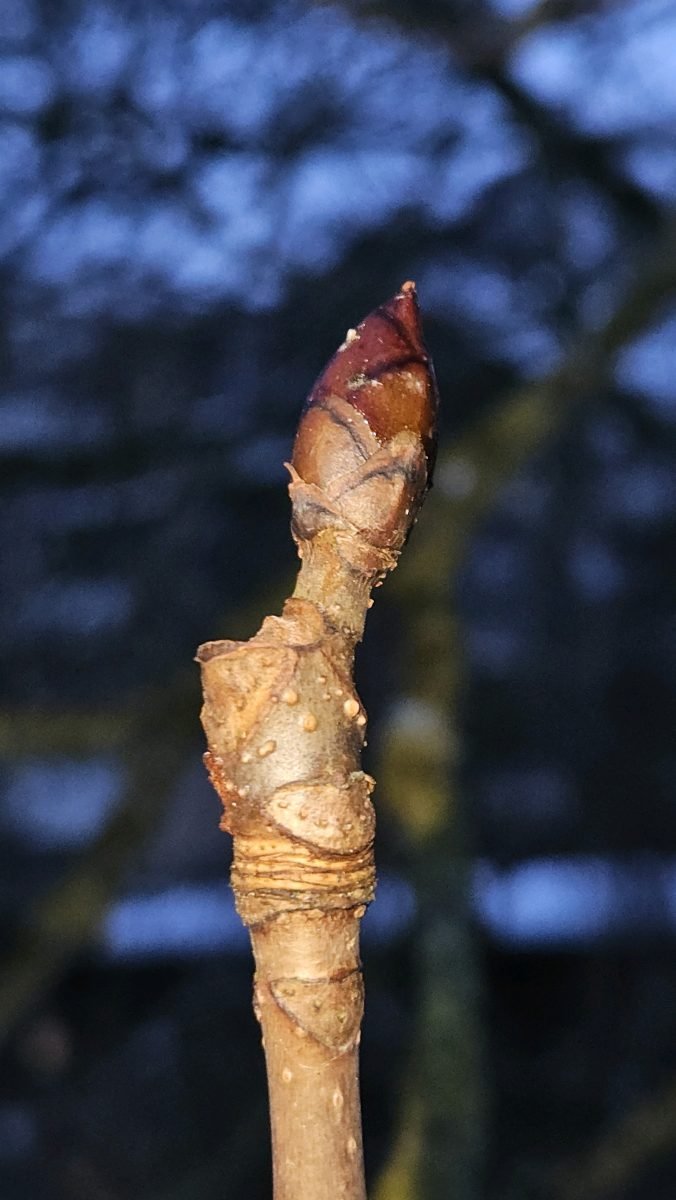


- Botanical name
- Aesculus hippocastanum
- Also known as
- Common Horse Chestnut, Common Horsechestnut, Conker-Tree, Horse Chestnut, Horse-Chestnut, Horsechestnut
- Family
- Sapindaceae
- Genus
- Aesculus
- Flowering period
- May
- Height
- 20–30 m
- Spread
- 15–20 m
- Hardiness
- Fully hardy (RHS H6)
- Reference
- World Flora Online
How to grow Common Horsechestnut
Full sun to partial shade
Low once established
Deep, fertile, moisture-retentive; dislikes thin dry soils
Acid, neutral or alkaline
Planting
A parkland tree, not a garden one. It needs a great deal of room and casts dense shade, so plant only where there is space for a broad mature crown well away from buildings and drains.
Pruning
Needs no routine pruning. Remove dead or damaged limbs in autumn or winter; mature specimens should be assessed by an arborist.
Propagation
Sow conkers fresh in autumn in deep pots outdoors. They lose viability quickly if allowed to dry out.
Pests and diseases
Horse chestnut leaf miner is now widespread and turns the foliage brown from midsummer; it looks alarming but rarely kills trees. Bleeding canker is more serious and causes dark weeping patches on the trunk and progressive dieback.
Value to wildlife
The candles are a heavy early nectar and pollen source for bumblebees. Conkers are eaten by deer and squirrels but by few native species.
Notes
Falling conkers and large heavy leaves make it a poor choice near parking, paths or ponds. Check the toxicity of the seeds before planting where children or pets have unsupervised access.
This guidance was researched and written by GardenDecoded — see our editorial policy for how guides are checked and reviewed.
Other names for this plant
These names have all been used for Aesculus hippocastanum but are no longer the accepted name. You may still meet them on old labels, in books, or in nursery catalogues.
Aesculus asplenifolia
Aesculus castanea
Aesculus hippocastanum f. beaumanii
Aesculus hippocastanum f. pendula
Aesculus hippocastanum var. argenteovariegata
Aesculus hippocastanum var. aureovariegata
Aesculus hippocastanum var. beaumanii
Aesculus hippocastanum var. flore-pleno
Aesculus hippocastanum var. incisa
Aesculus hippocastanum var. pendula
Aesculus hippocastanum var. variegata
Aesculus memmingeri
Aesculus procera
Aesculus septenata
Hippocastanum aesculus
Hippocastanum vulgare
Pawia hippocastanum
Others in Aesculus
GardenDecoded is an educational gardening reference. Botanical data comes from World Flora Online and GBIF; growing guidance is our own. Always check a plant's toxicity and local invasiveness status before planting, and never eat or apply a plant based on this site alone.