Aconitum × cammarum
Blue Rocket
Aconitum napellus
L. Species


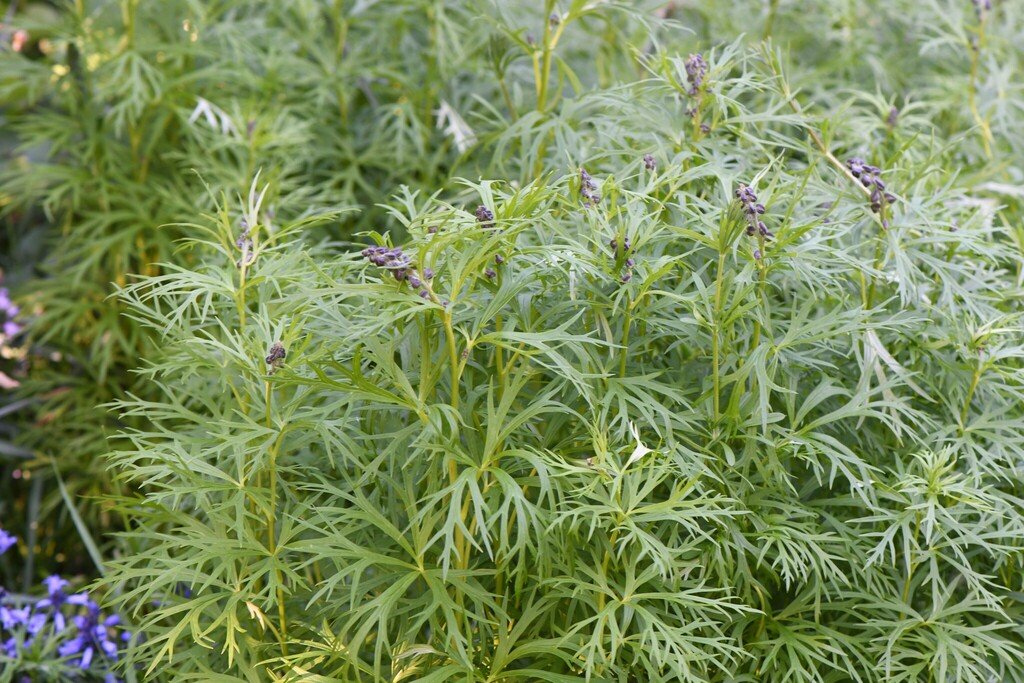


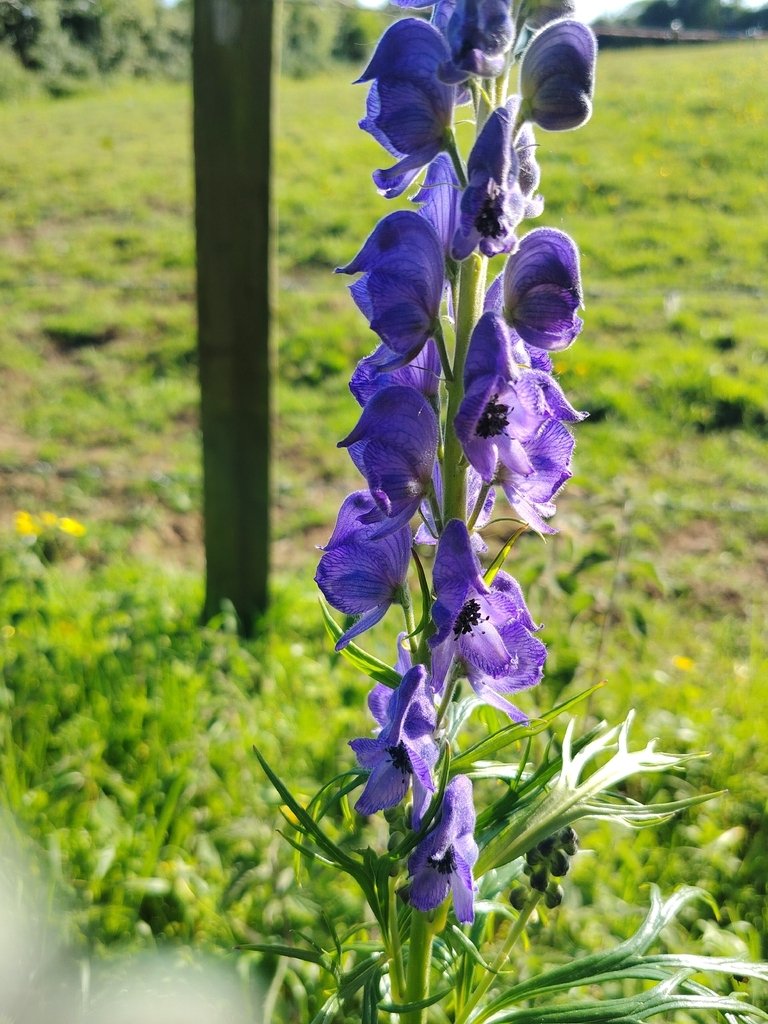
- Botanical name
- Aconitum napellus
- Also known as
- Aconite, Bear's-Foot, Blue Rocket, Friar's-Cap, Garden Monkshood, Garden Wolfsbane, Helmet-Flower, Monk's Hood, Monk's-Hood, Monkshood, Queen's Fettle, Soldier's-Cap, Turk's-Cap, Venus' Chariot
- Family
- Ranunculaceae
- Genus
- Aconitum
- Flowering period
- June to August
- Height
- 90–150 cm
- Spread
- 30–45 cm
- Hardiness
- Fully hardy (RHS H7)
- Reference
- World Flora Online
How to grow Blue Rocket
Partial shade to full sun
Moderate; dislikes drying out
Moist, fertile, well-drained
Acid, neutral or alkaline
Planting
Plant in autumn or spring in ground that stays reliably moist through summer. It takes more shade than most tall perennials, which makes it useful at the back of a north-facing or woodland-edge border. Mulch after planting to hold moisture.
Pruning
Cut flowered stems down after blooming to tidy the plant, or leave them if you want seed. Remove all top growth once it dies back in late autumn. Tall stems in exposed positions benefit from staking early in the season.
Propagation
Divide the tuberous roots in late autumn or early spring, wearing gloves. Division is best done every three or four years. Seed is possible but slow, and germination is erratic without a cold period.
Pests and diseases
Powdery mildew in dry summers, and slugs on emerging spring shoots. Aphids can build up on flowering spikes.
Value to wildlife
The hooded flowers are worked mainly by bumblebees, which are strong enough to force their way in, and it flowers at a useful point in mid summer.
Notes
Every part of this plant is well known to be poisonous, including the roots. Check its toxicity information before planting anywhere children or pets have access, wear gloves when dividing or handling the roots, and wash your hands afterwards.
This guidance was researched and written by GardenDecoded — see our editorial policy for how guides are checked and reviewed.
Other names for this plant
These names have all been used for Aconitum napellus but are no longer the accepted name. You may still meet them on old labels, in books, or in nursery catalogues.
Aconitum ampliflorum
Aconitum anglicum
Aconitum confertum
Aconitum fornicatum
Aconitum funckii
Aconitum grandiflorum
Aconitum halleri
Aconitum microstachyum
Aconitum napellus var. paniculatum
Aconitum neubergense
Aconitum occidentale var. splendens
Aconitum spicatum
Aconitum venustum
Aconitum willdenowii
Delphinium napellus
Napellus vulgaris
Others in Aconitum
GardenDecoded is an educational gardening reference. Botanical data comes from World Flora Online and GBIF; growing guidance is our own. Always check a plant's toxicity and local invasiveness status before planting, and never eat or apply a plant based on this site alone.