Achillea × obscura
Common Yarrow
Achillea millefolium
L. Species


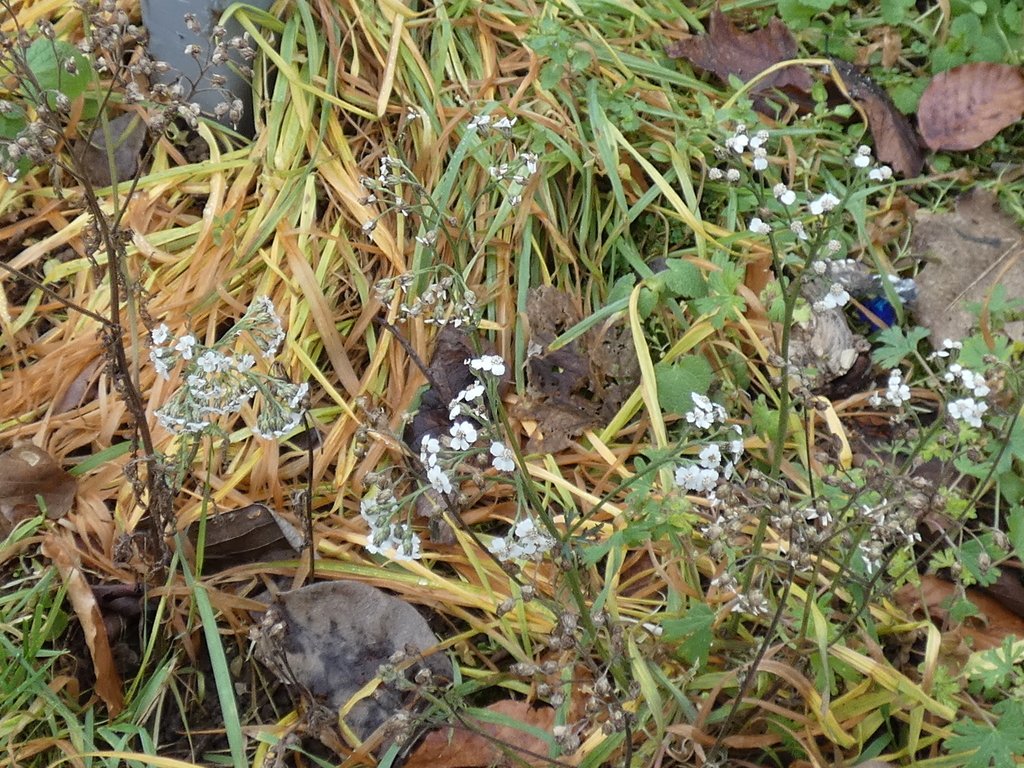

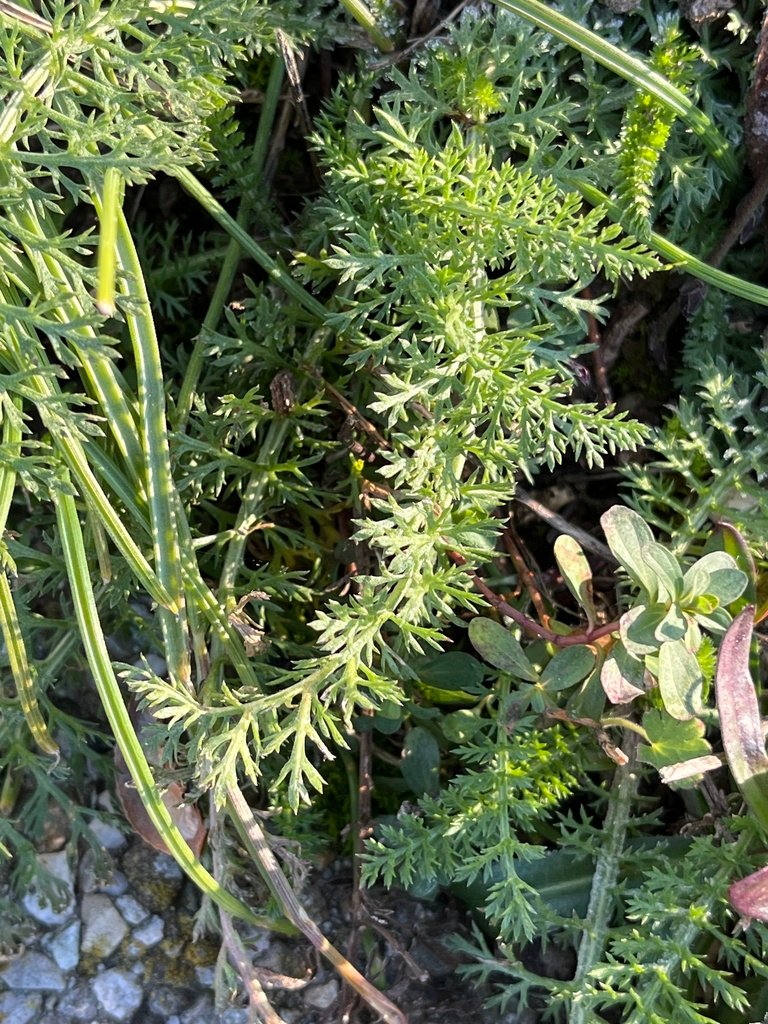

- Botanical name
- Achillea millefolium
- Also known as
- Bloodwort, Carpenter's Weed, Common Yarrow, Milenrama, Milfoil, Nose Bleed, Sanguinary, Thousand Seal, Western Yarrow, Yarrow, Yarrow, Milfoil
- Family
- Asteraceae
- Genus
- Achillea
- Flowering period
- June to September
- Height
- 45–75 cm
- Spread
- 45–60 cm
- Hardiness
- Fully hardy (RHS H7)
- Reference
- World Flora Online
How to grow Common Yarrow
Full sun
Low once established; drought tolerant
Poor to moderately fertile, free-draining
Acid, neutral or alkaline
Planting
Plant in spring or autumn in an open, sunny position. It runs at the root and will spread steadily in good soil, so give it room or plant it where a spreading clump is welcome. Rich soil produces soft growth that flops, so do not improve the ground before planting.
Pruning
Deadhead spent flowerheads through summer to keep flowering going. Cut the whole plant back to a basal rosette in late autumn or leave the seedheads standing over winter and tidy in early spring. Taller garden forms usually need support if grown in fertile soil.
Propagation
Divide clumps in spring or autumn every two to three years; this also keeps the plant vigorous. Basal cuttings taken in spring root readily. Seed of the wild species germinates easily but named garden forms will not come true.
Pests and diseases
Generally trouble-free. Powdery mildew can appear in a dry summer, and aphids sometimes gather on flowering stems.
Value to wildlife
The flat flowerheads are easy landing platforms and draw hoverflies, small solitary bees and beetles over a long season. Leaving the stems standing gives overwintering insects somewhere to shelter.
Notes
This is a tough meadow plant that does badly with kindness. Keep it lean, sunny and unfed, and divide it before the centre of the clump goes bare.
Some structured details on this page (such as tolerances, pH and hardiness) come from USDA PLANTS Database (public domain). The written guidance is GardenDecoded's own, researched as described in our editorial policy.
Toxicity
USDA PLANTS rates this species as having slight toxicity. Keep it away from children and animals, wash your hands after handling it, and seek medical or veterinary advice immediately if any part is eaten.
Source: USDA PLANTS Database (public domain) — always confirm with an authoritative source before acting on it.
Other names for this plant
These names have all been used for Achillea millefolium but are no longer the accepted name. You may still meet them on old labels, in books, or in nursery catalogues.
Achillea albida
Achillea alpicola
Achillea ambigua
Achillea anethifolia
Achillea arenicola
Achillea bicolor
Achillea borealis f. borealis
Achillea borealis subsp. arenicola
Achillea borealis subsp. borealis
Achillea borealis subsp. californica
Achillea borealis var. arenicola
Achillea borealis var. borealis
Achillea borealis var. californica
Achillea californica
Achillea coronopifolia
Achillea crassifolia
Achillea cristata
Achillea cuspidata
Achillea dentifera
Achillea dentifera
Achillea gigantea
Achillea haenkeana
Achillea intermedia
Achillea lanata
Achillea lanulosa f. lanulosa
Achillea lanulosa f. peroutkyi
Achillea lanulosa f. rubicunda
Achillea lanulosa subsp. alpicola
Achillea lanulosa subsp. lanulosa
Achillea lanulosa subsp. megacephala
Achillea lanulosa subsp. typica
Achillea lanulosa var. alpicola
Achillea lanulosa var. lanulosa
Achillea laxiflora
Achillea laxiflora
Achillea magna
Achillea magna
Achillea magna var. magna
Achillea marginata
Achillea megacephala
Achillea millefolium f. albiflora
Achillea millefolium f. californica
Achillea millefolium f. iserana
Achillea millefolium f. millefolium
Achillea millefolium f. pseudopannonica
Achillea millefolium f. rosea
Achillea millefolium f. roseoides
Achillea millefolium f. rubicunda
Achillea millefolium subsp. asplenifolia
Achillea millefolium subsp. lanulosa
Achillea millefolium subsp. millefolium
Achillea millefolium subsp. occidentalis
Achillea millefolium var. alpicola
Achillea millefolium var. arenicola
Achillea millefolium var. arenicola
Achillea millefolium var. aspleniifolia
Achillea millefolium var. borealis
Achillea millefolium var. californica
Achillea millefolium var. colliniformis
Achillea millefolium var. dipetala
Others in Achillea
GardenDecoded is an educational gardening reference. Botanical data comes from World Flora Online and GBIF; growing guidance is our own. Always check a plant's toxicity and local invasiveness status before planting, and never eat or apply a plant based on this site alone.